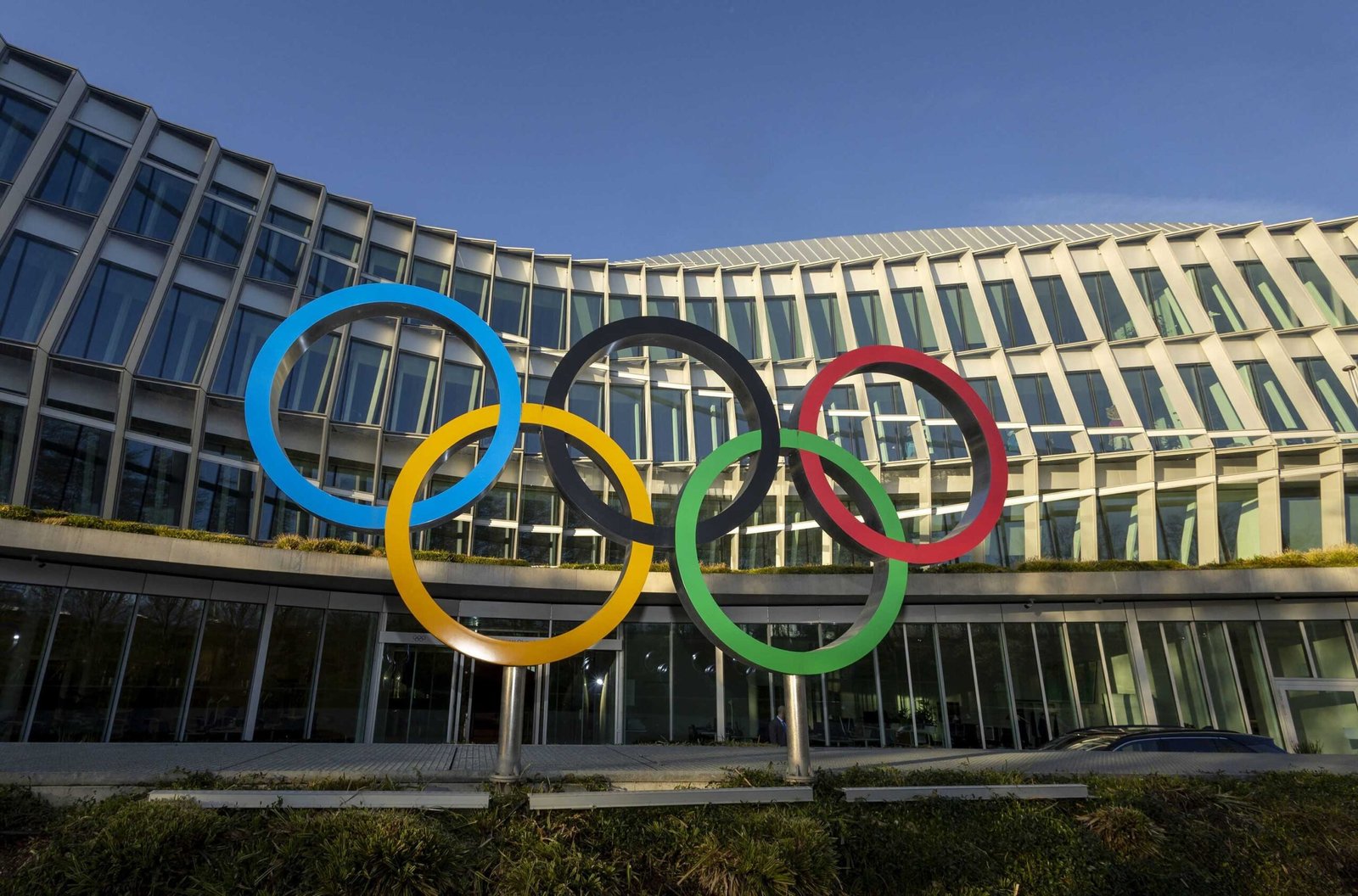
The International Olympic Committee (IOC) has introduced a new eligibility policy that will restrict participation in the female category at Olympic events to biological females. The rule, announced Thursday, will take effect at the Los Angeles 2028 Games and apply across all sports disciplines. It will not be retroactive, meaning past competitions remain unaffected.
The IOC explained that eligibility will be determined through screening for the SRY gene, a marker of male sex development typically found on the Y chromosome. According to the committee, the presence of the gene is fixed throughout life and provides highly accurate evidence of male sex development. Testing will be conducted through saliva, cheek swab, or blood samples, methods the IOC described as less intrusive than other alternatives. Athletes who test negative for the gene will permanently qualify for the female category, with testing required only once.
Exceptions will apply in rare cases. Athletes diagnosed with Complete Androgen Insensitivity Syndrome (CAIS) or certain differences in sex development (DSDs) that do not confer performance advantages may still compete in the female category despite testing positive for the SRY gene. Otherwise, athletes with positive results will be ineligible for female events but may participate in male, mixed, or open categories.
IOC President Kirsty Coventry emphasized that the decision was based on scientific evidence and aimed at ensuring fairness and safety. She noted that even small performance margins can determine Olympic outcomes, making it unfair for biological males to compete against females. Coventry also highlighted safety concerns in certain sports and stressed that athletes must be treated with dignity. She said the single test would be accompanied by counselling and education to support athletes through the process.
The policy followed a two-year review conducted between September 2024 and March 2026. The working group consulted scientists, medical experts, legal specialists, sports federations, and athletes worldwide. The review concluded that male sex provides performance advantages in sports dependent on strength, power, and endurance. The group recommended eligibility rules based on biological sex to protect fairness and safety in female competition. The IOC reported a strong consensus that safeguarding the female category was a shared priority.
This new framework replaces earlier guidance on gender identity and sex variations in sport. It will apply only to IOC events, including the Olympic Games, but international federations and national Olympic committees are expected to adopt similar rules. The IOC clarified that the policy does not extend to grassroots or recreational sports programmes, focusing instead on elite competition where fairness and safety are most critical.
The announcement marks a significant shift in Olympic policy, reflecting ongoing debates about gender, biology, and fairness in sport. By setting clear eligibility criteria, the IOC aims to provide certainty for athletes and federations ahead of the Los Angeles Games. While the decision is likely to generate discussion, the committee insists it is grounded in science and designed to uphold the integrity of female competition at the highest level.