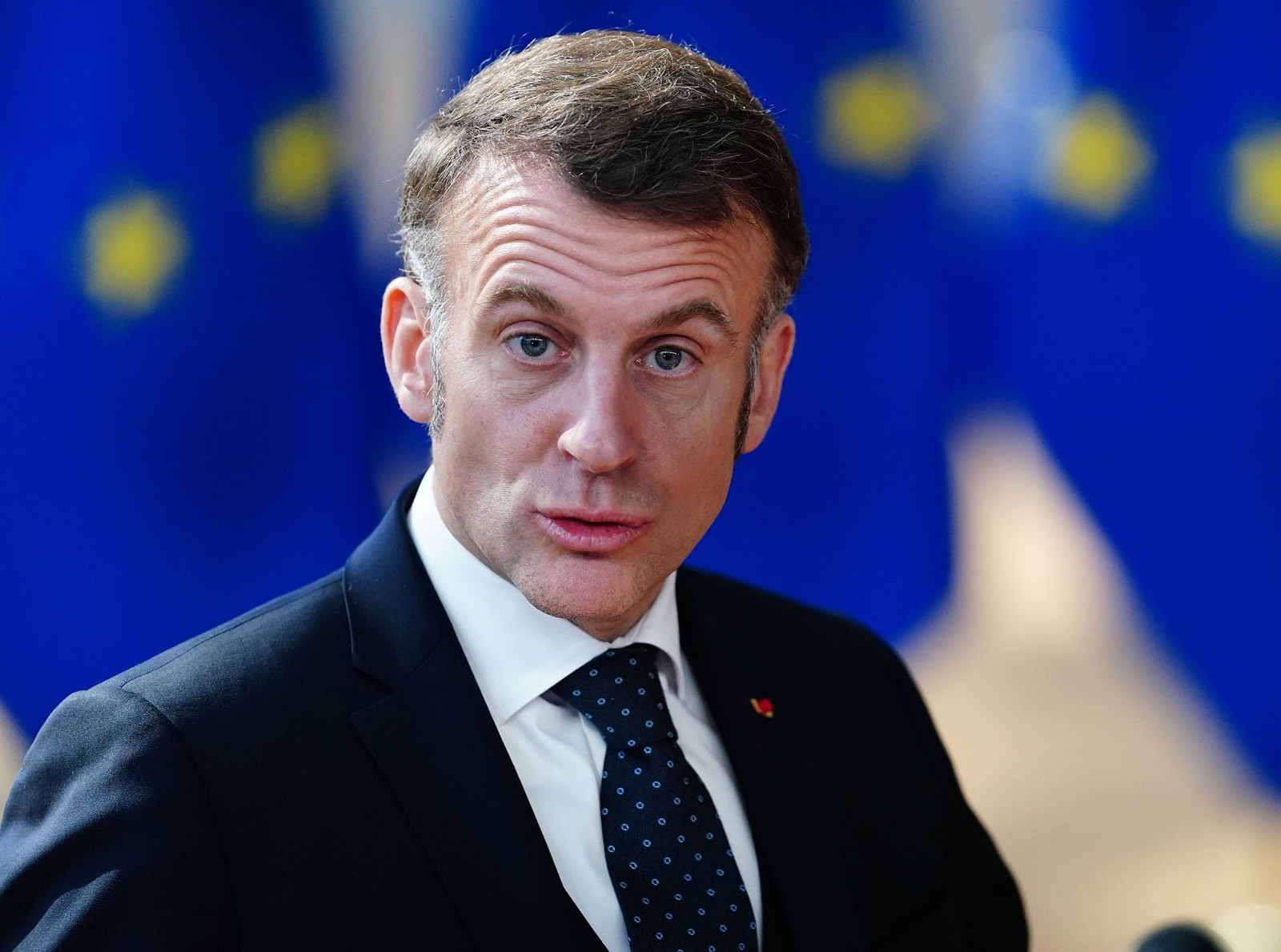
French President Emmanuel Macron, during his visit to Tokyo, clarified France’s position on the ongoing conflict involving Iran, the United States, and Israel. Speaking in an interview with Japanese broadcaster NHK, Macron stressed that France had not been consulted on the military offensive and was not participating in it.
His remarks came after U.S. President Donald Trump criticized France for imposing an overflight ban on planes carrying military supplies for the conflict. Macron responded firmly, stating that France’s stance had been consistent from the beginning. “It is absolutely true that France, which has not been consulted and is not part of this military offensive launched by the United States and Israel, is not taking part in it,” he said.
By distancing France from the military campaign, Macron underscored his government’s commitment to maintaining independence in foreign policy decisions. He emphasized that France’s position was not shaped by external pressure but by its own assessment of the situation.
The French leader’s comments highlight broader tensions among Western allies over the handling of the conflict. While the United States and Israel have taken direct military action, France has opted for a non-participatory role, signaling caution and a preference for diplomatic engagement. Macron’s statement also reflects France’s longstanding approach of balancing alliances with independent decision-making, particularly in matters of war and peace.
Observers note that Macron’s remarks serve two purposes: reaffirming France’s sovereignty in foreign policy and addressing criticism from Washington. By making clear that France was neither consulted nor involved, he sought to dispel any perception of complicity in the offensive.
The timing of Macron’s comments, delivered during an international visit, also underscores his intent to project France’s position to a global audience. His emphasis on consistency—“since day one”—suggests that France will continue to avoid direct involvement in the conflict while monitoring developments closely.
In essence, Macron’s intervention shifts the narrative from U.S. criticism of France’s overflight ban to France’s broader principle of non-engagement in the military offensive. It highlights the divergence in strategies among allies and reinforces France’s role as an independent actor in international affairs.