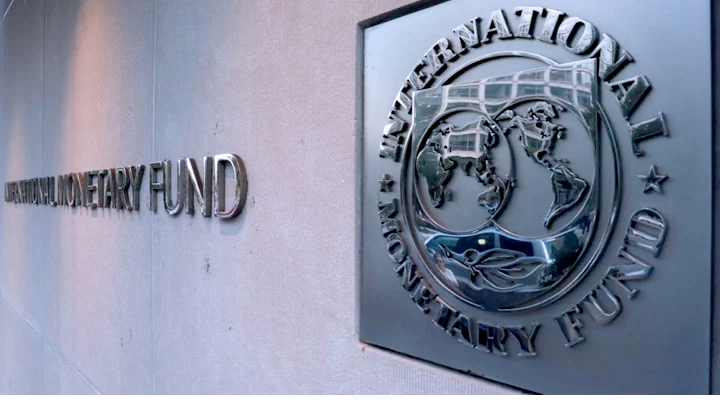
The International Monetary Fund (IMF) has reached a staff-level agreement with Rwanda to launch a $250 million program aimed at supporting economic reforms. The initiative, set to run for 38 months under the Extended Credit Facility (ECF), still requires approval from the IMF’s Executive Board, which is expected to review the proposal in June.
According to IMF mission chief Touna Mama, the program is designed to maintain reform momentum, strengthen macroeconomic stability, and rebuild policy buffers. It also seeks to help Rwanda manage the economic fallout from the ongoing war in the Middle East. The plan focuses on three priorities: improving macroeconomic policy, addressing fiscal and debt risks, and promoting private sector growth.
Rwanda’s economy recorded robust growth of 9.4 percent in 2025. However, the IMF projects a slowdown to 6.8 percent in 2026, citing the regional conflict as a key factor weighing on the outlook. Rising energy prices and disrupted supply chains have created new challenges for the country. Inflation remains a concern, with consumer prices increasing by 9.2 percent year-on-year in 2025.
The war, which began on February 28 when the United States and Israel launched military action against Iran, has destabilized the Middle East and triggered global economic repercussions. Supply chain disruptions and surging energy costs are particularly affecting low-income countries. Earlier this week, the IMF warned that nations in Africa and Asia could face severe consequences if the conflict continues.
The new program represents an effort to shield Rwanda’s economy from external shocks while advancing domestic reforms. If approved, the ECF arrangement will provide financial support and policy guidance to help the government sustain growth, manage debt responsibly, and encourage private investment. The IMF emphasized that the program is not only about immediate stabilization but also about building resilience for the future.
This agreement highlights Rwanda’s commitment to reform and the IMF’s role in supporting vulnerable economies during global crises.