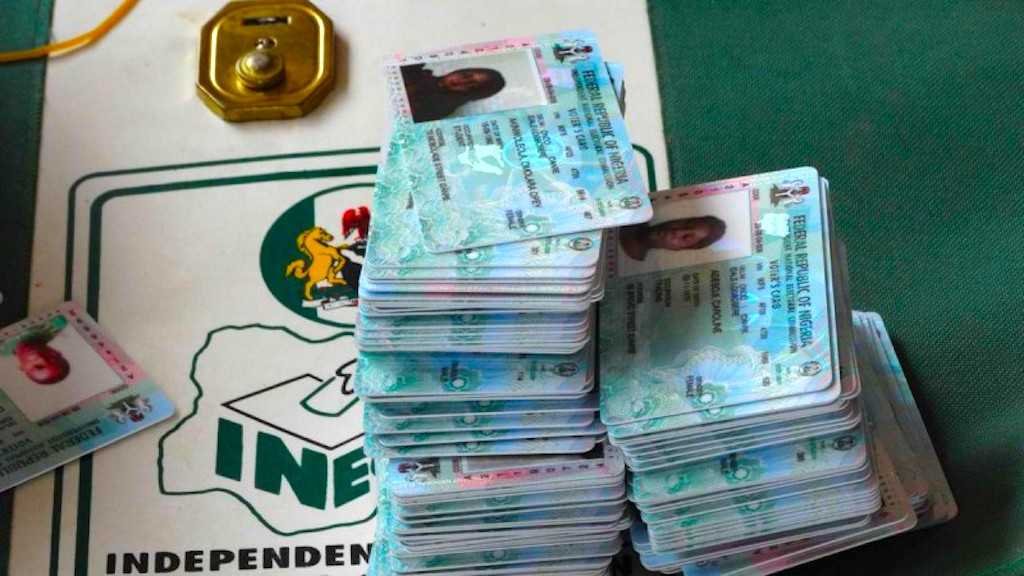
Nigeria’s Independent National Electoral Commission (INEC) faces mounting criticism over its planned voter revalidation exercise. Political parties, civil society groups, and pro-democracy movements warn that the initiative could disenfranchise millions and erode public trust in the electoral system.
INEC announced that the exercise would run nationwide from April 13 to May 29, 2026. The commission said the goal is to clean the voter register by removing ineligible entries, including deceased persons, underage registrants, non-Nigerians, and duplicate records. It clarified that the process is not fresh registration but applies to voters registered between 2011 and 2024. INEC argued that the measure is necessary to strengthen the integrity and credibility of the national register ahead of the 2027 general elections.
Despite these assurances, opposition parties and civic groups remain unconvinced. The African Democratic Congress (ADC), Peoples Democratic Party (PDP), and the Obidient movement all raised concerns about timing, logistics, and accessibility. ADC spokesman Bolaji Abdullahi warned that rural dwellers would struggle to participate due to limited awareness and poor infrastructure. He questioned how villagers with little access to technology or financial resources could be expected to validate their records months before the polls.
PDP Publicity Secretary Ini Ememobong described the exercise as ill-timed and politically motivated. He argued that INEC should focus on improving electoral logistics rather than introducing a burdensome process close to the elections. Ememobong noted that many Nigerians lack mandatory identification numbers required for revalidation, making participation difficult. He accused the commission of pursuing measures that could suppress voter turnout and benefit the ruling party.
The Obidient movement’s National Coordinator, Yunusa Tanko, echoed these concerns. He said the revalidation plan risks discouraging voters and undermining confidence in the electoral process. Tanko argued that such an exercise should have been designed as a long-term, continuous program rather than a rushed initiative.
He suggested that the timing indicates political manipulation aimed at reducing opposition participation.
Civil society organisations also voiced strong objections. The Centre for Anti-Corruption and Open Leadership described the exercise as unnecessary, noting that the Permanent Voter Card system already accommodates lost or damaged cards without requiring revalidation. Activists warned that the plan could further widen the gap between registered voters and actual turnout, which has been a persistent challenge in Nigeria’s elections.
Former INEC Director of Voter Education, Oluwole Uzzi, acknowledged that the commission has the legal authority to conduct revalidation. However, he cautioned that the timing raises serious concerns. Uzzi stressed the importance of broader consultation with political stakeholders to avoid eroding trust. He noted that while cleaning the register is legitimate, implementing such a process less than a year before national elections risks destabilising preparations.
The controversy intensified after INEC issued a directive on April 4, 2026, suspending preparations for the exercise. In a letter signed by Secretary Rose Oriaran-Anthony, the commission instructed Resident Electoral Commissioners (RECs) to halt publicity and logistical arrangements. A scheduled physical meeting with RECs was also shifted to a virtual format. INEC said further directives would follow, leaving the future of the exercise uncertain.
Opposition figures welcomed the suspension but insisted that the plan should be abandoned entirely. They argued that revalidation at this stage would disenfranchise millions, particularly those in rural areas or without access to identification documents. Critics urged INEC to focus on building public confidence and improving election logistics rather than introducing measures that could reduce participation.
The debate highlights the tension between electoral integrity and voter accessibility. While INEC insists the exercise is necessary to strengthen the credibility of the register, political parties and civil groups see it as a threat to democratic participation. With less than nine months to the 2027 elections, the controversy underscores the urgent need for consensus on reforms that balance transparency with inclusivity.