The Dangote Group has denied a viral social media post alleging that President Bola Ahmed Tinubu’s administration collects revenue from every bag of cement sold in Nigeria. The claim, attributed to Aliko Dangote, suggested that the government takes N6,240 from each bag, equating to “52k from every N1 on cement.”
On Wednesday, the company responded by sharing a screenshot of the post on X, branding it “Fake.” No further details were provided. The rebuttal comes amid rising concerns over misinformation online, particularly the misuse of AI-generated content to spread political narratives.
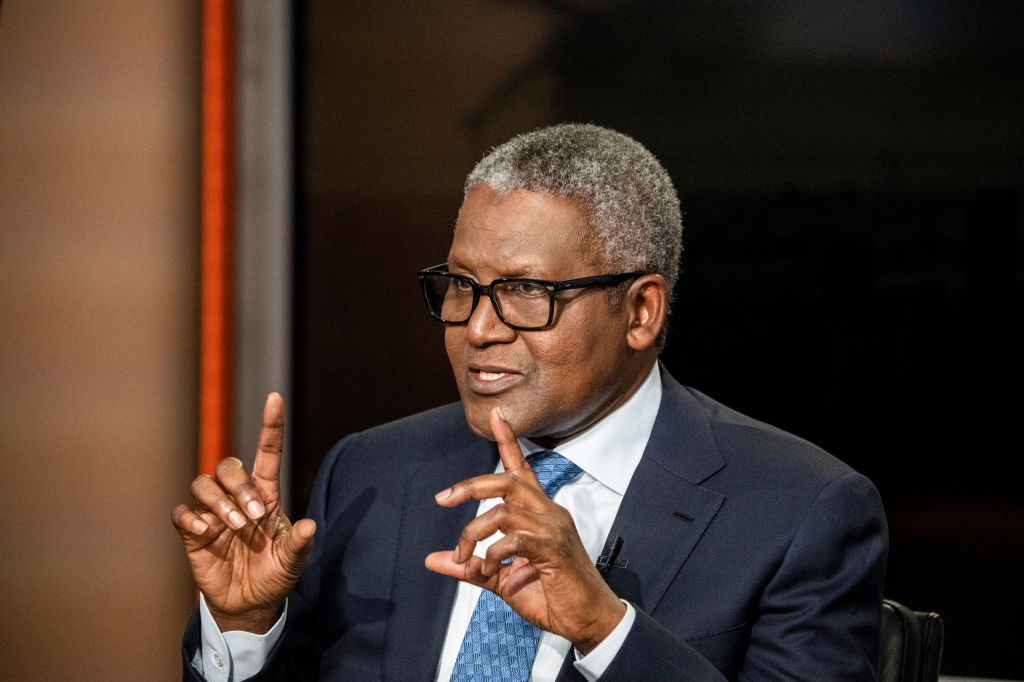
While dismissing the false claim, Dangote also made headlines internationally. TIME Magazine released its 2026 TIME100 list of the world’s most influential people, naming Aliko Dangote among the honorees. He is the only Nigerian featured this year and appears in the “Titans” category, alongside global leaders such as U.S. President Donald Trump, Chinese President Xi Jinping, Israeli Prime Minister Benjamin Netanyahu, Canadian Prime Minister Mark Carney, and Pope Leo XIV.
This marks Dangote’s second recognition by TIME, following his inclusion in 2014. The magazine praised his role in driving industrialisation across Africa through investments in cement, agriculture, food processing, infrastructure, and energy. TIME highlighted his commitment to building globally competitive industries using local resources, positioning him as a key figure in shaping Africa’s economic future.
Dangote’s dual presence in the news underscores both the challenges and opportunities facing prominent business leaders in Nigeria. On one hand, they must contend with misinformation campaigns that can distort public perception. On the other, their influence continues to be acknowledged on the global stage.
The Dangote Group’s swift dismissal of the cement revenue claim reflects its effort to protect corporate credibility and counter misleading narratives. At the same time, Aliko Dangote’s recognition by TIME reinforces his standing as a transformative figure in global business.
Together, these developments highlight the intersection of local controversies and international acclaim, illustrating how Nigeria’s most prominent industrialist remains central to both national debates and global recognition.