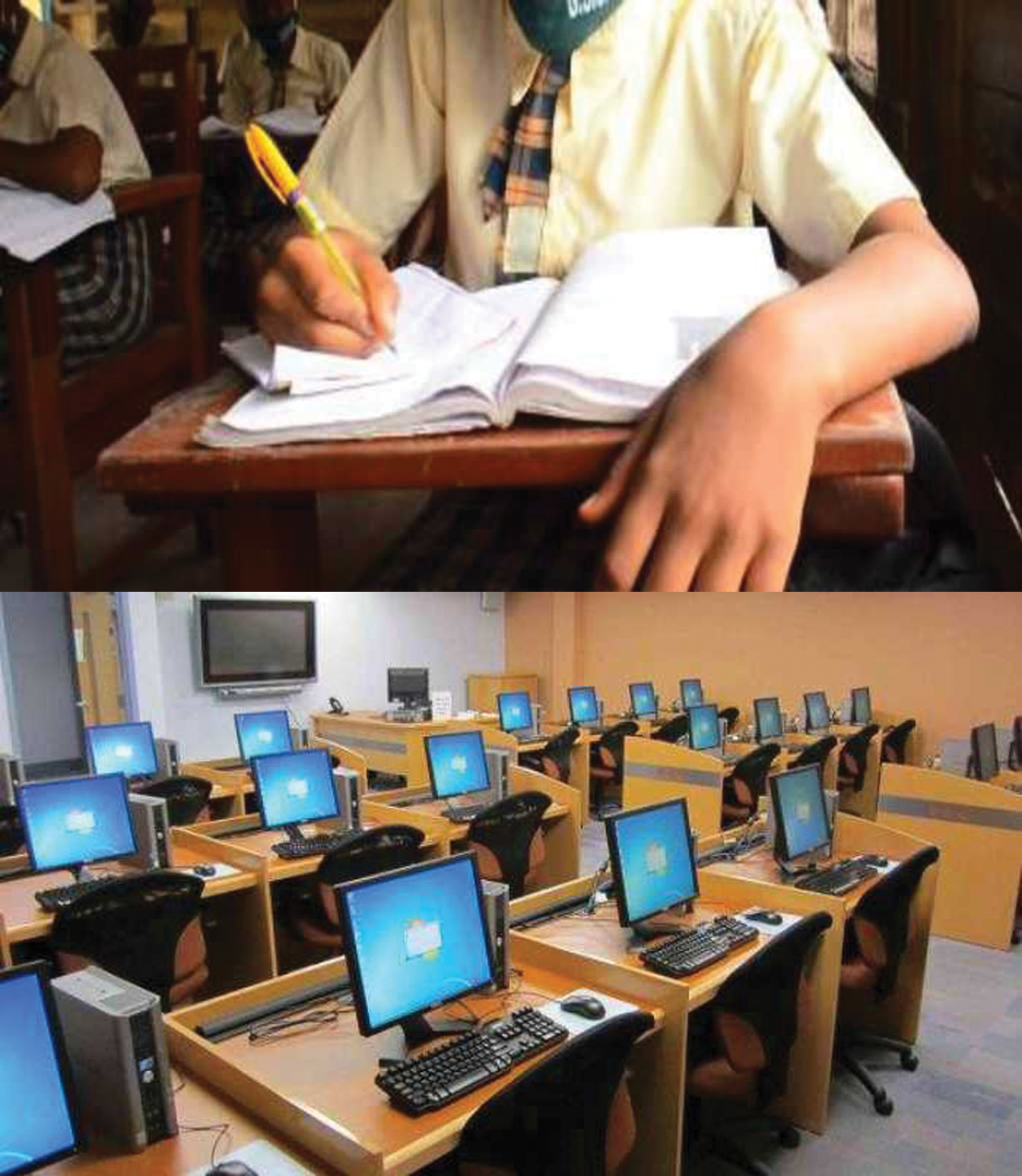
More 2.2 million candidates sat for the 2026 Unified Tertiary Matriculation Examination (UTME) across 966 Computer-Based Test (CBT) centres nationwide. The exercise, which began on April 15 and runs until April 22, is being conducted under the supervision of the Joint Admissions and Matriculation Board (JAMB). Enhanced security and technological safeguards were deployed to ensure transparency and credibility.
While the examination proceeded smoothly in many centres, others experienced technical disruptions. These glitches sparked a blame game between JAMB officials and CBT operators, each side accusing the other of responsibility.
At Skillpath International Academy in Karu, Abuja, candidates arrived early for the first session scheduled at 8:30 a.m. However, many encountered malfunctioning desktops, mice, and keyboards. Examination questions did not appear on screens until about 8:45 a.m., causing a 15-minute delay.
A technician at the centre, identified as Nonso, attributed the setback to JAMB’s delayed question uploads. He argued that such interruptions could unsettle candidates and affect performance. He recalled similar delays during the mock examination, noting that candidates were left waiting for nearly an hour before questions appeared.
JAMB officials rejected this explanation. Nnenna Akajemeli, a representative of the JAMB General Monitor Group, criticized the centre’s management for failing to ensure that systems were fully functional before the exam began. She stressed that accredited centres are expected to meet strict operational standards and warned that lapses could attract sanctions.
Akajemeli explained that discrepancies were observed during the session. While some systems worked, others failed, forcing technicians to escalate the issue. As a result, the affected batch was rescheduled to prevent candidates’ chances from being compromised. She emphasized that JAMB’s priority is fairness and credibility, insisting that no candidate should suffer due to technical lapses.
She also questioned why the centre had been approved in the first place, pointing out the absence of backup systems. JAMB requires accredited centres to have at least 250 functional systems and backups to handle emergencies. Addressing the centre owner, Alphonsus Ekpenyong, she asked why such standards were not met.
Ekpenyong defended his centre, insisting it was not deficient and had successfully conducted examinations in previous years without disruptions. He maintained that the problems were not systemic and suggested they were isolated incidents.
The dispute reflects broader challenges in Nigeria’s CBT examination system. In 2025, technical glitches affected 157 out of 887 centres, forcing JAMB to order a resit for nearly 380,000 candidates. The recurrence of similar issues in 2026 raises questions about the readiness of some centres and the robustness of JAMB’s technological infrastructure.
For candidates, the delays are more than logistical inconveniences. Many expressed frustration, noting that the interruptions heightened anxiety and disrupted concentration. With over two million candidates competing for limited university placements, any disruption can have significant consequences.
JAMB has reiterated its commitment to maintaining credibility in the UTME process. Officials insist that centres must adhere to operational standards and that lapses will not be tolerated. The Board continues to emphasize fairness, promising that affected candidates will not be disadvantaged.
As the examination continues nationwide, attention remains on whether the glitches at Skillpath International Academy are isolated or indicative of wider systemic problems. The outcome will determine whether JAMB needs to take broader corrective measures, including stricter accreditation processes or technological upgrades.
For now, the UTME 2026 highlights both the scale of Nigeria’s tertiary admission process and the persistent challenges of delivering large-scale computer-based examinations under strict standards.