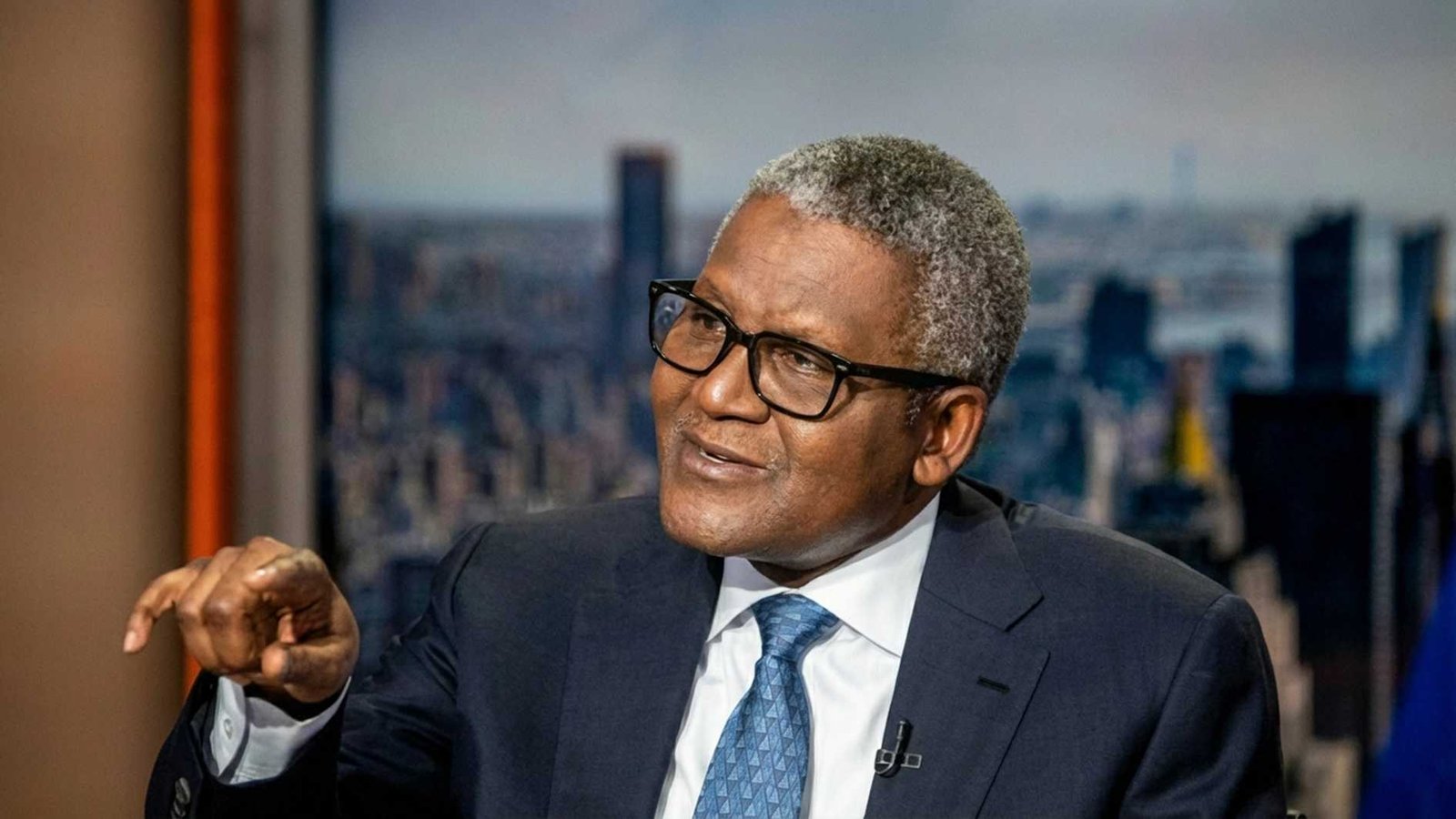
Africa’s foremost industrialist and President of the Dangote Group, Aliko Dangote, has announced plans to replicate his Lagos-based refinery in East Africa, provided regional governments extend the necessary support. Speaking at the Africa We Build Summit 2026 in Nairobi, Kenya, on Thursday, Dangote emphasized that the continent has the capacity to achieve self-sufficiency in refining and petrochemicals if leaders commit to bold infrastructure investments.
Dangote told delegates, including Kenya’s President William Ruto and Uganda’s President Yoweri Museveni, that he was prepared to construct a refinery identical to the one in Nigeria, which has a capacity of 650,000 barrels per day. He explained that the proposed facility would be located in Tanga, Tanzania, with a pipeline linked to Kenya’s Mombasa port, thereby serving the wider East African region. According to him, Kenya, Uganda, and neighboring countries stand to benefit significantly from such a project.
“There is nothing that can stop it,” Dangote declared. “We have already built one in Nigeria, and piling has started for another. At full scale, we are targeting 1.4 million barrels per day, which would make it the second-largest refinery in the world, representing 10 percent of the entire refining capacity of the United States.”
He stressed that the refinery would not only produce fuel but also petrochemicals critical to everyday industries. Dangote cited polypropylene as an example, noting its importance in packaging cement, flour, rice, and grains. He warned that global prices for polypropylene had surged dramatically in recent weeks, rising from $900 to $3,000 within just 45 days, underscoring the urgent need for Africa to build self-sufficiency in petrochemical production.
Dangote argued that Africa has both the financial institutions and human capital to undertake such large-scale projects. He urged leaders not to be intimidated by the scale of investment, pointing out that major banks are eager to finance “big-ticket items” that can transform economies. “Africans can do it. Let us not be scared,” he said, adding that the continent must stop exporting raw materials only to import finished products at higher costs.
He commended Uganda’s President Museveni for his decision to halt the export of certain raw materials, insisting that such policies would force industries to establish local production facilities. “Why do you have to take your material away, then bring it back? We have educated people. We have big financial institutions. It’s not like before. Things have changed,” Dangote remarked.
The announcement has generated significant interest among policymakers and investors, who view the proposed East African refinery as a potential game-changer for regional energy security and economic growth. Analysts note that the project could reduce reliance on imported refined products, stabilize fuel prices, and create thousands of jobs across the region.
For Kenya and Uganda, the refinery promises to strengthen industrial capacity and enhance trade competitiveness. By linking the facility to Mombasa port, the project would provide a strategic export and import hub, facilitating regional integration and positioning East Africa as a key player in the global energy market.
Dangote’s vision also aligns with broader continental goals of industrialization and value addition. The African Union has repeatedly emphasized the need for member states to move beyond raw material exports and invest in industries that can drive sustainable development. The refinery project, if realized, would serve as a practical example of this agenda.
However, experts caution that such an undertaking will require strong political will, regulatory alignment, and regional cooperation. They stress that governments must provide clear policies, incentives, and infrastructure support to ensure the project’s success. Without these, the refinery could face delays or fail to achieve its intended impact.
Dangote’s track record in Nigeria lends credibility to his pledge. The Lagos refinery, which has already begun operations, is widely regarded as one of the most ambitious industrial projects in Africa. Its success has bolstered confidence that similar ventures can be replicated elsewhere on the continent.
As discussions continue, stakeholders in East Africa are expected to weigh the economic benefits against the challenges of financing, regulation, and environmental considerations. For now, Dangote’s commitment signals a bold step toward reshaping Africa’s energy landscape and reducing dependence on external markets.