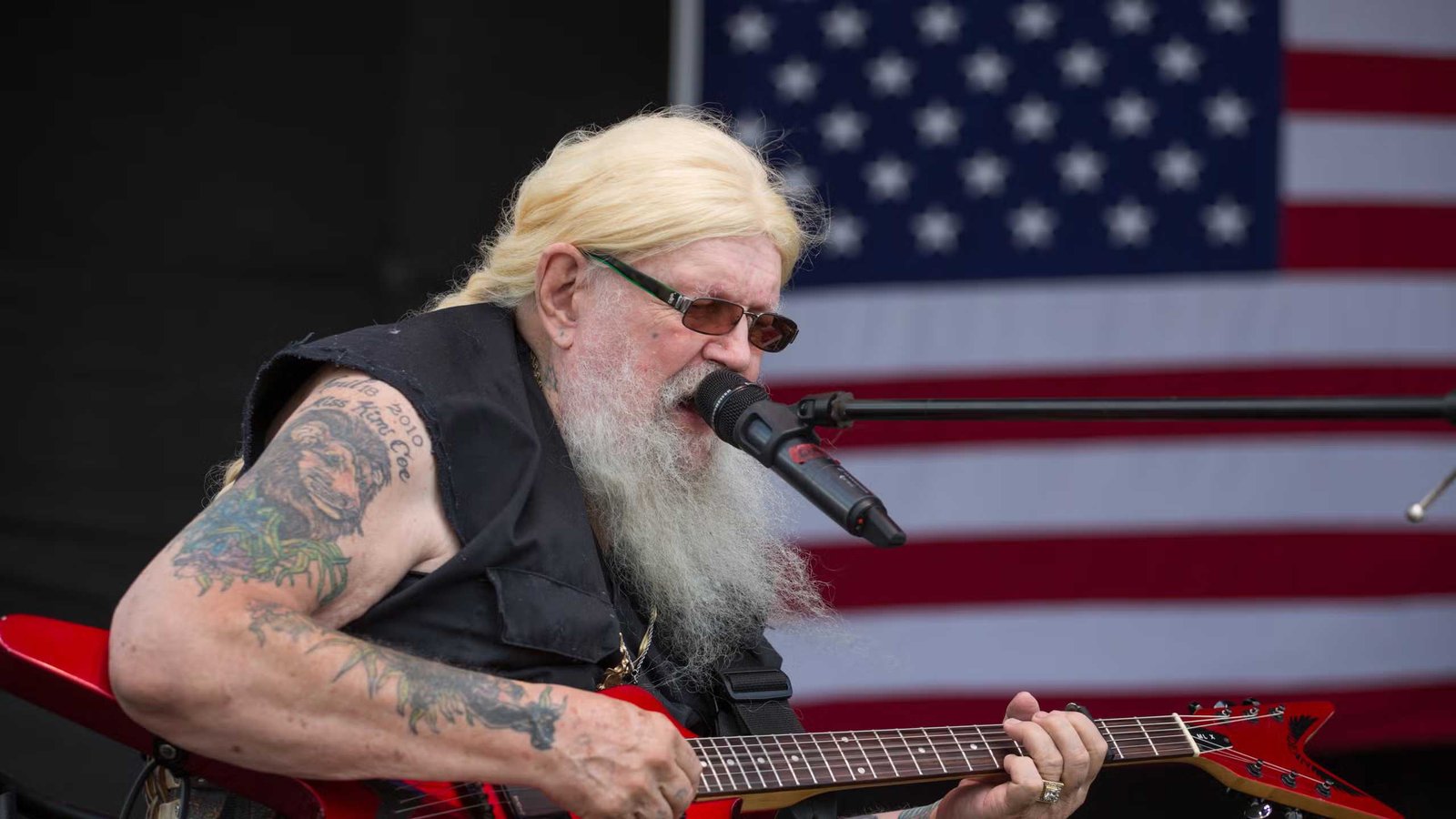
Country music has lost one of its most distinctive voices. David Allan Coe, the outlaw singer-songwriter known for his gritty style and rebellious spirit, has died at the age of 86. His wife, Kimberly Hastings Coe, confirmed the news to Rolling Stone on Wednesday. A representative later told People that he passed away around 5 p.m. that day. The cause of death was not disclosed.
Coe’s wife paid tribute to him in heartfelt words, describing him as her husband, friend, and confidant. She praised his artistry, calling him “the best singer, songwriter, and performer of our time.” She added that she hoped his legacy would never be forgotten.
Born in Akron, Ohio, in 1939, Coe’s early life was marked by hardship. He spent time in reformatories and later served a prison sentence in Ohio from 1963 to 1967 for possession of burglary tools. After his release, he pursued music, initially performing blues before finding his place in country. By the 1970s, he had become a central figure in the outlaw country movement, a genre defined by its defiance of Nashville’s polished mainstream sound.
Coe’s songwriting resonated with working-class audiences. His anthem “Take This Job and Shove It,” recorded by Johnny Paycheck, became a cultural touchstone. He also gained recognition for hits such as “You Never Even Called Me by My Name,” “The Ride,” and “Longhaired Redneck.” His music often blended raw storytelling with humor and defiance, earning him both acclaim and controversy.
Beyond his own recordings, Coe’s influence extended through songs he wrote for others. His work helped shape the outlaw country era alongside artists like Willie Nelson and Waylon Jennings. His reputation as a performer was equally strong, known for his distinctive voice and unapologetic stage presence.
Despite controversies that followed him throughout his career, Coe remained a prolific artist. His catalog reflected both his troubled past and his determination to carve out a unique space in American music. Fans admired his authenticity, while critics acknowledged his role in expanding the boundaries of country music.
Coe’s death marks the end of a career that spanned decades and left a lasting imprint on the genre. His songs captured the frustrations, humor, and resilience of everyday life, and his outlaw persona embodied the spirit of independence that defined a generation of country musicians.
As tributes pour in, David Allan Coe is remembered not only for his hits but for his contribution to a movement that reshaped country music. His legacy endures in the songs that continue to speak to audiences who value honesty, grit, and rebellion in their music.