The Peoples Democratic Party (PDP) remains engulfed in controversy despite the Supreme Court’s recent ruling on its leadership crisis. On Thursday night, fresh disputes emerged as rival factions offered conflicting interpretations of the judgment, underscoring the party’s deep divisions.
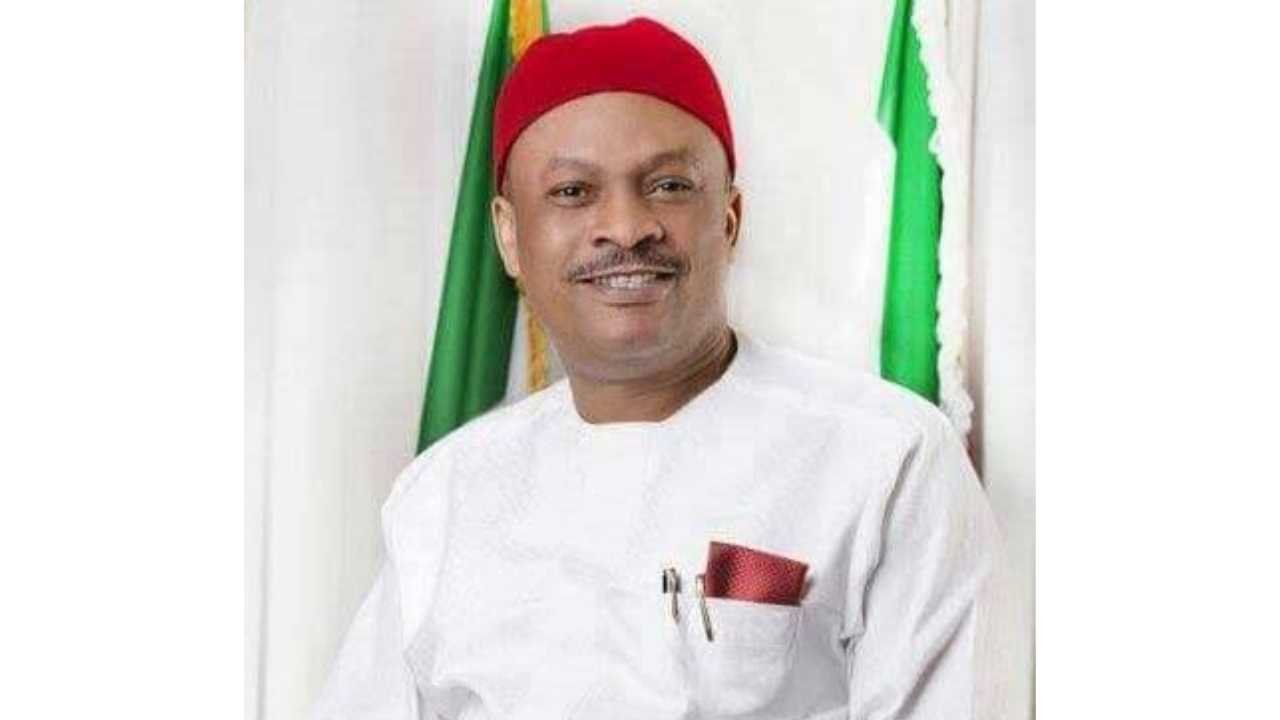
The clash unfolded during a live broadcast of Politics Today on Channels Television. Senator Samuel Anyanwu’s camp, represented by spokesman Jungudo Haruna Mohammed, insisted the ruling was straightforward and left no room for doubt. He argued that the Supreme Court had dismissed the appeal and upheld the decisions of both the appellate and Federal High Courts. According to him, the judgment was final and settled.
Jungudo rejected claims that the ruling addressed issues of suspension within the party. He stressed that suspension was never part of the case before any court. “Where did the Supreme Court or the Federal High Court discuss suspension? There was no argument whatsoever; it was never an issue before any court,” he said.
He also criticized opponents for shifting positions regarding Anyanwu’s status. “A few weeks ago they claimed Anyanwu was expelled. Today, they are talking about suspension. Which is which?” he asked. Jungudo maintained that the Supreme Court had described the matter as an academic exercise, noting that the party’s convention had already been held, making further disputes irrelevant.
The spokesman dismissed attempts to invalidate actions taken by the Anyanwu camp, arguing that such matters were never raised in court. He emphasized that the Supreme Court could not have handed control of the party to another organ, such as the Board of Trustees (BOT), as some reports suggested. “I have read everywhere that the court said the PDP’s BOT should take over. This is laughable. This is ridiculous. The court could not have said that,” he declared.
Jungudo further warned against labeling the PDP as divided into factions. He cautioned the media to avoid such descriptions, threatening legal action against outlets that persist in portraying the party as split. “The press should desist from ascribing any faction to the PDP going forward. If you do so, we have every right to take judicial action. To sue. We will sue,” he said.
The heated exchange reflects the broader reality that the PDP’s internal crisis is far from resolved. While the Supreme Court ruling was intended to settle disputes, the party’s factions continue to interpret the judgment differently, each claiming legitimacy. The disagreement has now shifted from the courtroom to the arena of public opinion, where interpretation, legitimacy, and control remain contested.
The PDP’s struggle illustrates the challenges of internal cohesion in Nigeria’s major political parties. Even with a definitive ruling from the highest court, rival camps continue to battle over authority and recognition. For observers, the episode highlights how legal decisions do not always translate into political unity, leaving the party vulnerable to further instability.
As the PDP prepares for future political contests, the lingering divisions could weaken its ability to present a united front. The Supreme Court may have closed the legal chapter, but the political battle over interpretation and control is clearly ongoing.