The World Health Organisation (WHO) says 101 Ebola cases and 10 deaths have been confirmed in the Democratic Republic of Congo (DRC) amid concerns over the spread of the disease.
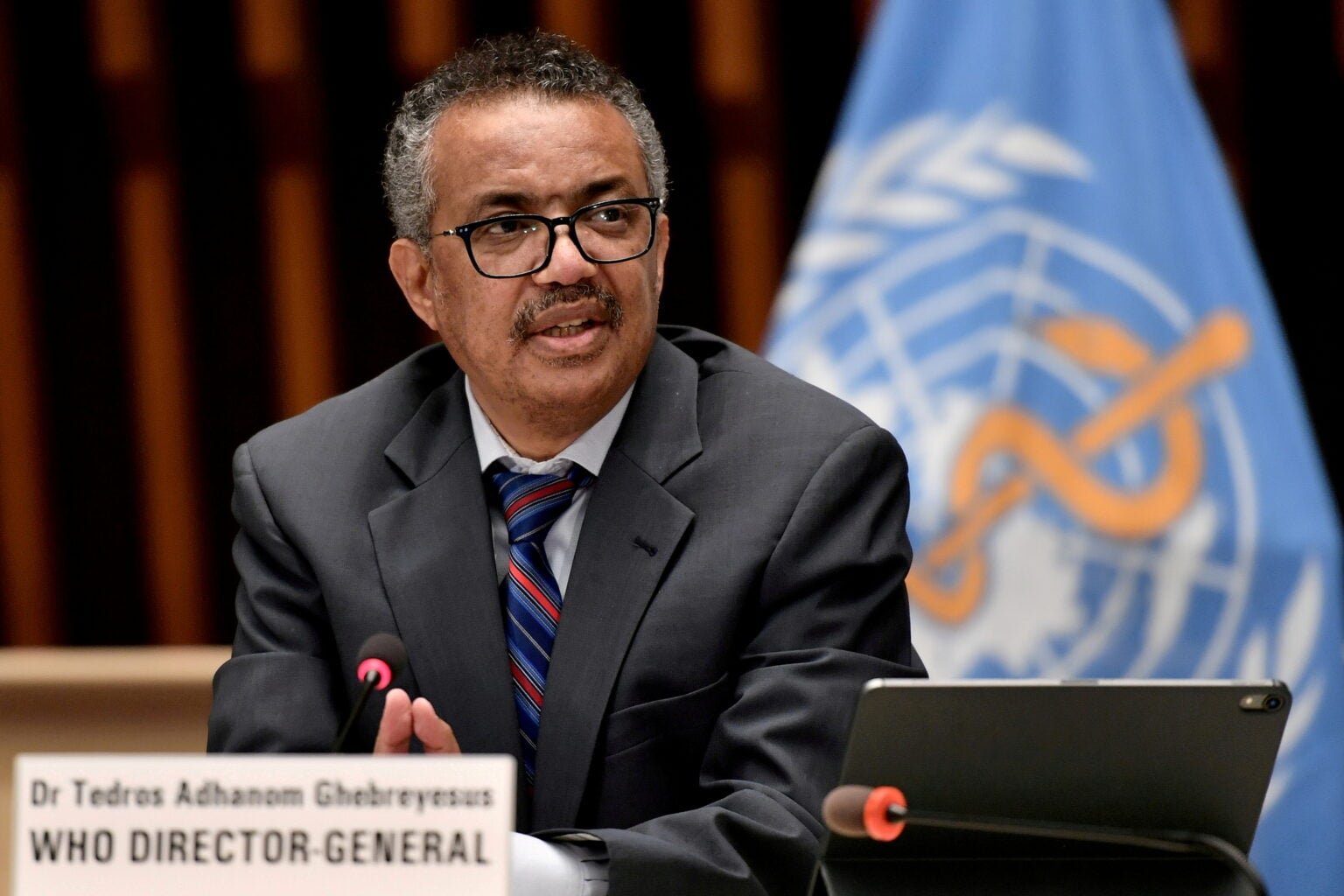
WHO Director-General Tedros Ghebreyesus disclosed this in a post on X on Monday. He also warned that the outbreak could be far worse than current confirmed figures suggest.
According to him, “there are now more than 900 suspected cases and 220 suspected deaths” in the country, adding that “the epidemic in the DRC is much larger.”
Ghebreyesus said violence and humanitarian challenges in parts of DR Congo have made efforts to contain the outbreak more difficult.
He explained that authorities have raised the national risk level in the country to “very high” because of the rapid spread of the virus and the lack of approved vaccines or treatments for the Bundibugyo strain of Ebola.
The WHO chief said the organisation is working with other agencies to finalise a strategic preparedness and response plan that aligns with measures already introduced by the governments of DR Congo and Uganda.
He said the response includes expansion of contact tracing, treatment facilities, laboratory services and community awareness efforts.
Ghebreyesus also revealed that Uganda recently confirmed two additional Ebola cases among healthcare workers. This brings the total number of confirmed infections in the country to seven, including one death.
He said WHO and its partners would intensify response efforts, warning that more infections could emerge in the coming weeks.
“The sooner we can trace people with infections and identify their contacts, the sooner we can provide the care they need and bring this outbreak under control,” he said.
Meanwhile, DR Congo’s Minister of Health, Roger Kamba, said insecurity and laboratory challenges slowed the country’s initial response to the outbreak.
Speaking during a media briefing after a ministerial cross-border coordination meeting in Kampala on Saturday, Kamba explained that a laboratory in Bunia was unable to detect the Bundibugyo strain of the virus. He said health officials had to send samples to Kinshasa for proper analysis.
Kamba added that the Congolese government is engaging international partners and diplomatic channels to improve access to areas controlled by the M23 armed group so Ebola response operations can continue across affected communities.