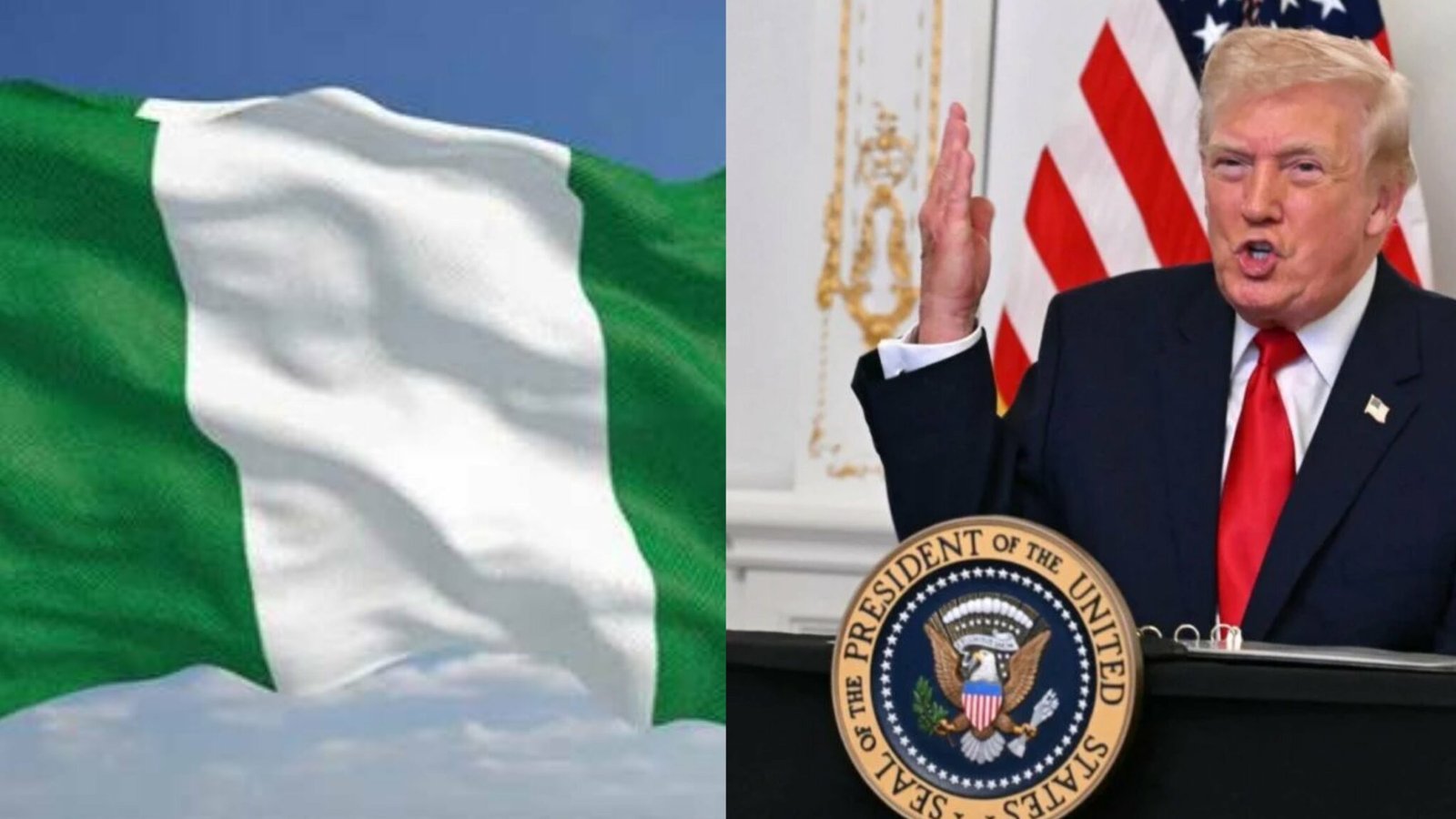
The United States has frozen the assets of eight Nigerians accused of having links to Boko Haram, Islamic State of Iraq and the Levant (ISIL), and cybercrime-related activities.
The sanctions were announced in a 3,000-page document released on February 10 by the Office of Foreign Assets Control (OFAC), an agency under the US Treasury Department. The action follows recommendations from US lawmakers calling for visa bans and asset freezes on individuals and groups allegedly involved in religious persecution and security threats in Nigeria.
Those named in the sanctions list include Salih Yusuf Adamu, Babestan Oluwole Ademulero, Abu Abdullah ibn Umar Al-Barnawi, Abu Musab Al-Barnawi, Khaled Al-Barnawi, Ibrahim Ali Alhassan, Abu Bakr ibn Muhammad ibn Ali Al-Mainuki, and Nnamdi Orson Benson.
OFAC stated that the sanctions block all property and interests belonging to the designated individuals within US jurisdiction. They are now listed as “Specially Designated Nationals,” meaning US persons are prohibited from engaging in financial or other transactions with them.
According to US authorities, some of the individuals had previously been convicted in the United Arab Emirates for attempting to raise funds for Boko Haram insurgents, including transferring $782,000 from Dubai to Nigeria. Others were identified as leaders or affiliates of Boko Haram and ISIL, while some were sanctioned over alleged cybercrime offences.
The United States first designated Boko Haram as a Foreign Terrorist Organization in 2013, citing its involvement in deadly attacks across Nigeria and the Lake Chad Basin.
The latest sanctions form part of broader counter-terrorism measures aimed at cutting off financial networks and strengthening both national and international security efforts.