Are you tired of unpredictable NEPA power outages? Thousands of Nigerians are now enjoying reliable 100% off-grid solar energy systems that keep lights on, fans running, and appliances working — even on cloudy days.
This comprehensive guide breaks down everything you need to know about solar energy systems in Nigeria: key components, how they work, top brands available locally, wiring tips, and real-world applications for homes, salons, and small businesses.
Whether you’re planning your first solar installation or upgrading an existing setup, you’ll walk away with clear, actionable insights to make an informed decision.
Why Solar Energy Matters More Than Ever in Nigeria
Nigeria’s abundant sunshine makes solar power one of the smartest investments you can make. Many homeowners and business owners have completely ditched NEPA dependency and now run their entire households or shops on solar.
One user who went 100% off-grid reports enjoying stable power every single day — even during the rainy season — thanks to high-efficiency panels and a well-designed system. Monitoring your system across seasons is crucial: production peaks in the dry season but remains impressive year-round with quality components.
How a Solar Energy System Works: Step-by-Step
- Solar panels capture sunlight and convert it into Direct Current (DC) electricity.
- The solar controller regulates the DC power to safely charge your batteries.
- The inverter converts DC to Alternating Current (AC) — the power your fans, TVs, fridges, and lights actually use.
- Batteries store excess energy for night-time and cloudy periods.
- Proper wiring and breakers keep everything safe and efficient.

Essential Components of Any Reliable Solar Energy System in Nigeria
1. Solar Panels – The Heart of Your System
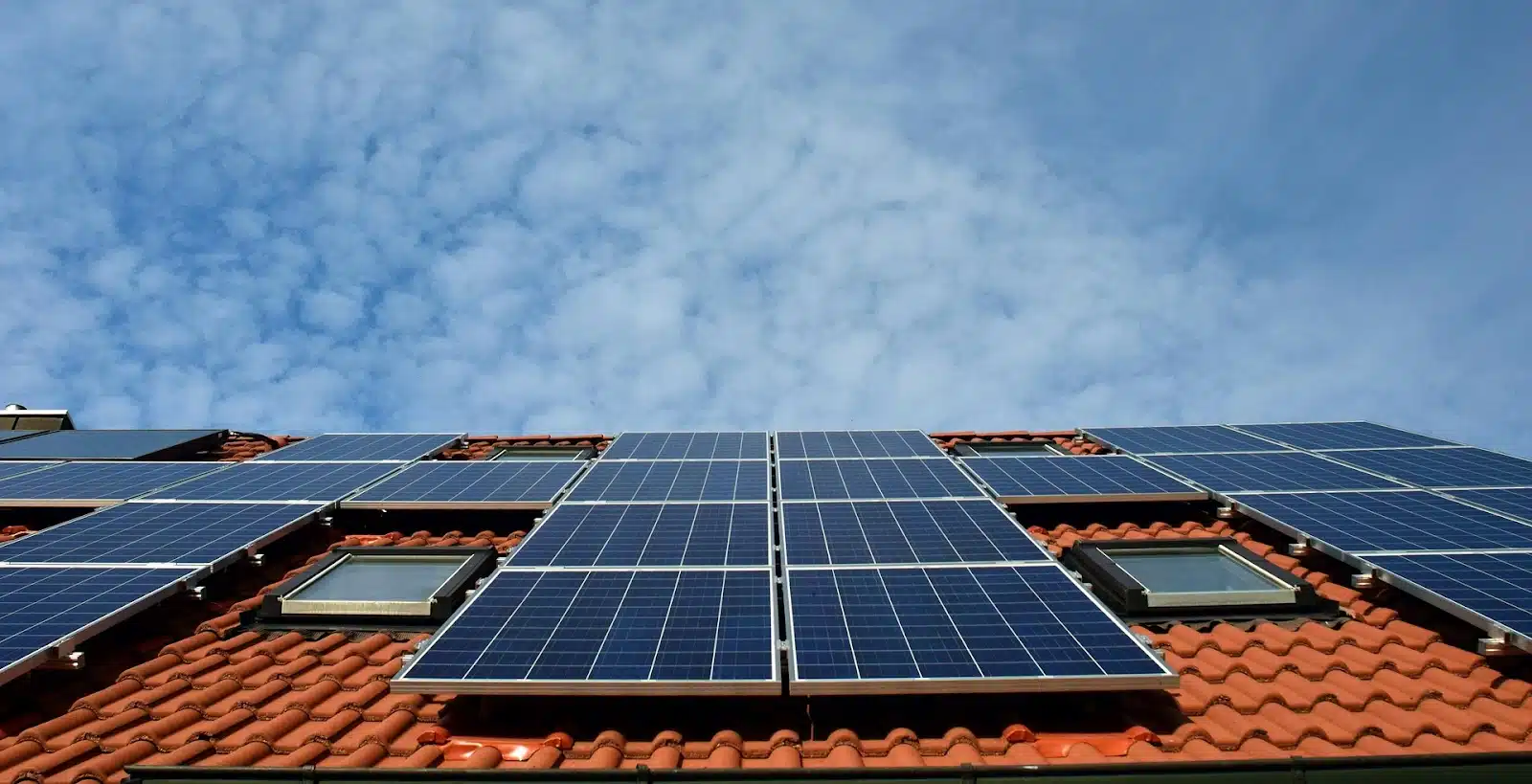
Solar panels are the primary energy generators. They turn free sunlight into DC electricity.
Top-performing brands available across Nigeria include:
- Jinko Solar
- Trina Solar
- Longi Solar
These monocrystalline panels deliver excellent efficiency and come with 25-year performance warranties. Users consistently report strong output even under partial shading or light cloud cover — exactly why the 100% off-grid system mentioned earlier performs so well.
2. Solar Controller (Charge Controller)
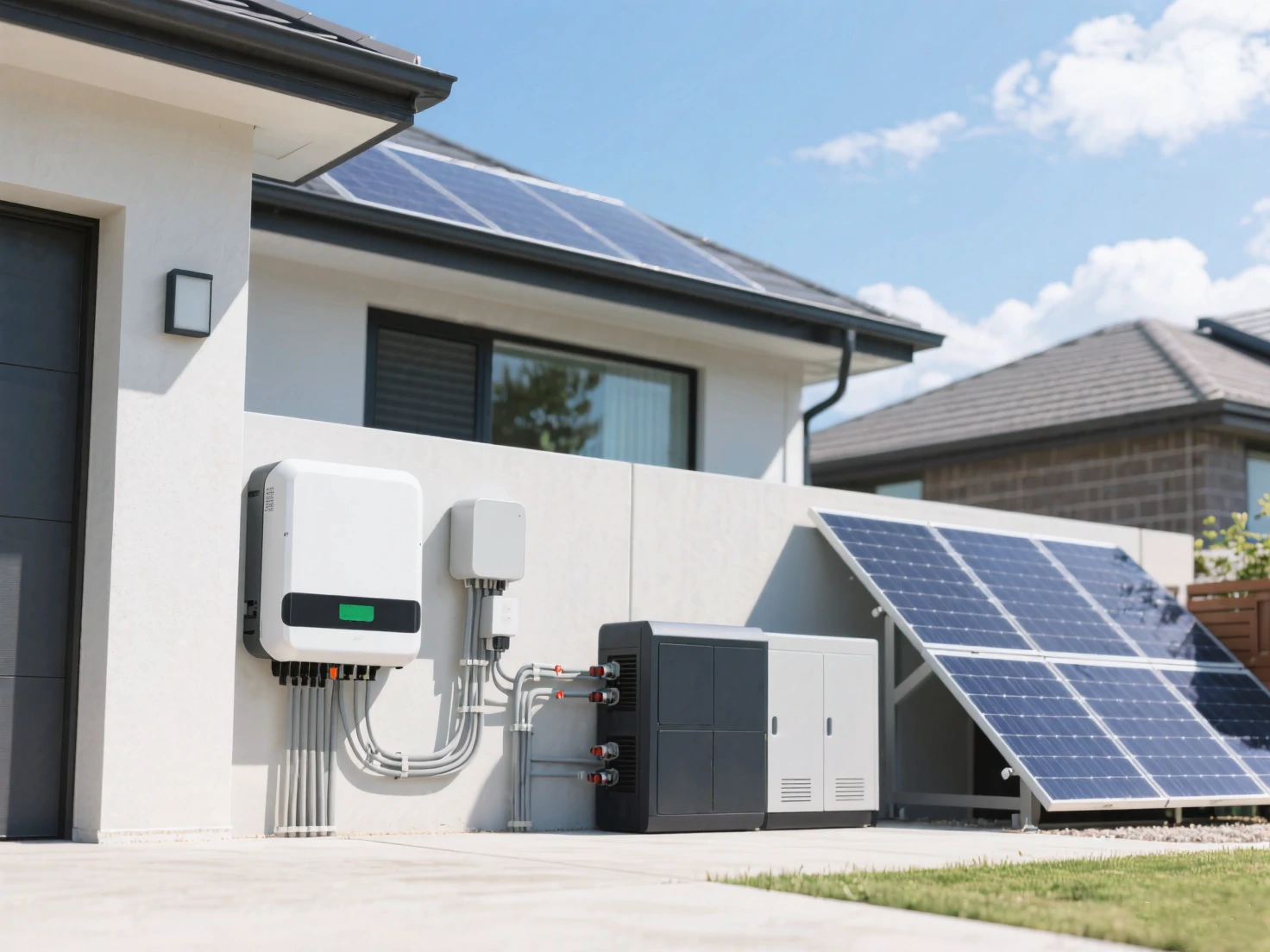
This critical device protects your batteries by regulating voltage and current during charging. It prevents overcharging, which can damage expensive batteries and shorten their lifespan.
3. Inverter – Converting Power for Household Use
Most Nigerian homes run on AC power. The inverter transforms DC from panels or batteries into usable AC.
Many modern inverters also feature built-in USB ports for direct phone and laptop charging straight from the DC side — super convenient!
4. Hybrid Inverters: The Smart All-in-One Choice
Hybrid inverters combine the solar controller and regular inverter into a single compact unit. Benefits include:
- Saves space
- Simpler installation
- Better overall performance
- Often include advanced monitoring apps
When choosing an inverter, match capacity to your total load (fridge + fans + lighting + TV, etc.). Undersizing is the most common mistake.
5. Batteries – Your Energy Storage Bank
Quality batteries are non-negotiable. Popular options in Nigeria:
- Lithium-ion (longer life, faster charging, lighter)
- Tubular deep-cycle (proven, cost-effective for many users)
Always select batteries based on your daily energy consumption and desired backup hours.

6. Wiring, Cables & Safety Breakers
Cheap or undersized cables cause voltage drop and energy loss. Use the correct gauge (thickness) for your system size.
Breakers and fuses are essential for safety — they protect against surges and allow safe maintenance. Never skip proper earthing and professional installation.

Best Inverter Brands Performing Well in Nigerian Conditions
Reliable options widely available include:
- Growatt – Excellent value and hybrid models
- Victron – Premium quality, legendary durability
- Other strong performers: Deye, Sunsynk, Felicity
All these brands have proven track records in Nigeria’s heat, dust, and variable grid conditions.
Real-World Applications: Homes, Salons & Small Businesses
- Homes: Run lights, fans, TVs, fridges, and even small AC units.
- Salons: Keep clippers, dryers, and lighting running all day without generator noise.
- Small businesses: Offices, boutiques, and workshops enjoy uninterrupted power and huge savings on diesel.
Tailor your system size to your exact needs — a professional assessment saves money long-term.
Final Tips for Success in Nigeria
- Buy from reputable vendors with warranties.
- Prioritise quality cables and proper installation.
- Monitor your system daily (most hybrid inverters have apps).
- Plan for seasonal variations — but expect excellent performance year-round with the right panels.
Frequently Asked Questions
What are the main components of a solar energy system in Nigeria? Solar panels, charge controller, inverter (or hybrid inverter), batteries, and quality cabling with breakers.
Which solar panels are best in Nigeria? Jinko, Trina, and Longi are the most trusted brands for efficiency and local availability.
Do hybrid inverters work better than separate controller + inverter? Yes — they save space, reduce wiring complexity, and usually offer superior performance and monitoring.
Can solar systems work on cloudy days in Nigeria? Absolutely. High-efficiency panels still produce meaningful power even under cloud cover.
How do I choose the right battery for my solar system? Calculate your daily kWh usage and desired autonomy (hours without sun), then pick lithium-ion for longevity or tubular for budget.
Ready to go solar and say goodbye to NEPA headaches forever?
Drop your questions in the comments — what’s your biggest concern: cost, sizing, or installation? Like, share, and subscribe for more practical solar guides tailored for Nigeria.
Let’s power Nigeria together — one solar system at a time! ☀️