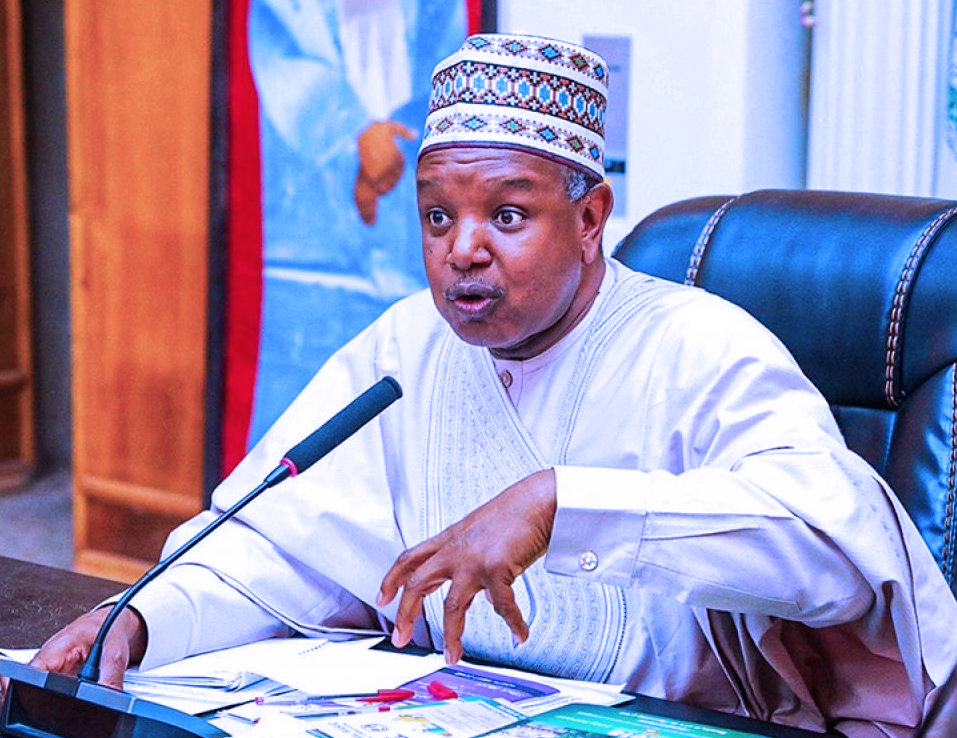
Nigeria’s youth have been urged to play a more active role in addressing the root causes of conflict, with Minister of Budget and National Planning, Atiku Bagudu, stressing that peace and security are essential foundations for national development. Speaking at the Youth Peace and Security Planning Workshop in Abuja, organized by Search for Common Ground Nigeria in collaboration with the Ministry of Youth Development, Bagudu emphasized that young people must understand the historical and contemporary drivers of conflict to contribute meaningfully to solutions.
Bagudu identified grievances over land, competition for resources, corruption, and exploitation by external actors as key triggers of local disputes. He explained that modernization pressures and the breakdown of traditional arrangements have further complicated matters. Drawing from his experience as a governor, he noted that many young people struggle to articulate the causes of conflict in their communities, limiting their ability to engage constructively.
He called for youth education on conflict dynamics and encouraged collaboration across ethnic, religious, and regional divides. Bagudu also highlighted the role of institutions, particularly religious organizations, in shaping community responses. He warned that leaders could either mislead or guide, depending on their messaging.
Placing Nigeria’s challenges in a global context, Bagudu argued that population size and diversity are not the country’s core problems. Instead, the lack of understanding of conflict drivers and weak collaboration among communities pose greater risks. He pointed to countries such as China, India, and Pakistan as examples of diverse nations that have managed internal complexities successfully. He urged Nigerian youth to embrace civic engagement, education, and social cooperation to build inclusive communities.
Representing the Minister of Youth Development, Tayo Olosunde, Senior Technical Adviser on Institutional Capacity and Programme Sustainability, described Nigeria’s diversity as both a strength and a challenge. He stressed the importance of finding common ground in a society where every voice matters. Olosunde commended the administration’s efforts to bring diverse opinions together and emphasized the need to fully implement the National Action Plan on Youth, Peace, and Security.
The Director of Education and Youth Development, Despan Kwardem, explained that the workshop aims to revise Nigeria’s first National Action Plan, developed in 2021. He said the plan positions youth as frontline actors in peacebuilding, shifting perceptions of them from drivers of insecurity to agents of stability. Kwardem noted that the ministry’s help desk has resolved over 5,000 complaints between youth and security agencies, and highlighted the importance of engaging online communities where extremist recruitment often occurs.
Global Director of Children and Youth Programmes at Search for Common Ground, Saji Frelis, described the revised plan as forward-looking and impact-driven. He emphasized the economic and social value of investing in youth peacebuilding, citing evidence that every dollar invested can yield returns of $5 to $10. Frelis said the new plan will include measurable frameworks to track progress in youth agency, institutional trust, and community safety.
The workshop brought together government officials, civil society, and development partners to consolidate efforts toward a more peaceful and inclusive Nigeria. By revising the National Action Plan, stakeholders aim to empower young people to take leadership roles in conflict prevention and resolution, ensuring that they are not passive bystanders but active participants in shaping a secure future.