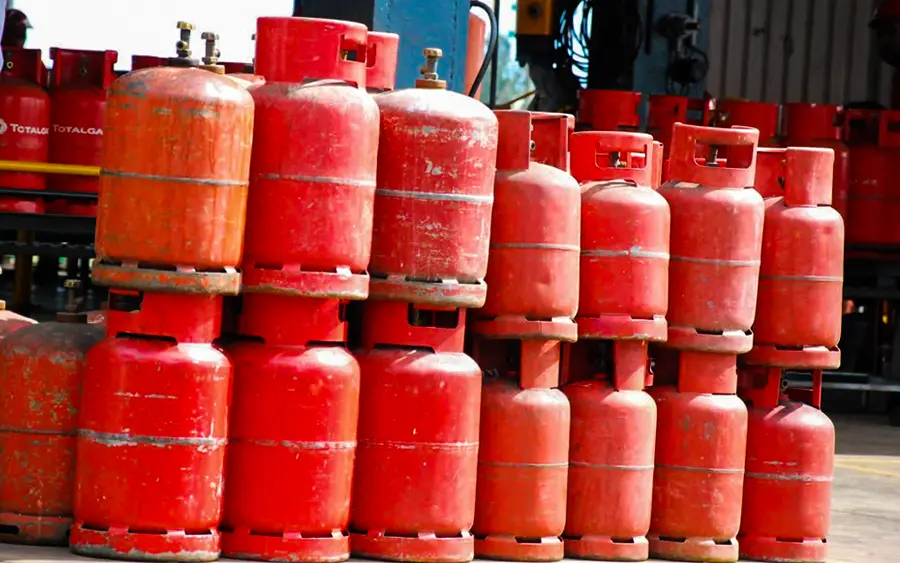
The price of Liquefied Petroleum Gas (LPG), commonly known as cooking gas, has risen sharply across Nigeria. Latest market checks show that the commodity now sells for up to N1,500 per kilogram, representing a 14.3 percent increase from N1,300 recorded last month.
At the wholesale level, the ex-depot price climbed even higher. Dealers now pay N21 million for 20 metric tonnes, compared to N18 million last month. This represents a 16.7 percent month-on-month increase. The hike has been confirmed by the Nigerian Association of Liquefied Petroleum Gas Marketers, whose president, Inyang Edu, noted that the surge has weakened consumer purchasing power and reduced sales at gas plants nationwide.
Edu explained that depots such as Rainoil, Nipco, Mobil, and Ardova now sell at N1,065,000 per metric tonne, translating to over N21 million for 20 metric tonnes. Nipco, which previously sold at N19.5 million, has also raised its price. He attributed the sharp increase to the ongoing Middle East crisis, which has disrupted global oil supply chains and affected petroleum products beyond cooking gas.
On the role of domestic supply, Edu pointed out that the Dangote Refinery sells at a relatively cheaper rate of about N16 million per 20 metric tonnes to its off-takers. However, these off-takers add profit margins, making the product expensive for marketers. He further noted that Dangote’s supply remains limited, as the refinery receives only five out of the 13 crude oil allocations it requires, forcing it to import crude for refining.This shortfall, combined with geopolitical instability, continues to drive up the cost of petroleum products in Nigeria.
Consumers are increasingly turning to alternative energy sources as cooking gas becomes less affordable. Marketers warn that unless supply improves and global disruptions ease, prices may remain high, further straining households already grappling with rising living costs.
The situation underscores Nigeria’s vulnerability to external shocks and the need for stronger domestic production capacity. Industry stakeholders argue that stabilising supply from local refineries and addressing crude allocation challenges will be critical to easing the burden on consumers.