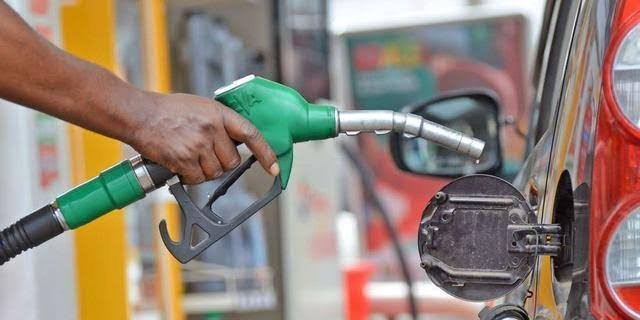
Energy analysts and operators in the downstream petroleum sector have cautioned that Nigerians could face another rise in petrol and diesel prices if crude oil climbs above $90 per barrel amid renewed hostilities between the United States and Iran.
The warning follows fresh instability in the Middle East, which unsettled the global oil market and raised concerns about Nigeria’s fuel pricing framework. This concern persists despite efforts to expand local refining capacity.
A survey across major cities shows that petrol sells between N824 and N880 per litre. The price varies by location, distribution costs, and marketer. The rates followed a recent adjustment by the Dangote Petroleum Refinery. In February 2026, the refinery reduced its Premium Motor Spirit gantry price by N25 per litre. The ex-depot price dropped from N799 to N774 per litre.
Five energy experts who spoke with our correspondent on Sunday said the conflict between Washington and Tehran could have serious consequences for crude oil prices. They noted that tension around the Strait of Hormuz has already introduced risk premiums into the market. They warned that a prolonged crisis would likely increase fuel costs for consumers.
Over the weekend, global crude prices rose by about 10 per cent after reports indicated that several oil companies halted tanker movements near the Strait of Hormuz. The waterway links the Persian Gulf to the Indian Ocean and handles a large share of global oil shipments. Any disruption along that corridor often leads to supply concerns and price increases.
As of 10 p.m. on Sunday, Brent crude traded at $72.87 per barrel. West Texas Intermediate sold at $67.02, while Nigeria’s Bonny Light stood at $78.62 per barrel. Analysts said prices could approach the $90 mark if the crisis deepens.
Chief Executive Officer of Dairy Hills, Kelvin Emmanuel, said Nigeria remains exposed to international pricing because the Dangote Refinery still depends heavily on imported crude.
He stated, “Dangote currently processes an average of 18 million barrels of crude oil monthly. Out of this, about 12 million barrels are imported, while he gets about 5.7 million barrels, which is the equivalent of six cargoes, from the Nigerian National Petroleum Company Limited.
“The commercial operators are not keen on supplying him feedstock because they hide under the guise of willing buyer, willing seller to inflate third-party commissions to the domestic refiner, in contravention of Section 109 of the Petroleum Industry Act.
“Any sharp increase in crude oil prices from this escalation will lead to a revision in the cracking margin spread of the refiner and, consequently, the price of refined products. The fact that protection and indemnity clubs are raising war risk insurance premiums on tanker vessels will also make it more expensive to land feedstock in Nigeria. If crude prices rise above $90 per barrel, the refiner will have to revise the price of PMS and diesel in Nigeria.”
Emmanuel also raised concerns about the naira-for-crude arrangement. He said, “The government claims that it supplies him nearly 190,000 barrels under the naira-based crude swap but is unable to account for the volume of cargoes given under said arrangement, or specify the equivalent petrol and diesel output.”
The Chief Executive Officer of Petroleumprice.ng, Olatide Jeremiah, expressed similar concerns. He said Nigeria’s dependence on imported crude and refined products exposes the country to global shocks.
He said, “Nigeria is the largest crude oil producer in Africa and at the same time hosts the biggest refinery on the continent and the seventh largest globally. Ideally, a hike in global crude prices should not have a direct impact on local fuel prices.
“The Petroleum Industry Act clearly prioritises domestic refineries in crude allocation. If Dangote sourced 100 per cent of its crude locally, global price volatility would have little or no impact on domestic fuel prices because transactions would be naira-denominated.
“However, more than 60 per cent of Dangote refinery’s crude feedstock is being sourced abroad, and 40 per cent of refined products being consumed are imported. Fuel prices will be at the mercy of oil prices. Petroleum traders in Nigeria have been tracking events between Iran and the US, and a surge in oil prices is expected. For Nigeria, revenue will increase, but Nigerians should brace for higher fuel prices on Monday, no doubt.”
Jeremiah urged the government to increase crude production and tackle oil theft. He added, “Also, the crises affecting the strategic Strait of Hormuz, through which tankers pass to Africa, won’t directly affect the supply of crude to Nigeria, depending on the markets we serve, like North America, Asia, and Europe.
“This is a wake-up call to the federal government that Nigeria’s growing and functional refineries cannot continue to rely on foreign crude. With current production at 1.5 million barrels per day, just 50 per cent of our potential, Nigeria should produce at least 2.5 million barrels per day if not for theft, corruption, and sabotage.
“This international oil price shock is an eye-opener. Every little oil price fluctuation, upward or downward, affects prices, profitability, and investor confidence. Production must be enhanced to ensure refineries like Dangote survive. The Petroleum Industry Act encourages domestic refineries to be prioritised for sufficient feedstock. The naira-for-crude arrangement only provides 30 per cent to Dangote, which is insufficient for a refinery of this scale,” he concluded.
An energy law scholar at the University of Lagos, Dayo Ayoade, said Nigeria can no longer shield consumers from global price swings after subsidy removal.
He said, “The instability in the Middle East and any threat to the Strait of Hormuz will drive oil prices higher based on both perception and real supply concerns.
“Now the local fuel market has transitioned to a more commercial model, which is affected by international developments. Without subsidies, any crude price increase will directly impact fuel prices at the pump. More revenue may come in, but we must remain cautious.”
Professor Emeritus Wumi Iledare, a petroleum economist, advised against panic. He said today’s oil market differs from earlier crises.
He said, “We must resist the temptation to interpret the US–Iran strike as the beginning of another historic oil shock. This is not the 1973 oil embargo, nor the Iran–Iraq war, nor the Gulf War era. The global oil market today is structurally more diversified, transparent, and responsive. Prices reacted sharply in the past because supply options were limited and information was slower.”
Iledare explained that market forces determine oil prices. He said geopolitical tension may add a temporary premium if supply fundamentals remain stable.
The National Publicity Secretary of the Independent Petroleum Marketers Association of Nigeria, Chinedu Ukadike, said marketers are monitoring developments.
He said, “Anything that affects the international oil market will affect local supply and prices. We are watching the trend and the reactions of the refinery and the government. We assure Nigerians that marketers will continue to ensure a steady supply once products are available.”
The crisis intensified after coordinated strikes on Iran by the United States and Israel. Iran launched retaliatory attacks, which raised fears of a broader regional conflict. Saudi Arabia has promised to respond to any aggression.
President Donald Trump announced on Truth Social that Iran’s supreme leader, Ayatollah Ali Khamenei, was killed Saturday after US and Israeli predawn assaults. Iranian state media later confirmed his death.
Brent crude increased by about 10 per cent to nearly $80 per barrel on Sunday. Analysts said prices could approach $100 if tensions continue. More than 20 per cent of global oil shipments pass through the Strait of Hormuz. Shipowners and insurers have reacted to heightened military activity in the region. War risk premiums on vessels have increased, which raised transportation costs.
Meanwhile, eight members of the OPEC+ alliance agreed to raise output by 206,000 barrels per day from April. The group includes Saudi Arabia, Russia, Kuwait, Oman, Iraq, the UAE, Algeria, and Kazakhstan. Analysts said the increase may not prevent a price surge if supply routes face disruption.
Jorge Leon of Rystad Energy warned that the modest production increase may not stabilise the market.
Leon said, “If oil cannot move through Hormuz, an extra 206,000 barrels per day does very little to ease the market. Prices will respond to Gulf developments and shipping flows, not a relatively small increase in output.”
Industry observers said Nigeria must strengthen crude production, curb theft, and ensure adequate supply to domestic refineries. They noted that such measures remain vital to protect the economy from external shocks and future volatility.