Italy’s hopes of returning to the World Cup ended on Tuesday after a dramatic playoff defeat to Bosnia and Herzegovina. The Azzurri fell 4-1 in a penalty shoot-out following a 1-1 draw in Zenica, confirming their absence from a third consecutive tournament. The result makes Italy the first former champions to miss three straight editions of the competition, which will be staged later this year in the United States, Canada, and Mexico.
Italian Football Federation (FIGC) president Gabriele Gravina addressed reporters immediately after the match. He revealed that coach Gennaro Gattuso had been asked to remain in charge despite the setback. Gravina also confirmed that Gianluigi Buffon, who currently oversees both senior and youth national teams in his role within the FIGC, had been invited to continue. Buffon stated he would wait until the end of the season in June before deciding on his future.
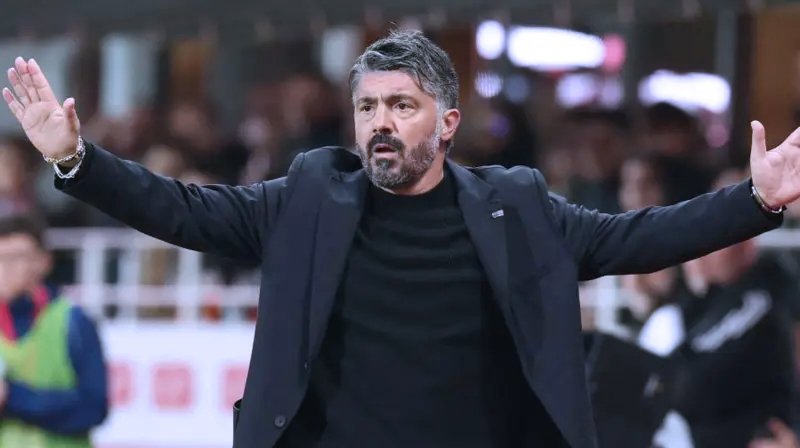
Gattuso, visibly emotional, repeated to Italian broadcaster RAI that his own position was “not important.” He admitted the defeat was deeply painful, saying he would have sacrificed years of his life or wealth to secure qualification. A World Cup winner as a player in 2006, Gattuso took over as coach in June last year after Luciano Spalletti was dismissed. His contract was set to expire after the World Cup, but Gravina’s comments suggest the federation may seek continuity despite the disappointment.
The playoff itself was tense. Italy took the lead but failed to hold it, and Bosnia forced the game into penalties. The shoot-out exposed Italy’s lack of composure, with only one successful attempt compared to Bosnia’s four. The defeat highlighted ongoing struggles within Italian football, which has faced repeated failures on the international stage since winning the World Cup in 2006.
Gravina acknowledged the scale of the crisis. He insisted he would not resign but admitted his leadership would be reviewed at a board meeting next week. He argued that the problems extend beyond the federation, calling for broader reflection from political leaders who, he said, have focused only on demanding resignations rather than addressing structural issues.
The loss underscores a period of decline for Italy, once considered a powerhouse of world football. Missing three consecutive World Cups is unprecedented for a nation with four titles to its name. The federation now faces difficult decisions about rebuilding the team, restoring confidence, and reconnecting with supporters who have endured years of frustration.
For Gattuso, the challenge is whether he remains to lead that process. For Buffon, the question is whether he continues his role in shaping the future of Italian football. And for Gravina, the pressure is mounting as Italy confronts a crisis that goes far beyond one playoff defeat.