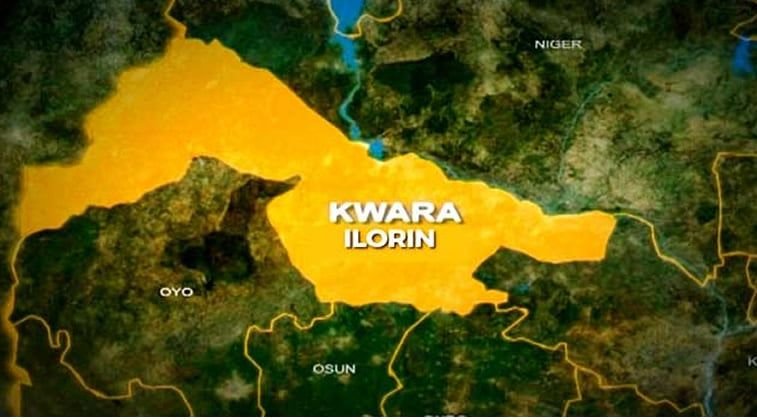
Nigeria has been urged to launch an extensive military campaign in parts of the North-Central region after a deadly attack linked to a Boko Haram offshoot left scores dead in Kwara State.
This call followed the massacre of nearly 200 residents in Nuku and Woro communities in Kaiama Local Government Area. The assailants, identified as members of Jama’at Nusrat al-Islam wal-Muslimin, carried out the assault on Tuesday. The incident has raised fresh fears about the worsening security situation across the country.
According to the editorial position, the attack signals a dangerous shift in terrorist activities toward the South-West. The region shares boundaries with Kwara, which heightens concerns about possible infiltration. The newspaper therefore urged President Bola Tinubu and security chiefs to begin a decisive military operation across forest corridors in Kwara, Niger and Kogi states where the fighters are believed to operate.
It warned that the violence should not be seen as an isolated occurrence. Instead, it described the killings as evidence of a calculated southward expansion by insurgents with links to Boko Haram, moving from the North-East and North-Central toward more economically strategic zones.
The editorial stressed that the South-West remains one of Nigeria’s most secure regions despite nationwide insecurity. It noted that Lagos serves as the country’s commercial hub. Any major breach there would damage Nigeria’s global image and economic stability.
Criticism was directed at past security approaches. The paper argued that authorities had focused more on defending towns than dismantling insurgent strongholds. It compared the current situation to earlier operations around Sambisa Forest, where delayed offensives allowed militants to regroup.
It also faulted the practice of deploying troops only after attacks. Such deployments, it said, cannot provide lasting protection because security forces lack the numbers to remain in every rural settlement. Once soldiers withdraw, armed groups often return.
The editorial advised the President to restructure counter-terror operations and unify security leadership under a coordinated command system. It recommended the deployment of specialised counter-terror units into the Kainji Forest Reserves, believed to host insurgent camps.
With the dry season ongoing, it said conditions favour ground and aerial operations. It urged the military to act immediately rather than wait for further strikes. It called for the use of armed drones, coordinated bombardments and overwhelming force to dismantle the networks.
The piece argued that neutralising the group’s leadership would block its territorial ambitions and discourage similar factions. It added that success in the axis could pave the way for expanded operations in the North-East and North-West.
While pressing for stronger action, the editorial acknowledged recent military gains. It cited the killing of Boko Haram commander Abu Khalid alongside 10 fighters on January 31. It also paid tribute to security personnel who lost their lives in the conflict, including Brigadier-General Musa Uba, who was killed by insurgents in Borno last November.
The newspaper further advised the Federal Government to deepen intelligence cooperation with the United States. It recommended disrupting weapons supply chains and funding pipelines that sustain extremist groups.
Attention was also drawn to terror financing. It called for the identification and prosecution of sponsors, including any collaborators within state structures. Financial surveillance bodies were urged to intensify monitoring and enforce asset seizures where necessary.
The editorial proposed that the President should set a clear deadline for clearing forest sanctuaries used by terrorists. It said failure to meet such targets should attract consequences for service chiefs.
Political leaders in the South-West were asked to strengthen regional vigilance and present a united front. They were also urged to hold the Federal Government accountable for the prosecution of the anti-terror campaign.
Recounting the Kwara killings, the editorial described how gunmen moved from house to house, tied up male residents and shot them. Women and children were abducted, while homes and public buildings were set ablaze. Travellers were also attacked along major routes. More than 170 people were reportedly killed.
Drawing a historical parallel, it referenced the United States’ pursuit of Osama bin Laden after the September 11 attacks. It urged Nigerian authorities to adopt a similar leadership-targeting strategy against the insurgent commander known as Sadiku.
The paper concluded that the militant leader and his fighters must be captured and punished under the law. It added that, after stabilising the North-Central corridor, security forces should intensify operations in Sambisa Forest and other insurgent enclaves across the North.