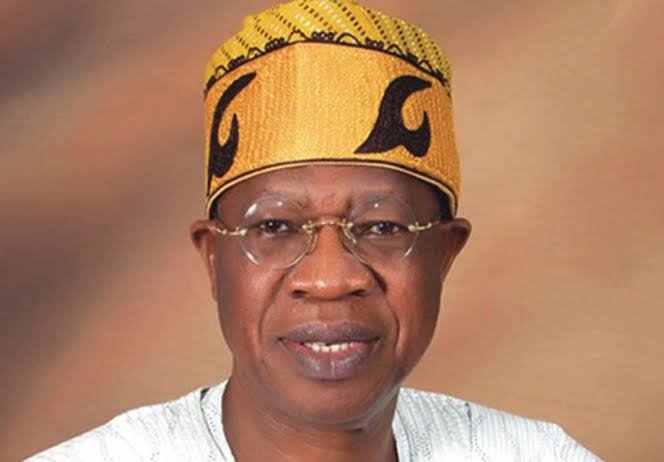
Former Minister of Information and National Orientation, Lai Mohammed, has dismissed claims that Labour Party’s 2023 presidential candidate, Peter Obi, was denied victory at the polls.
Mohammed said Obi would not have emerged president even if he had secured 10 million votes. He also rejected the belief that the former Anambra State governor was rigged out of the contest.
The ex-minister spoke on Edmund Obilo’s podcast, State Affairs. He explained that after the election, he and his team engaged international stakeholders to clarify the outcome of the vote.
He said: “Even if Peter Obi had won 10 million votes, he could not have become president.
“After the election, its legitimacy was being questioned, if you remember. As a matter of fact, the Labour Party, if you go to social media in 2023, you would feel it won the election; they were everywhere on social media.
“And they did not win the election. Unfortunately, the perception out there was that they won and were rigged out. They did not win and were not rigged out.
“I took it upon myself and my team to meet think tanks in the US, UK, and international media, and we explained to them why Peter Obi could not have won the presidential election.
“The constitution of Nigeria is very clear: you need two requirements to win the presidential election. First, you must have scored the highest number of votes; second, you must also have scored at least one-quarter of the votes cast in two-thirds of the states.
“The results are there: Obi did not come first, he did not even come second; he came a close third to Atiku.
“However, he scored one-quarter of the votes cast in 15 states, Atiku scored one-quarter of the votes cast in 21 states, and only Asiwaju had the majority of votes and one-quarter of votes cast in 29 states of the federation.
“Obi was not the biggest headache, and I think that if he had stayed with Atiku, PDP would have won.”
Mohammed maintained that the constitutional requirements for winning the presidency were not met by Obi. He stressed that the election outcome reflected both the total votes and the geographical spread required under the law.
The former minister concluded that public perception, especially on social media, differed from the official results declared at the end of the exercise.