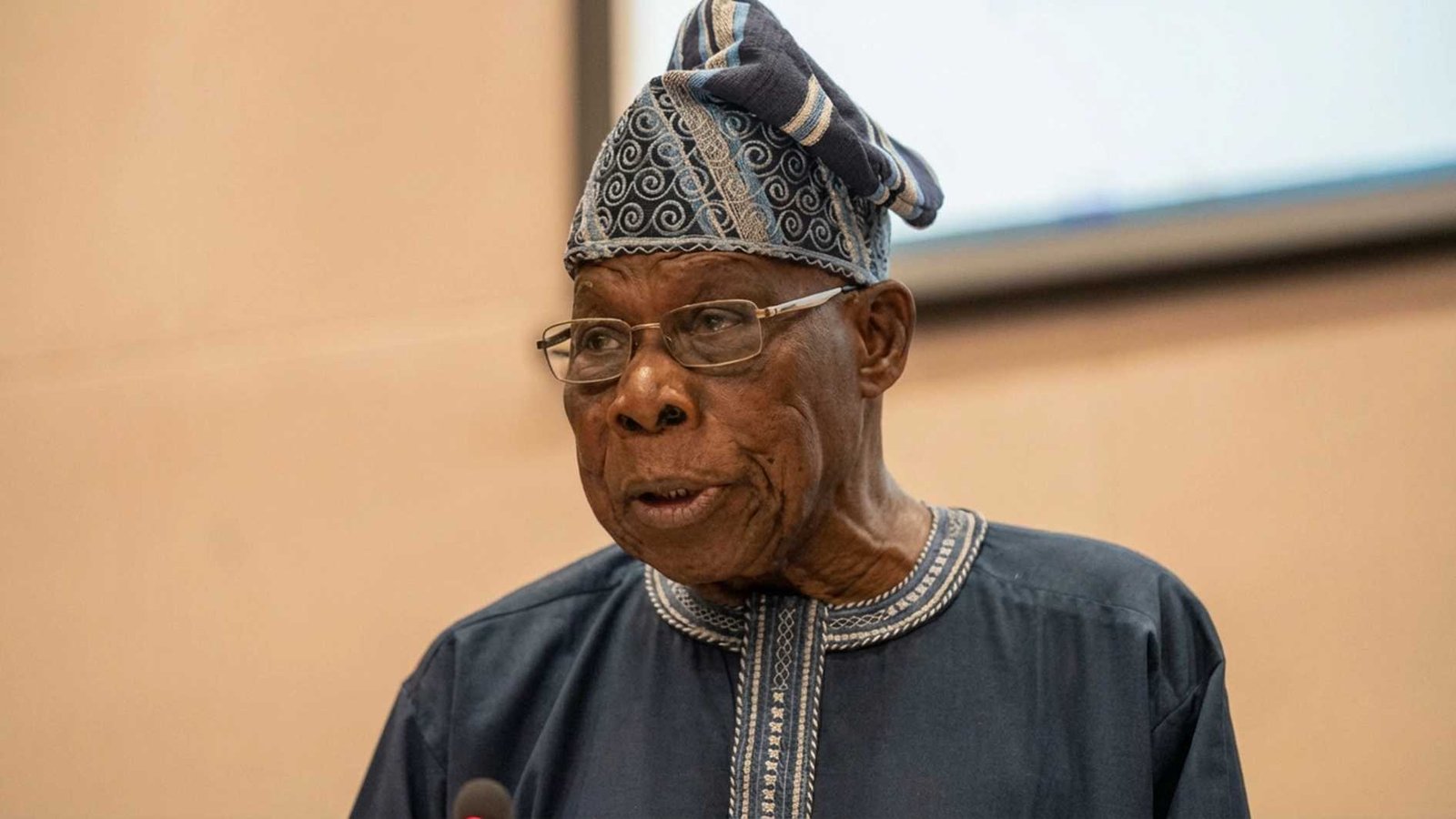
Former President Olusegun Obasanjo has called on Nigerians to take shared responsibility for the country’s progress, warning that meaningful development will remain out of reach unless citizens unite to confront national challenges. He made the remarks on Thursday at the 6th Annual Colloquium marking the 65th birthday of Pastor Itua Ighodalo, founder of Trinity Church. The event carried the theme: “The Future of Nigeria.”
Obasanjo, represented by Professor Adedeji Daramola, Deputy Chief Executive of the Olusegun Obasanjo Leadership Institute, emphasized that nation-building is not the duty of leaders alone but a collective task involving every segment of society. “Until we come together to resolve this matter, there’s no way we can just expect a miracle to happen,” he said. He stressed that Nigeria’s future remains promising despite current difficulties, but only if citizens—from market traders to professionals and political leaders—actively contribute.
The former president insisted that no external force would fix Nigeria’s problems. “Until we come together to work and fix Nigeria, nobody will fix it for us,” he declared. While acknowledging the importance of leadership, he argued that accountability and participation across all levels of society are equally vital.
Obasanjo also highlighted the role of young people in shaping Nigeria’s future. He urged greater involvement of youth in governance and development, describing them as central to the country’s progress. “The future is now, and the country should involve the youth in governance; the future of Nigeria is in the youth,” he said. He pointed to Nigeria’s demographic advantage, noting that its youthful population offers a unique opportunity if harnessed through technology and innovation. With advancements in artificial intelligence and digital tools, he said Nigeria must ensure its youth benefit from these developments.
Other speakers at the colloquium echoed similar concerns. Economist Professor Eghosa Osagie stressed the importance of local production, warning against dependence on imports. “Don’t consume what you don’t produce,” he advised. Ms. Opeyemi Adamolekun of Enough is Enough Nigeria criticized the commercialization of politics, describing it as transactional and detached from genuine governance. Technology investor Iyinoluwa Aboyeji highlighted structural gaps in connectivity, noting that most digital infrastructure remains concentrated in Lagos, leaving other regions underserved.
The event drew several prominent figures, including Vanguard publisher Sam Amuka, business magnate Folorunsho Alakija, and former Cross River State governor Donald Duke, who joined others in celebrating Pastor Ighodalo.
Collectively, participants agreed that Nigeria stands at a critical juncture. They emphasized that decisive action, inclusive governance, and strategic investment in youth and infrastructure will determine whether the country can compete effectively in the global arena. The discussions underscored that progress requires not only visionary leadership but also active citizen engagement, stronger institutions, and a commitment to innovation.
Obasanjo’s message reinforced the idea that Nigeria’s future depends on unity, accountability, and the willingness of its people to take ownership of national development. His call for collective responsibility reflects growing recognition that the country’s challenges cannot be solved by government alone but demand contributions from all citizens.