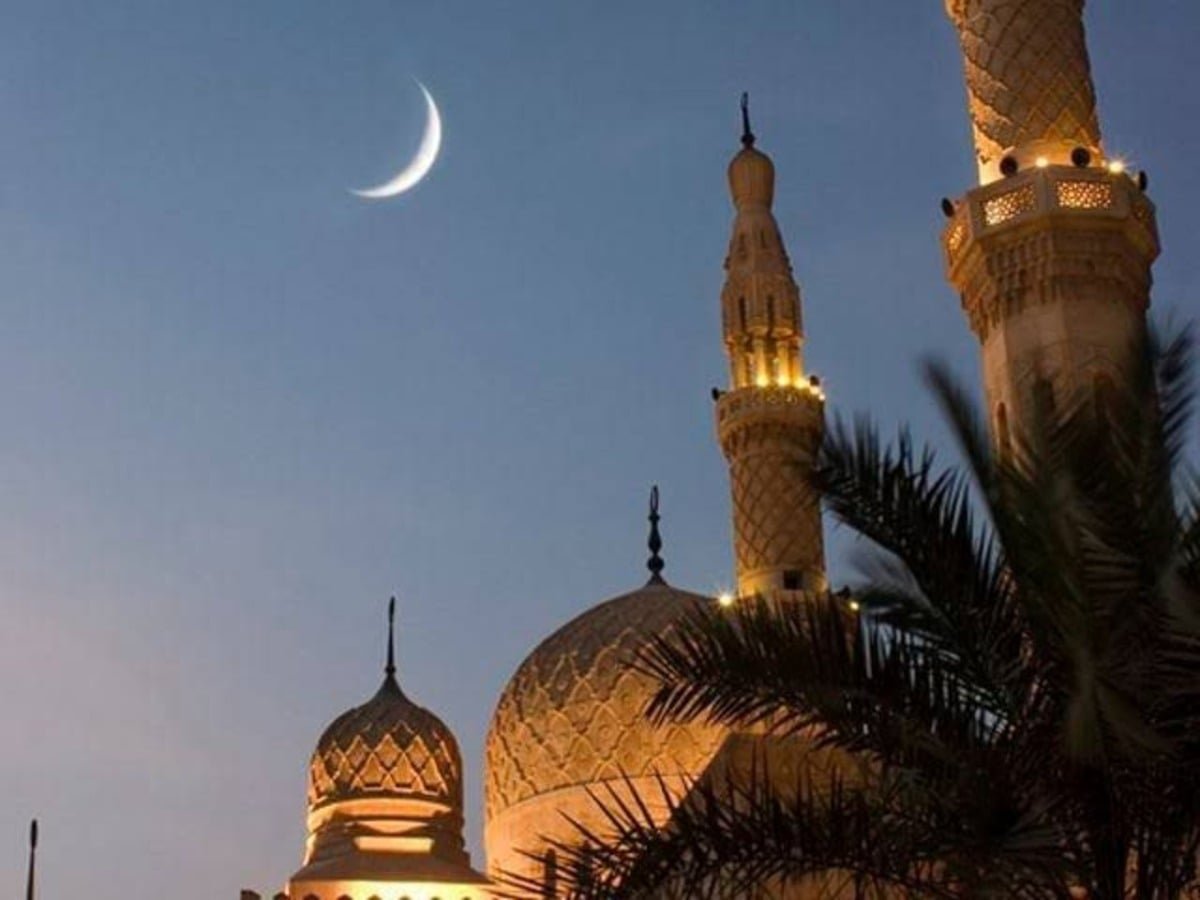
The Supreme Court of Saudi Arabia has officially confirmed the sighting of the Ramadan crescent for the year 1447 AH, marking the beginning of the holy month.
The announcement followed verified reports received on the evening of Tuesday, 29 Sha’ban 1447 AH, which corresponds to February 17, 2026. The confirmation establishes Wednesday, February 18, 2026, as the first day of fasting across the Kingdom.
With the moon sighting confirmed, the first Taraweeh prayers will take place on Tuesday night after the Isha prayer in mosques throughout Saudi Arabia, including the Grand Mosque in Makkah and the Prophet’s Mosque in Madinah.
The decision came despite earlier projections by leading astronomical bodies, among them the International Astronomy Center (IAC). The organisation had stated that sighting the crescent on Tuesday evening would be impossible across the Arab and wider Islamic world. It explained that the moon would set before sunset or only a few minutes after, which would make visibility difficult through both the naked eye and telescopes.
However, the Saudi Supreme Court relied on the Kingdom’s long-standing Islamic method, which places priority on verified human sighting once credible witnesses testify. Reports presented before the court’s moon-sighting committee were examined and validated before the official declaration was made.
Following the confirmed start date, Eid al-Fitr is expected to fall either on Thursday, March 19, or Friday, March 20, 2026. The exact date will depend on the sighting of the Shawwal crescent at the end of Ramadan.
Muslims in Saudi Arabia, along with several other countries that align with the Kingdom’s announcement, will now commence the period of fasting, nightly prayers, and spiritual reflection associated with the sacred month.
Ramadan this year coincides with the winter season. Fasting hours are expected to last around 13 hours in the region.