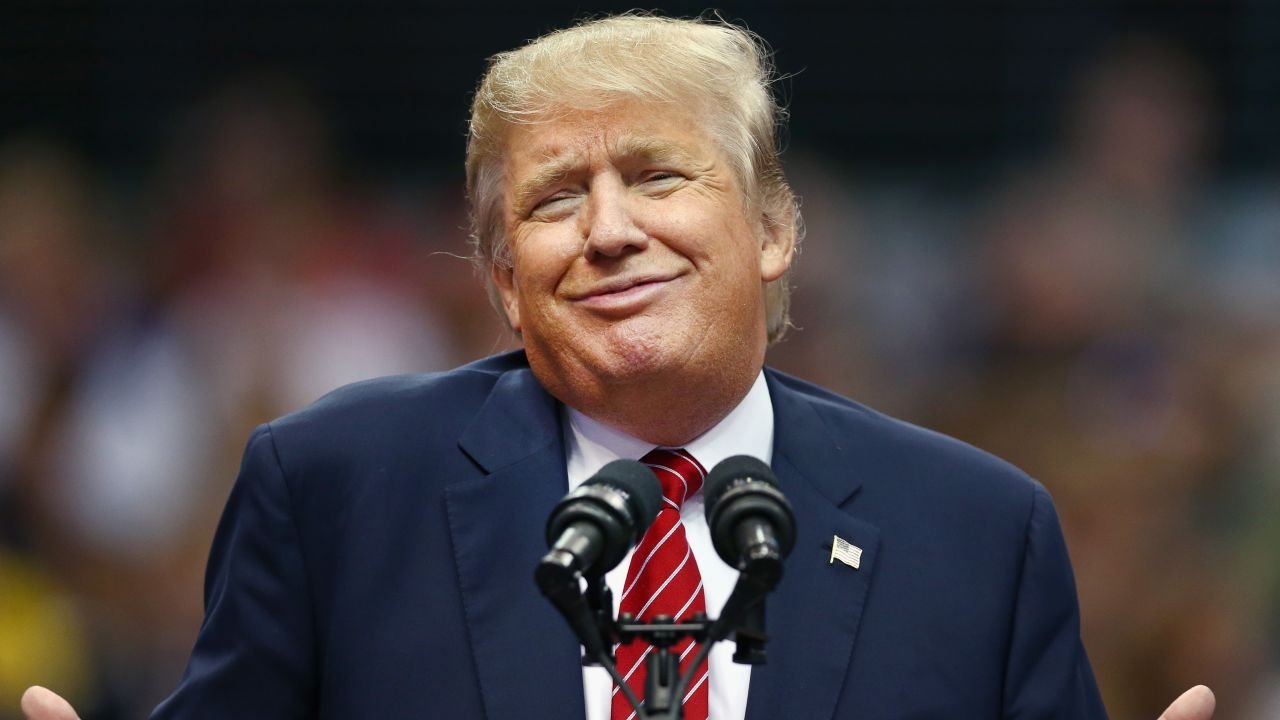
US President Donald Trump on Saturday called on other nations to dispatch naval vessels to help secure the Strait of Hormuz, a critical route for global oil shipments currently threatened by regional tensions.
Trump said multiple countries could join the United States in maintaining the passage for international shipping.
Posting on Truth Social, the president wrote, “Many countries, especially those who are affected by Iran’s attempted closure of the Hormuz Strait, will be sending War Ships, in conjunction with the United States of America, to keep the Strait open and safe.”
He added that major global economies impacted by the disruption should participate in the effort. “Hopefully China, France, Japan, South Korea, the UK, and others, that are affected by this artificial constraint, will send Ships to the area.”
The White House reinforced Trump’s position in a post on X later the same day, stating: “One way or the other, we will soon get the Hormuz Strait OPEN, SAFE, and FREE!” – President DONALD J. TRUMP.
The Strait of Hormuz is one of the world’s most important energy chokepoints, handling a substantial portion of global oil shipments. More than 20 million barrels of oil pass through the strait daily, representing roughly a fifth of worldwide consumption, according to Reuters.
The heightened tensions follow joint US–Israeli strikes on Iranian military targets in late February. Iran has since launched retaliatory missile and drone attacks in the region and threatened maritime activity in the strait, sparking concerns over a broader regional conflict and global economic impact.
Shipping and trade across the Gulf have already been affected. Tankers have faced attacks, and maritime traffic has been disrupted. Analysts warn that a prolonged blockade of the waterway could have “catastrophic consequences” for energy markets and the global economy.
The Trump administration emphasized the urgency of ensuring the strait remains accessible and secure to prevent further disruption of international oil flows.
This development highlights the growing international focus on safeguarding critical energy routes amid escalating Middle East conflicts.