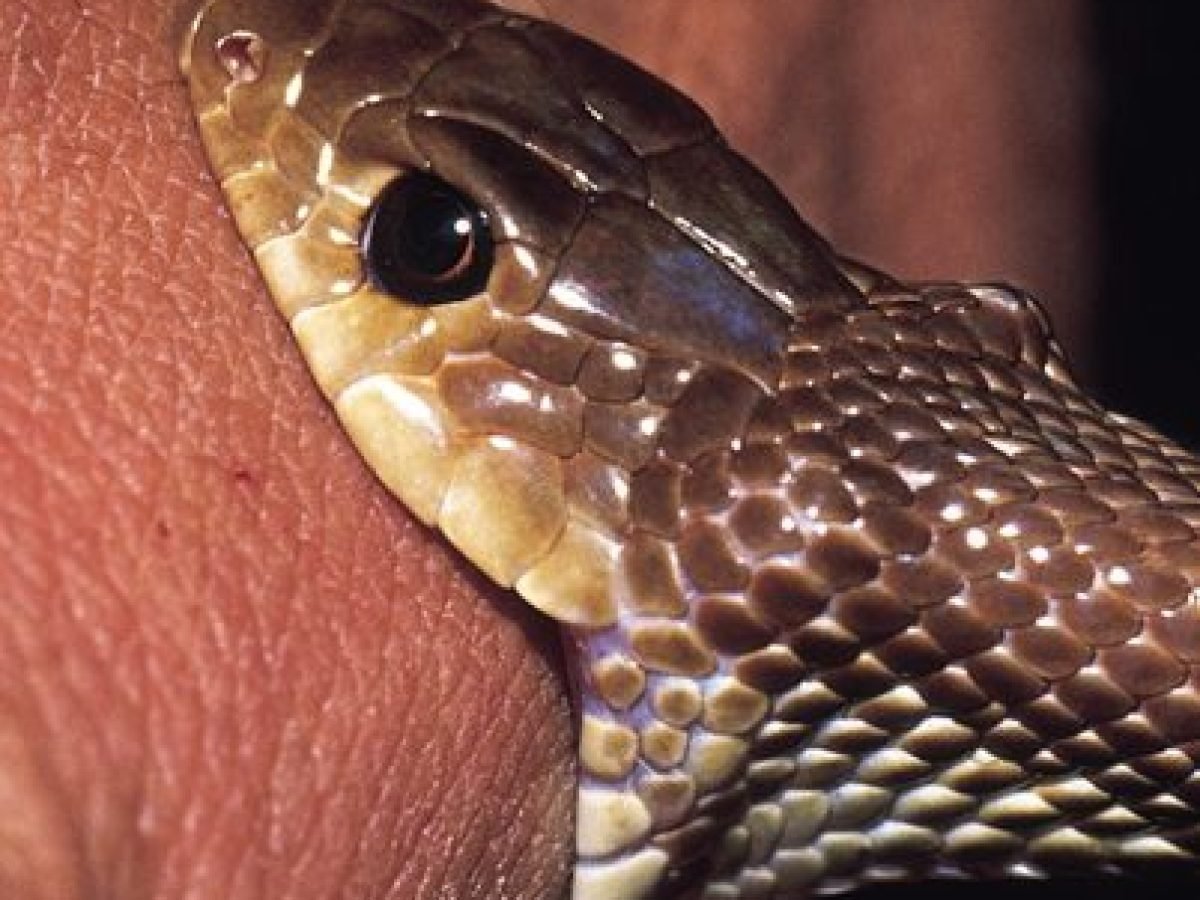
Snakes are often misunderstood creatures in human environments. For many people, fear begins not with a direct encounter but with uncertainty about where a snake might be hiding and why it appears near homes.
Experts explain that snakes do not actively seek out humans. “They are quiet and careful animals that spend most of their lives trying to stay out of sight and save energy,” the report states. However, sightings near homes, gardens, construction sites, and farms have become more common in cities, towns, and rural areas.
This increase is linked to changing landscapes, seasonal weather, and the availability of shelter and food. Snakes respond strongly to temperature. Extreme heat and cold influence where they rest, hunt, and hide. Human environments inadvertently offer many of the conditions snakes need, such as shade, moisture, warmth, and small prey like rodents and frogs.
Understanding where snakes take shelter, how weather affects their movements, and what attracts them to gardens can reduce surprise encounters and help people stay safe.
Common Snake Hiding Spots
Snakes prefer places that offer protection from predators, stable temperatures, and access to food. They do not stay long in open spaces. Natural and man-made cover is ideal.
Rock piles, thick bushes, tall grass, fallen logs, wood stacks, debris, and abandoned rodent burrows are common hiding places. In urban areas, snakes can shelter under concrete slabs, in drains, beneath stairs, or along walls with cracks and gaps.
Weather significantly affects their choice of shelter. During hot periods, snakes seek cooler spots such as underground burrows, shaded garden corners, compost pits, and areas near water. Basements, garages, and crawl spaces often provide cooler conditions than the outside ground, attracting snakes in summer.
In colder weather, snakes move to insulated spaces that protect them from falling temperatures. They retreat deeper underground into burrows, rock crevices, gaps under foundations, and unused drainage lines. Brumation, a period when snakes stop moving for weeks or months, helps them survive cold spells without frequent activity.
Reasons Snakes Enter Human Spaces
Snakes do not enter homes or gardens deliberately. They are drawn to conditions that meet survival needs. “One of the main reasons is the presence of food,” the report notes. Rodents, lizards, frogs, and insects thrive near human settlements, especially where waste management is poor or vegetation is overgrown. Snakes follow this prey.
Shelter is another factor. Construction, deforestation, and land clearing destroy natural hiding spots. Snakes adapt by using sheds, storage areas, unused rooms, and stacked materials near houses. Seasonal temperature changes also affect their movements. When it is hot, snakes look for shady and moist areas. During cold weather, they seek warmer, protected spaces, including homes, garages, and gardens. Water sources such as leaking pipes, garden ponds, water tanks, and open drains also attract snakes and their prey, especially during dry periods.
Tips For Snake-Proofing Homes And Gardens
Snake-proofing reduces the likelihood of encounters but does not require sealing a space completely. Experts recommend trimming plants, avoiding overgrown lawns, removing trash and extra wood, and storing firewood away from walls. Filling cracks in walls, floors, and foundations, installing fine mesh over drains and vents, and ensuring doors fit tightly can block entry.
Keeping homes clean and controlling food waste reduces rodent populations. Fixing leaks and preventing standing water in gardens also discourages snakes. Extra caution is needed during extreme weather. In summer, shaded storage areas should be checked regularly. In winter, warm but undisturbed spaces like basements and garages should be monitored.
Understanding Snake Behavior Reduces Risk
Snakes play an important role in controlling pests and maintaining environmental balance. Most bites occur when snakes feel threatened, cornered, or accidentally stepped on. People can avoid such situations by knowing where snakes hide and why they move. Proper care of shelter, food sources, and awareness of seasonal risks can minimize unwanted encounters. “Being aware, not afraid, is still the best way to live safely with wildlife,” the report concludes.