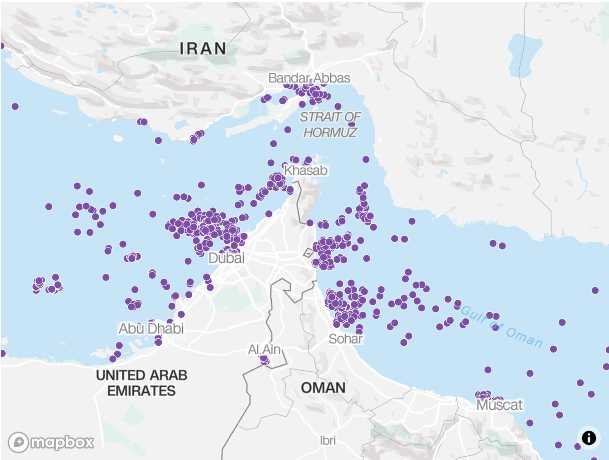
Iran has suspended the movement of oil tankers through the Strait of Hormuz following Israel’s latest military strikes on Lebanon, according to reports from the semi-official Fars news agency. The decision marks a significant escalation in regional tensions, as the strait is one of the world’s most critical shipping routes for crude oil and gas exports.
The move comes after Israel carried out what it described as its largest coordinated strikes on Lebanon since the start of the war with Hezbollah. Witnesses in Beirut reported widespread panic as explosions hit key areas of the capital, underscoring the intensity of the assault. Israel has made clear that its ongoing two-week ceasefire agreement with Iran does not extend to Lebanon, insisting that operations against Hezbollah will continue.
Earlier in the day, Pakistani Prime Minister Shehbaz Sharif stated that Lebanon was included in the ceasefire arrangement between Israel, the United States, and Iran. However, Israel’s military rejected that interpretation, confirming that Hezbollah targets in Lebanon remain within its scope of operations.
Fars reported that only two oil tankers were permitted to cross the Strait of Hormuz since the ceasefire took effect, highlighting the immediate impact of Iran’s decision. The halt in tanker traffic raises concerns about global energy supplies, as the strait handles a substantial portion of the world’s oil shipments.
The suspension underscores Iran’s leverage in the conflict, using control of the strait as a strategic tool to pressure adversaries and signal its displeasure with Israel’s actions. Analysts warn that prolonged disruption could destabilize energy markets and heighten geopolitical risks across the Middle East.
For now, the situation remains fluid. Iran’s halt on tanker traffic adds another layer of uncertainty to a conflict already marked by shifting alliances, contested ceasefire terms, and escalating military operations. The coming days will determine whether the suspension is temporary or the beginning of a broader strategy to exert influence through energy chokepoints.