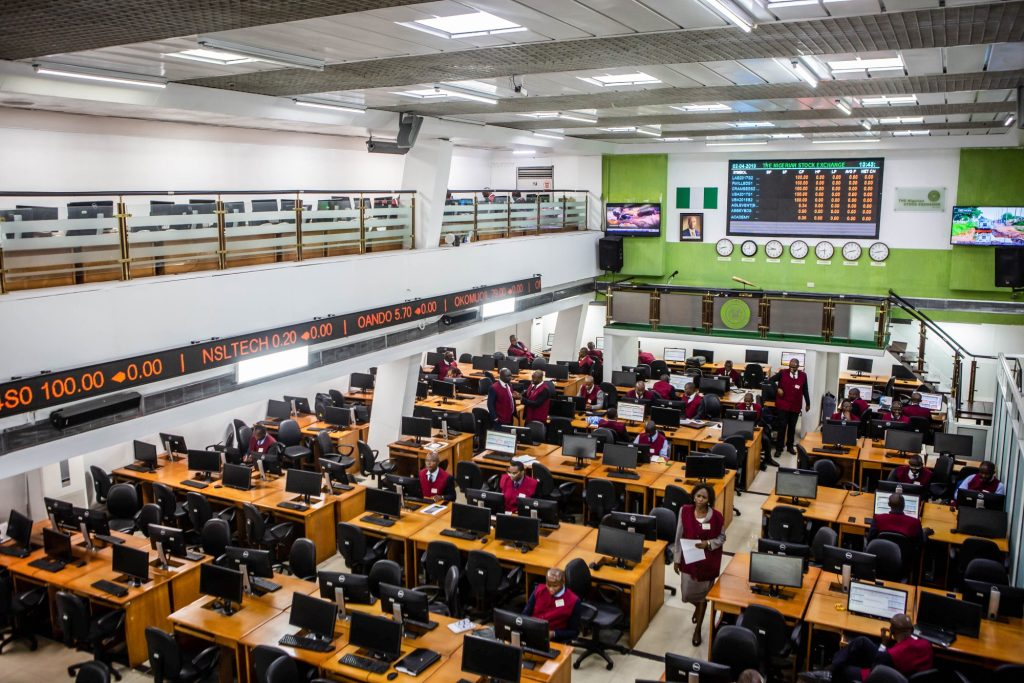
The Nigerian Exchange Limited (NGX) recorded a sharp rise in foreign investment activity in the first quarter of 2026, with inflows climbing by 78 percent to N393.68 billion compared to N221.62 billion in the same period of 2025. The increase, announced in the NGX Domestic and Foreign Portfolio Participation in Equity Report released yesterday, signals renewed investor interest in Nigeria’s capital market.
However, the surge in inflows was accompanied by a significant rise in capital exit. Foreign outflows grew by 31.2 percent to N420.37 billion Year-to-Date (YtD), up from N320.37 billion in 2025. This dual trend suggests that while more foreign funds are entering the market, a substantial portion is also being withdrawn, reflecting cautious sentiment among international investors.
On a monthly basis, total transactions on the Exchange rose by 13.10 percent to N1.744 trillion (about $1.26 billion) in March, compared to N1.542 trillion (about $1.13 billion) in February. Despite the uptick in foreign transactions, domestic investors continued to dominate market activity. In March 2026, domestic investors accounted for about 66 percent more in transaction value than their foreign counterparts, reaffirming their pivotal role in sustaining market momentum.
A breakdown of month-on-month performance revealed contrasting trends between domestic and foreign investors. Domestic transactions rose modestly by 3.72 percent, from N1.403 trillion in February to N1.456 trillion in March. In contrast, foreign transactions recorded a sharp increase of 107.74 percent, rising from N139.03 billion (about $101.97 million) to N288.82 billion (about $208.28 million).
Within the domestic segment, institutional investors maintained dominance over retail investors. In March 2026, institutional activity exceeded retail transactions by 26 percent. Retail transactions dipped slightly by 1.30 percent to N541.37 billion from N548.50 billion in February, while institutional transactions grew by 6.95 percent to N914.23 billion from N854.83 billion.
This pattern underscores the continued influence of institutional investors in shaping market direction, while retail participation remains steady but comparatively smaller. Analysts note that institutional investors often provide stability through long-term strategies, while retail investors tend to react more quickly to short-term market movements.
The surge in foreign inflows highlights renewed confidence in Nigeria’s capital market, possibly driven by policy reforms, macroeconomic adjustments, or improved corporate performance. However, the simultaneous rise in outflows indicates lingering concerns among foreign investors about risks such as currency volatility, inflationary pressures, and political uncertainty.
For domestic investors, their continued dominance reflects resilience and commitment to the local market, even amid global uncertainties. The strong presence of institutional investors suggests that pension funds, asset managers, and other large players remain confident in the long-term prospects of Nigerian equities.
Globally, Nigeria’s performance is being closely watched as emerging markets compete for foreign capital. The balance between inflows and outflows will be critical in determining whether Nigeria can sustain investor confidence and attract more stable, long-term foreign investment.
Looking ahead, market observers expect that policy clarity, macroeconomic stability, and regulatory reforms will play a decisive role in shaping investor sentiment. The government’s efforts to strengthen fiscal discipline, stabilize the naira, and improve transparency in the financial sector could help reduce outflows and encourage longer-term commitments from foreign investors.
For domestic investors, particularly institutions, the challenge will be to maintain their leadership role while encouraging greater retail participation. Expanding financial literacy and access to investment platforms could help broaden the investor base and deepen market liquidity.
As Nigeria prepares for the remainder of 2026, the NGX will remain a key barometer of investor confidence. The interplay between foreign inflows and outflows, alongside domestic dominance, will determine not only the health of the capital market but also its contribution to broader economic growth.