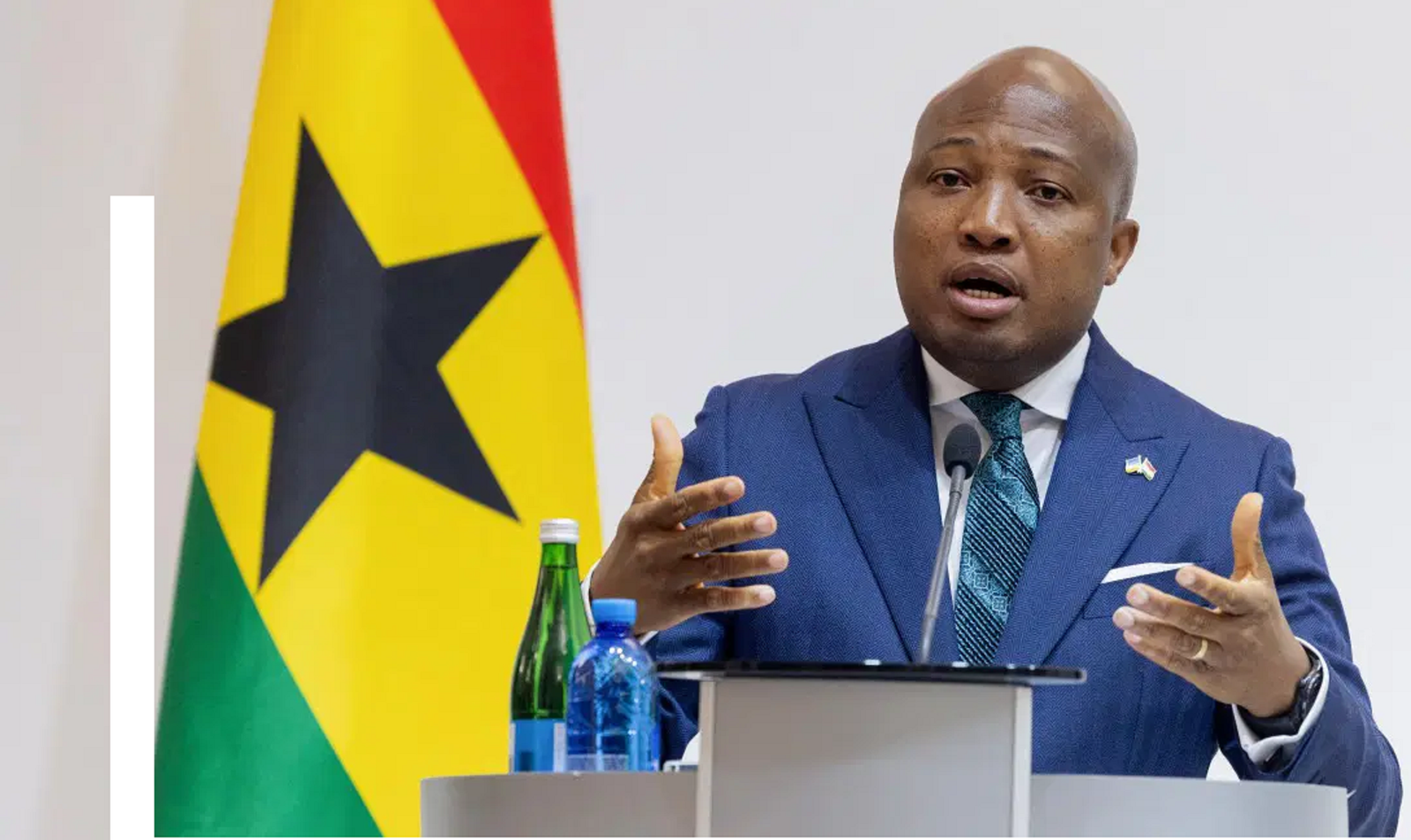
Ghana’s Ministry of Foreign Affairs has summoned South Africa’s envoy in Accra following reports of xenophobic incidents targeting Ghanaian nationals. The move, announced late Thursday, comes after videos circulated online showing Ghanaians being harassed in South Africa, including one case in KwaZulu-Natal province where a legal resident was told to “return home and fix his country.”
South Africa, the continent’s most industrialized economy, has long attracted migrants from across Africa, both legal and undocumented, seeking employment opportunities. However, with unemployment rates exceeding 30 percent, the country has witnessed recurring waves of xenophobic protests and violence against foreign nationals. These tensions have periodically flared into attacks, prompting diplomatic concerns from neighboring states whose citizens live and work in South Africa.
According to official statistics from 2022, South Africa hosts approximately 2.4 million foreign-born residents, representing about four percent of its population. Migrants contribute to various sectors of the economy, but they have also become targets of resentment amid economic hardship and competition for jobs.
Foreign Minister Samuel Okudzeto Ablakwa, who led the diplomatic engagement, highlighted Ghana’s historical solidarity with South Africa during the anti-apartheid struggle. In his meeting with South Africa’s acting High Commissioner, Thando Dalamba, Ablakwa emphasized that harassment of law-abiding migrants undermines the principles of African unity.
“The unprovoked harassment and attacks on law-abiding individuals are contrary to the principles of African solidarity,” the ministry’s statement read. Ablakwa also warned of escalating tensions, advising Ghanaian nationals in South Africa to remain indoors for their safety.
The Ghanaian government’s swift action reflects growing concern over the welfare of its citizens abroad and signals a demand for accountability from South African authorities.
The incidents highlight a persistent challenge across Africa: balancing domestic economic pressures with the continent’s broader vision of integration and solidarity. Xenophobic attacks in South Africa have historically strained relations with other African nations, undermining efforts to foster cooperation through platforms such as the African Union and the African Continental Free Trade Area (AfCFTA).
For Ghana, the harassment of its nationals raises questions about the safety of migrants and the responsibility of host countries to protect foreign residents. It also underscores the vulnerability of African workers who, despite contributing to local economies, often face hostility during periods of economic downturn.
The broader implications extend beyond Ghana and South Africa. Migrant communities from Nigeria, Zimbabwe, Mozambique, and other countries have also faced similar hostility in South Africa. Such incidents risk damaging regional ties and could hinder collaborative efforts in trade, security, and development.
Foreign Minister Ablakwa’s remarks sought to remind South Africa of Ghana’s historical support during apartheid, framing the issue as one of moral responsibility and continental solidarity. His emphasis on unity reflects Ghana’s broader diplomatic stance of promoting cooperation across Africa.
Meanwhile, South African officials have yet to issue a detailed public response to Ghana’s concerns. The engagement with Ghana’s foreign ministry suggests that Pretoria may be pressed to address the issue more directly in the coming days.
The Ghanaian government has indicated that it will continue monitoring the situation closely and expects South Africa to take steps to protect foreign nationals. The outcome of these diplomatic exchanges could determine whether tensions ease or escalate further.
Observers note that South Africa faces a delicate balancing act: addressing domestic economic frustrations while ensuring the safety and rights of foreign residents. Failure to act decisively could invite broader diplomatic fallout and weaken regional cooperation.
For now, Ghanaian nationals in South Africa have been urged to exercise caution, while both governments prepare for further dialogue. The coming weeks will reveal whether the issue can be resolved through diplomatic channels or whether it will deepen existing strains in African