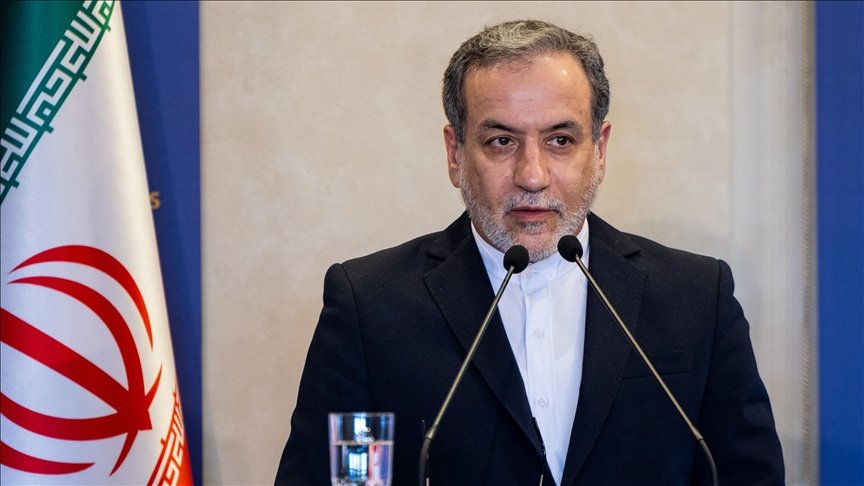
Iran has said the United States has agreed “in principle” to a 10-point proposal designed to bring an end to the ongoing conflict, according to reports from state media.
The Islamic Republic of Iran Broadcasting (IRIB) quoted a statement from Iran’s Supreme National Security Council, which said the proposal would guide negotiations set to begin soon. The aim of the talks is to reach a broader agreement that would formally end the war.
Details released by IRIB indicate that the plan includes assurances of non-aggression, Iran’s continued authority over the Strait of Hormuz, and acceptance of its right to uranium enrichment. The proposal also seeks the lifting of all US sanctions, the cancellation of measures by the UN Security Council and the International Atomic Energy Agency, payment of compensation, and the exit of US combat troops from the region.
Iran’s security council noted that a final agreement would depend on the fulfilment of these conditions and the outcome of detailed discussions. It also stated that navigation through the Strait of Hormuz would remain secure during the negotiation period, with coordination from Iranian armed forces.
Talks are expected to open on Friday in Islamabad, where Pakistan will serve as mediator. The process could continue for up to two weeks.
US President Donald Trump had earlier indicated that American attacks on Iran would be paused for the same duration. He described the proposal as a “workable basis” for discussions.
Further reports in Iranian media say the proposal calls for an end to fighting across all fronts, including Lebanon, and outlines a wider framework for a lasting settlement.
The New York Times reported that the plan was transmitted through Pakistani intermediaries and is intended to act as a comprehensive roadmap for ending the conflict permanently.
The proposal also suggests reopening the Strait of Hormuz to global shipping, with a fee of $2 million per vessel to be shared between Iran and Oman. Rather than direct compensation, Iran would channel its share of the revenue into rebuilding infrastructure damaged during recent strikes.