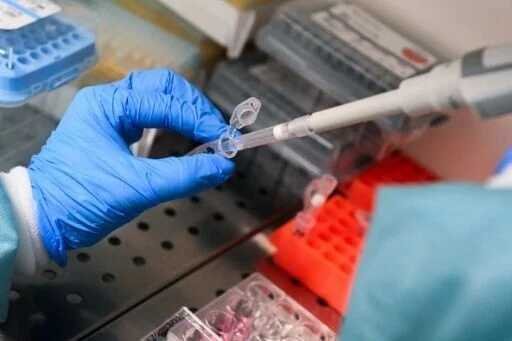
Researchers have announced promising advances in the treatment of pancreatic cancer, a disease long considered one of the deadliest forms of cancer. After decades with little progress, new drugs and therapies are showing potential to extend survival for patients.
A Deadly Cancer with Few Options
Pancreatic cancer is highly aggressive. Only about 10 percent of patients survive beyond five years after diagnosis. Cases are rising worldwide, particularly among younger adults, and experts project it will become the second leading cause of cancer deaths in developed countries, after lung cancer.
Patrick Mehlen, a researcher at France’s Leon Berard cancer centre, noted that for 40 years there was virtually no medical progress. Increased funding and research in the past decade, however, have begun to change the outlook.
Daraxonrasib: Targeting KRAS
The most significant breakthrough came from Revolution Medicines, a U.S. pharmaceutical company. Its experimental drug, daraxonrasib, targets KRAS, a protein that drives tumour growth.
In clinical trials, patients taking daraxonrasib survived more than 13 months on average, compared to six months for those receiving chemotherapy. Doubling survival time is unprecedented for pancreatic cancer.
Former U.S. senator Ben Sasse, diagnosed with stage-four pancreatic cancer last year, has been taking the drug. He said doctors initially gave him a three-to-four month prognosis. After starting treatment, he reported feeling far better, though he described severe side effects, including peeling and bloody skin.
Revolution Medicines plans to seek approval for daraxonrasib in the United States. Full results from its phase 3 trial will be presented at the upcoming ASCO cancer conference in Chicago.
NP137 Antibody: Blocking Resistance
Another approach involves preventing cancer cells from developing resistance to treatment. Researchers tested NP137, an antibody designed to block this process.
In a phase 1b trial published in Nature, 43 patients with advanced pancreatic cancer received NP137 alongside chemotherapy. Results showed patients lived several months longer than expected.
Mehlen, who supervised the study, said the treatment added an average of six months to survival. Larger trials with control groups are planned later this year. Researchers hope NP137 could eventually be combined with drugs like daraxonrasib to further improve outcomes.
mRNA Vaccine: Harnessing the Immune System
A third development involves a pancreatic cancer vaccine using messenger RNA technology, similar to that used in COVID-19 vaccines. Developed by BioNTech and Genentech, the vaccine aims to train the immune system to attack cancer cells.
In a phase 1 trial, 16 patients received the vaccine. Eight showed immune responses, and seven of those were still alive six years later. Among the eight who did not respond, only two survived that long.
While phase 1 trials focus on safety rather than effectiveness, the results suggest potential. Further studies are planned to confirm whether the vaccine can reliably extend survival.
A Shift in Outlook
These developments do not represent a cure, but they mark a turning point. For decades, pancreatic cancer patients had few options beyond chemotherapy, which offered limited benefit. Now, targeted drugs, antibodies, and vaccines are opening new possibilities.
Each therapy addresses the disease differently:
- Daraxonrasib directly targets tumour growth.
- NP137 prevents resistance to treatment.
- mRNA vaccine mobilizes the immune system.
Together, they reflect a broader strategy of combining treatments to extend life and improve quality of care.
Pancreatic cancer remains one of the most challenging diseases to treat, with survival rates still low. Yet recent advances show meaningful progress. Drugs like daraxonrasib, antibodies such as NP137, and experimental vaccines are offering patients more time and hope.
Researchers caution that side effects, costs, and accessibility remain hurdles. But for patients facing a diagnosis that has long carried little chance of survival, these breakthroughs represent a rare and significant step forward