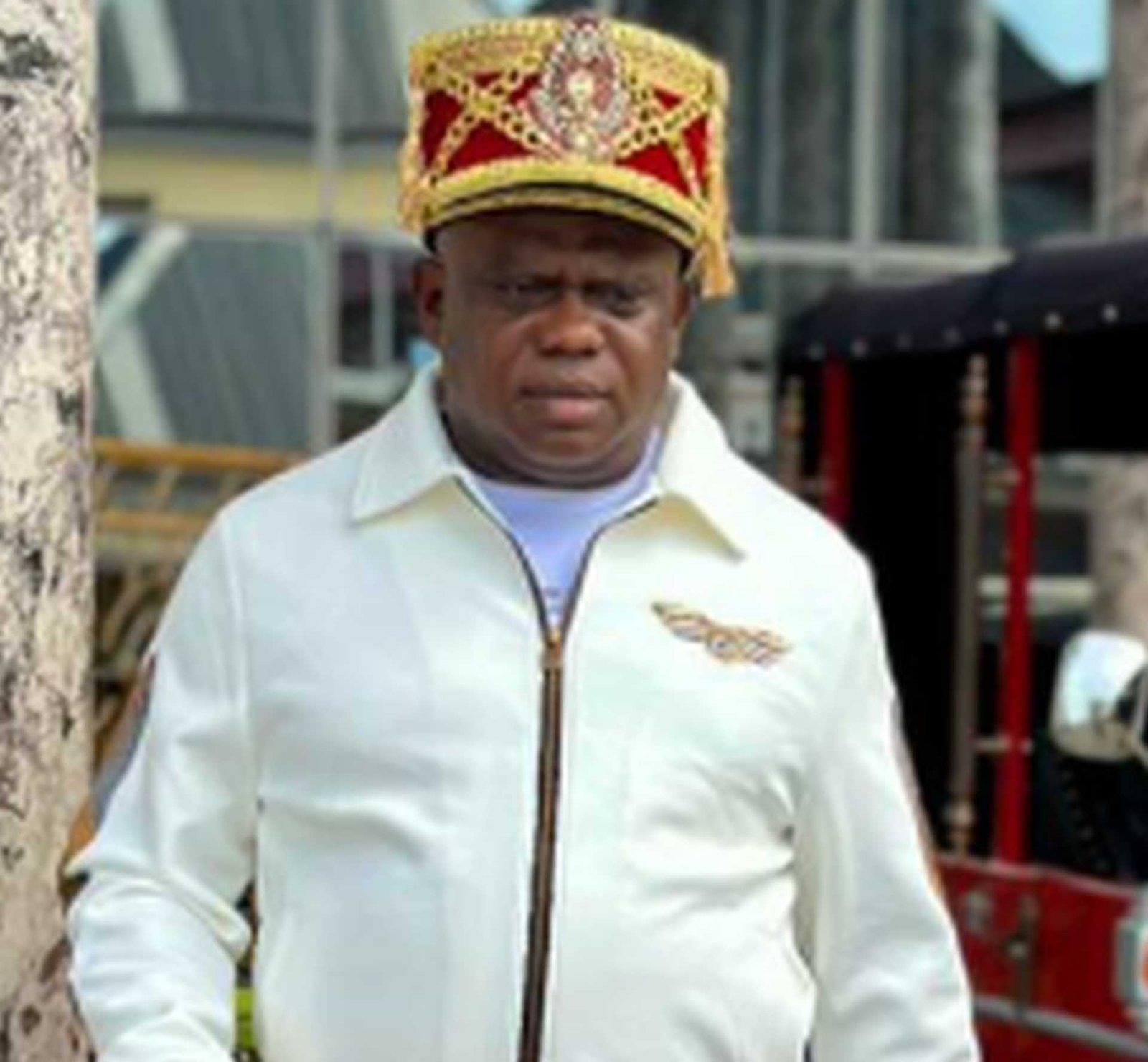
Omega Power Ministries (OPM), led by founder Chibuzor Chinyere, has developed a long‑running rehabilitation program for individuals leaving behind criminal activities. The initiative targets repentant kidnappers, armed robbers, and cult members, offering them structured support to reintegrate into society.
Chinyere explained that the program is fully financed through church tithes and offerings. No external funding is involved. According to him, the church has sustained this effort for more than 15 years, consistently channeling resources into crime reduction and community rebuilding.
The process begins when individuals are rescued from criminal camps. Chinyere stated that they voluntarily surrendered their weapons, which he handed over to the police. This step ensures accountability and cooperation with law enforcement. Afterward, participants enter a rehabilitation program that combines spiritual guidance with practical training.
The spiritual component includes baptism and counseling. Beneficiaries are formally documented by police authorities, ensuring that their transition is recognized and monitored. Chinyere emphasized that this collaboration with law enforcement strengthens trust and transparency.
Beyond spiritual renewal, the program equips participants with vocational skills. Training is provided through OPM’s free school of skills, which covers a wide range of trades. Options include furniture making, welding, tailoring, scaffolding, electrical and electronics repair, ICT, and oil and gas industry training. By offering diverse opportunities, the program aims to prepare former offenders for legal employment and self‑reliance.
Chinyere highlighted the impact of this approach. Many youths who once engaged in crime now earn a livelihood through legitimate work. He credited the program’s success to consistent church funding and community support. “For more than 15 years, God has used OPM to support the police in reducing crime,” he noted.
The initiative reflects OPM’s broader commitment to philanthropy. Chinyere has recently drawn public attention for organizing social interventions beyond crime rehabilitation. On March 29, he facilitated the marriage of a non‑verbal autistic man, popularly known as Aboy, to an older woman. The ceremony underscored his focus on inclusion and dignity for marginalized individuals.
In addition, Chinyere announced plans to arrange the marriage of one of his adopted daughters, a 21‑year‑old autistic woman named Chiemeka Chibuzor. These actions highlight his broader vision of supporting vulnerable groups, not only through rehabilitation but also through social integration.
The rehabilitation program remains the centerpiece of OPM’s crime‑reduction strategy. By combining faith, vocational training, and cooperation with law enforcement, the church has created a model that addresses both the spiritual and practical needs of former offenders. The initiative demonstrates how community institutions can play a role in tackling crime while promoting reintegration.
Chinyere’s approach is notable for its reliance on internal church resources rather than government or external funding. This independence allows OPM to sustain its programs without interruption. The church’s commitment to vocational training also reflects a recognition that crime prevention requires more than spiritual conversion; it demands economic empowerment and practical skills.
Over the years, the program has produced tangible results. Former cultists, kidnappers, and robbers have transitioned into tradespeople, technicians, and entrepreneurs. Their stories illustrate the potential of rehabilitation when faith‑based organizations combine spiritual renewal with practical education.
As crime remains a pressing issue in Nigeria, OPM’s initiative offers a distinctive model of intervention. By focusing on both moral transformation and skill acquisition, the program provides a pathway for individuals to leave crime behind and contribute positively to society.