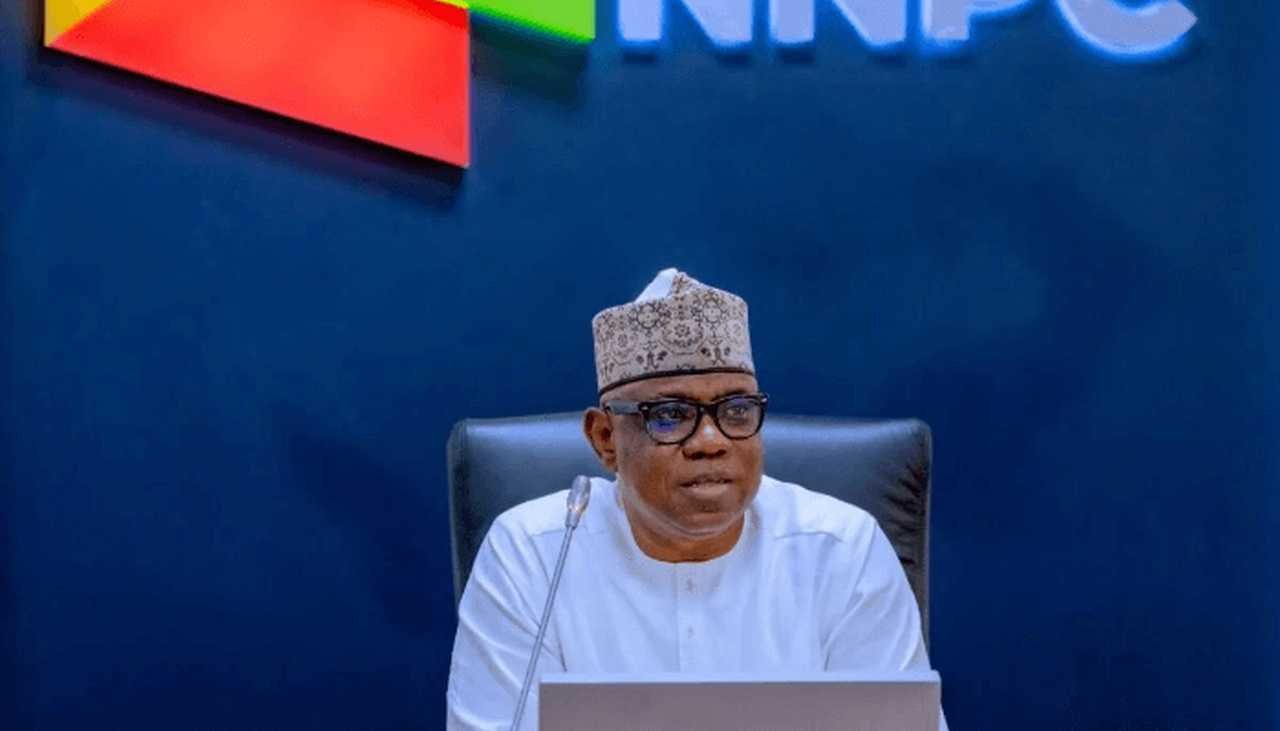
The Senate Committee on Public Accounts has directed the Nigerian National Petroleum Company Limited (NNPCL) to appear before it by April 29 to explain audit queries amounting to N210 trillion flagged between 2017 and 2023. The committee insists that the company’s management must provide detailed and transparent answers to the issues raised.
The directive was issued on Wednesday following a motion moved by Senator Osita Izunaso (Imo West) and seconded by Senator Adams Oshiomhole (Edo North). Committee Chairman Senator Aliyu Wadada (Nasarawa West) stressed that the explanations previously offered by NNPCL were inadequate. He said Nigerians deserve clear and convincing responses regarding the company’s financial records.
The committee specifically summoned Group Chief Executive Officer Bayo Ojulari, immediate past GCEO Mele Kyari, former Chief Financial Officer Umar Ajia, Dr. Bala Wunti, and the external auditors of the company. They are expected to appear together to address the audit queries.
Wadada explained that NNPCL’s response to 19 audit queries failed to provide sufficient detail. He noted that the company’s blanket explanation of N103 trillion as liabilities was unacceptable. “Liabilities have components such as retention fees, legal fees, and audit fees. Specific amounts spent on each of these components must be clearly stated and explained,” he said.
He added that NNPCL must also account for N107 trillion reportedly spent on joint venture cash calls and funds allegedly owed by defunct banks. The committee criticized the company for failing to disclose the identities of the banks involved. Wadada concluded that the company had two weeks to comply, with April 29 set as the final deadline.
Earlier in the session, Senator Abdul Ningi (Bauchi Central) urged the committee to invoke the National Assembly’s constitutional powers to compel NNPCL officials to appear. He expressed concern over repeated failures by the company to honor invitations, warning that such reluctance undermines legislative authority. “We must treat this matter with utmost seriousness. The strength of democracy rests significantly on the authority of the legislature,” Ningi said.
The audit queries, covering six years, have raised significant questions about transparency and accountability in Nigeria’s oil sector. The flagged sums include expenditures, liabilities, and transactions that auditors found questionable or insufficiently explained. Lawmakers argue that the scale of the figures demands thorough scrutiny, given the central role of NNPCL in Nigeria’s economy.
The controversy reflects broader concerns about financial management in the petroleum industry. As Nigeria’s national oil company, NNPCL controls vast resources and revenue streams. Its operations are critical to government finances, making accountability essential. The Senate’s insistence on detailed explanations underscores growing pressure on the company to improve transparency.
Stakeholders have noted that the outcome of the hearings could influence public confidence in both the oil sector and government oversight. The committee’s demand for clarity on liabilities, joint venture expenditures, and funds tied to defunct banks highlights the need for precise financial reporting.
The April 29 deadline sets the stage for a potentially decisive confrontation between the legislature and NNPCL. Lawmakers have signaled that failure to comply will not be tolerated, raising the possibility of stronger enforcement measures.
For now, the Senate has made clear that accountability in the management of N210 trillion cannot be brushed aside. The hearings are expected to provide answers to Nigerians who have long demanded greater transparency in the handling of national resources.