Senegal’s football federation has launched a fierce legal battle against the Confederation of African Football (CAF) after being stripped of its 2025 Africa Cup of Nations (AFCON) title. At a press conference in Paris on Thursday, federation president Abdoulaye Fall denounced the ruling as “the most blatant administrative scam in the history of our sport.” He vowed that Senegal would not accept the decision and introduced a team of international lawyers tasked with defending the country’s case before the Court of Arbitration for Sport (CAS).
The controversy stems from the AFCON final in Rabat on January 18. Senegal had a goal disallowed before Morocco was awarded a penalty. In protest, Senegal’s players briefly walked off the pitch, causing a 20-minute delay. They later returned and secured a 1-0 victory in extra time through a goal by Pape Gueye. Initially, CAF imposed disciplinary sanctions on both federations for unsporting behavior but did not overturn the result. However, on March 17, CAF upheld Morocco’s appeal, ruling that Senegal’s walk-off violated tournament regulations. The decision converted Senegal’s win into a 3-0 forfeit, awarding Morocco the championship.
Senegal immediately appealed to CAS, arguing that CAF’s ruling undermines the authority of referees and breaches the fundamental laws of the game. Lawyer Seydou Diagne, leading the legal team, said the case challenges the integrity of football itself. He warned that if such precedents stand, future tournaments could be decided in courtrooms rather than on the pitch. “To get stars on the shirt, you’ll need lawyers,” he remarked, referencing the stars that symbolize tournament victories.
Another lawyer, Juan de Dios Crespo-Perez, emphasized that the case goes beyond African football, touching on global sporting integrity. Swiss lawyer Serge Vittoz explained that CAS proceedings typically last nine to twelve months but noted that Senegal would request an expedited process. If granted, a ruling could come within two months, though this requires agreement from all parties.
The Senegalese government has also intervened, calling for an investigation into alleged corruption within CAF. French lawyer Pierre-Olivier Sur has been appointed to pursue inquiries that could lead to formal complaints. He suggested that evidence of misconduct may soon be presented.
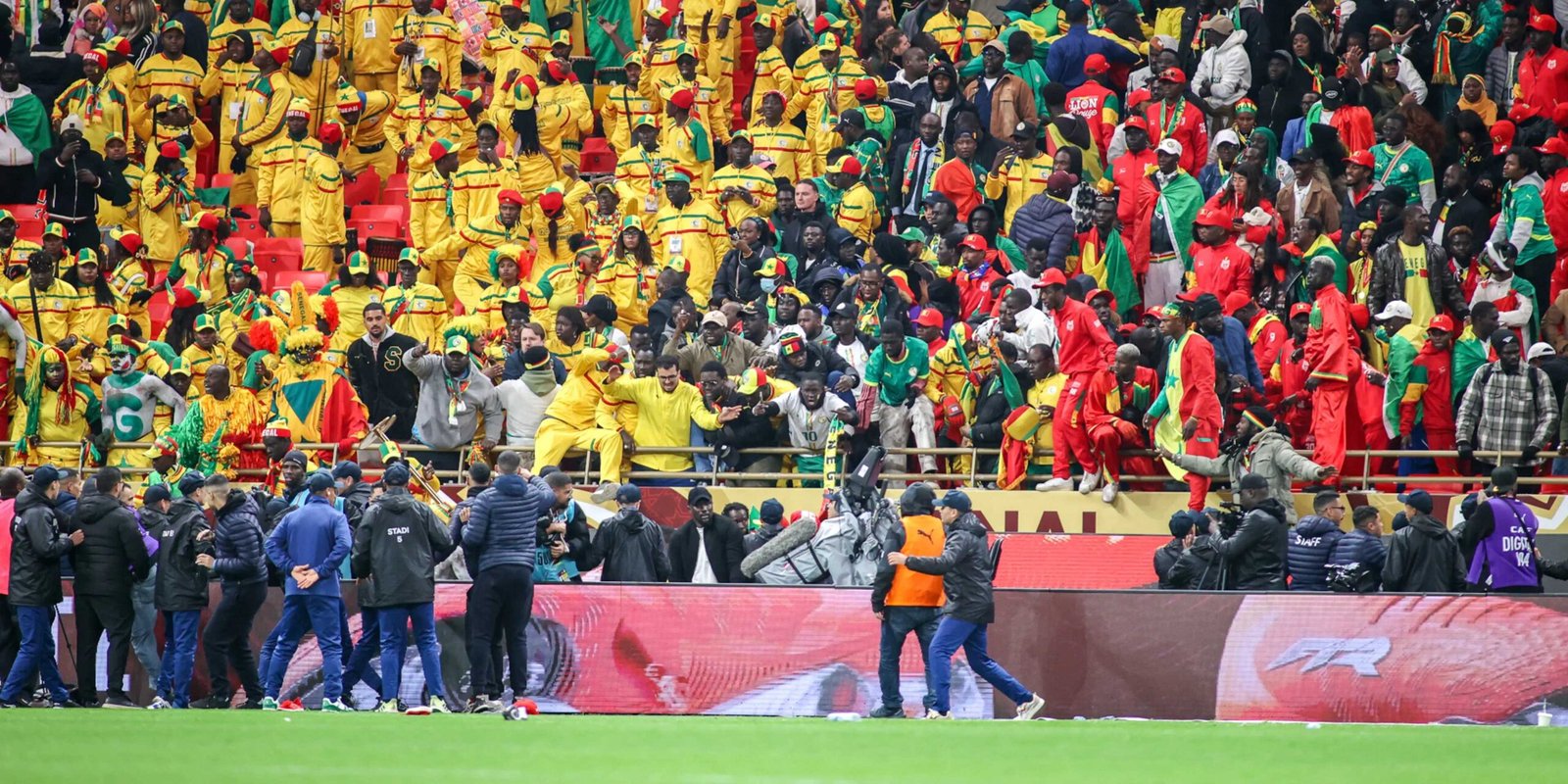
Despite CAF’s ruling, Morocco has not yet received the AFCON trophy, medals, or prize money. Senegal intends to display the trophy to its supporters during a friendly against Peru at the Stade de France, underscoring its refusal to recognize CAF’s decision. Fall insisted that Senegal’s honor and credibility are at stake, framing the dispute as a fight for fairness in sport.
The case highlights deep tensions within African football governance. CAF’s reversal of the final result has drawn criticism for undermining the principle that referees’ decisions are final. Senegal’s lawyers argue that overturning a match outcome sets a dangerous precedent, eroding trust in the rules of the game. They contend that the federation is being unfairly punished for a protest that ultimately did not prevent the match from being completed.
For Senegal, the stakes are both symbolic and practical. The team’s victory was celebrated as a triumph of resilience, and losing the title through administrative action has provoked outrage among fans and officials. The federation’s legal challenge seeks not only to restore the trophy but also to defend the credibility of African football on the international stage.
As the case moves forward, CAS will be asked to weigh questions of fairness, governance, and the limits of regulatory authority in sport. The outcome could shape how disputes are handled in future tournaments, both in Africa and globally. For now, Senegal remains defiant, determined to fight what it sees as an unjust decision and to preserve the legitimacy of its AFCON triumph.