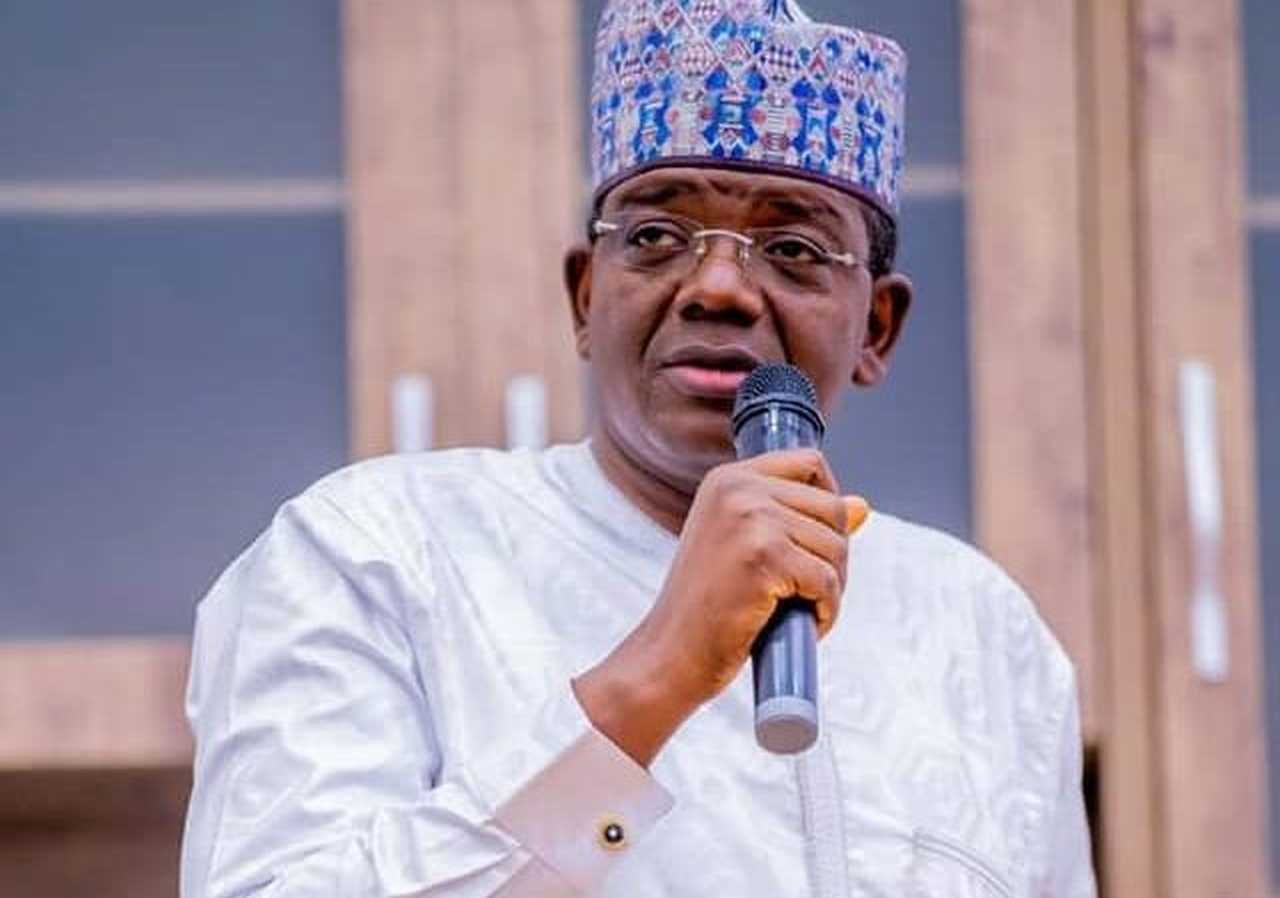
A United States lawmaker, Kimberly Daniels, has called on President Bola Tinubu to redeploy or remove Nigeria’s Minister of State for Defence, Bello Matawalle, citing concerns highlighted in a recent security assessment. Daniels, who represents Florida and serves as chairwoman of the United World Congress of Diplomats, appealed in a statement posted on her Facebook page.
Her intervention comes amid renewed violence in Nigeria’s North-Central and North-West regions. During the 2026 Easter period, attacks in Plateau, Kaduna, and Nasarawa states left several people dead, including worshippers targeted during Palm Sunday and Easter services. Daniels said the assessment reviewed Nigeria’s security leadership and raised questions about its effectiveness in addressing the escalating crisis.
According to her, testimonies from survivors and community leaders revealed a gap between official assurances and the realities faced by citizens. The report flagged Matawalle’s continued presence in office as problematic, citing alleged links with bandit groups during his tenure as governor of Zamfara State and doubts about his security expertise.
Daniels urged the Nigerian government to conduct a leadership review within the defence ministry. She argued that removing or redeploying Matawalle would help restore public confidence in the country’s security apparatus. “The results of the assessment urge President Tinubu to look inward and remove elements that compromise national security. Specifically, immediate leadership review. The removal or redeployment of Minister Bello Matawalle to restore the integrity of the defence ministry,” she stated.
She also called for a transparent investigation into allegations of high-level complicity in banditry. In addition, she appealed for stronger protection of vulnerable communities and urged the United States and other international partners to increase diplomatic pressure on Nigeria to ensure accountability for individuals accused of aiding terrorism.
Daniels explained that her position was influenced by direct appeals from Nigerian citizens. She noted her personal connection to the country as a minister of the Gospel and her role as chairwoman of the United World Congress of Diplomats. “Based on the referenced report, the attacks against believers in Northern Nigeria are allegedly protected by leadership from the inside. The greatest form of terrorism a person can experience is terror that comes from homegrown, familiar enemies. When the people you trust to protect you work undercover with others who want to harm you, it must be devastating,” she said.
She further referenced House Resolution 761 in the Florida legislature, which supports redesignating Nigeria as a country of particular concern over religious freedom. The resolution has received bipartisan support, reflecting growing international attention to Nigeria’s security and human rights challenges.
Nigeria continues to grapple with widespread insecurity, particularly in rural communities where armed groups and bandits operate with increasing boldness. The persistence of attacks has raised doubts about the effectiveness of current strategies and leadership within the defence sector.
Efforts to reach Matawalle for comment were unsuccessful. Calls to his phone went unanswered, and he did not respond to a text message seeking his reaction.
Daniels’ intervention underscores the international dimension of Nigeria’s security crisis. Her call for leadership changes and investigations adds to domestic pressure on the government to address allegations of complicity and improve protection for citizens. As violence persists, the debate over accountability and leadership within Nigeria’s defence establishment is likely to intensify.