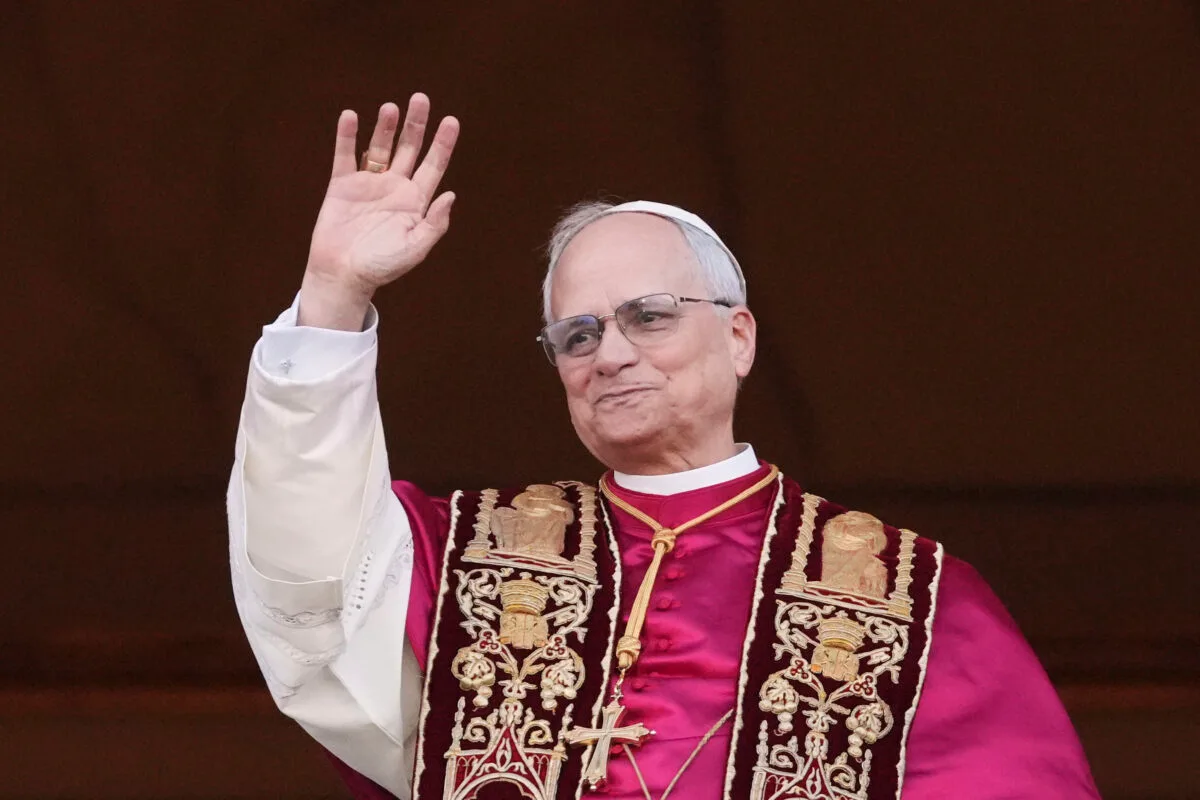
Evelio Menjivar-Ayala is now a bishop, and has been appointed by Pope Leo XIV to lead the Diocese of Wheeling-Charleston in West Virginia. This decision was announced by the Vatican this past Friday and marks a significant change for Catholic leadership within the US.
The 55-year-old Menjivar-Ayala is a current auxiliary bishop in Washington. In 1990, he fled El Salvador and escaped an impending civil war; he was imprisoned in Mexico and later crossed into the US near Tijuana, reflecting the suffering experienced by many migrant refugees.
Menjivar-Ayala became a priest in 2004, a bishop in 2023, and speaks three languages including English, Spanish, and Italian. West Virginia is the first diocese that he will lead; this region is among the poorest in America.
He has spoken of his experience being a refugee and the strength it requires. His appointment represents the Vatican’s support for leaders that have been formed in times of difficulty and that have had migrant experiences.
This appointment comes only a few weeks after Pope Leo XIV’s conflict with US President Donald Trump on both Middle Eastern policy and the topic of immigration. Pope Leo has deemed the president’s threats of Iran “unacceptable” and strongly criticized the US approach to immigration. Trump countered on Twitter by deeming the pope “weak on crime,” and “terrible for foreign policy.” He insisted he did not want “a pope who thinks it’s OK for Iran to have a nuclear weapon.” This demonstrates the tension that has existed between the Vatican and the current administration concerning immigration. Donald Trump has continuously expressed the desire for mass deportations, whereas Pope Leo XIV has emphasized the need for compassion and proper care for all migrants.
Archbishop Paul Coakley, president of the US Conference of Catholic Bishops, addressed the US, and the United States in general, noting a “climate of fear and polarization” within the country. A supporter of Pope Leo XIV, Cardinal Joseph Tobin from Newark, pleaded for Americans to support efforts within Congress to ensure that Immigration and Customs Enforcement (ICE) be stripped of funding for its mass crackdown on migrants.
Menjivar-Ayala’s appointment to bishop holds significant symbolic weight. His personal struggle as a refugee to bishop serves as an indicator of the experiences of millions of people around the world. His role as leader in West Virginia will focus attention on social justice, inclusion and poverty. The decision also stands in opposition to many anti-immigrant sentiments, with it serving as proof that leadership within the Catholic Church is dependent upon faith and not immigration status.