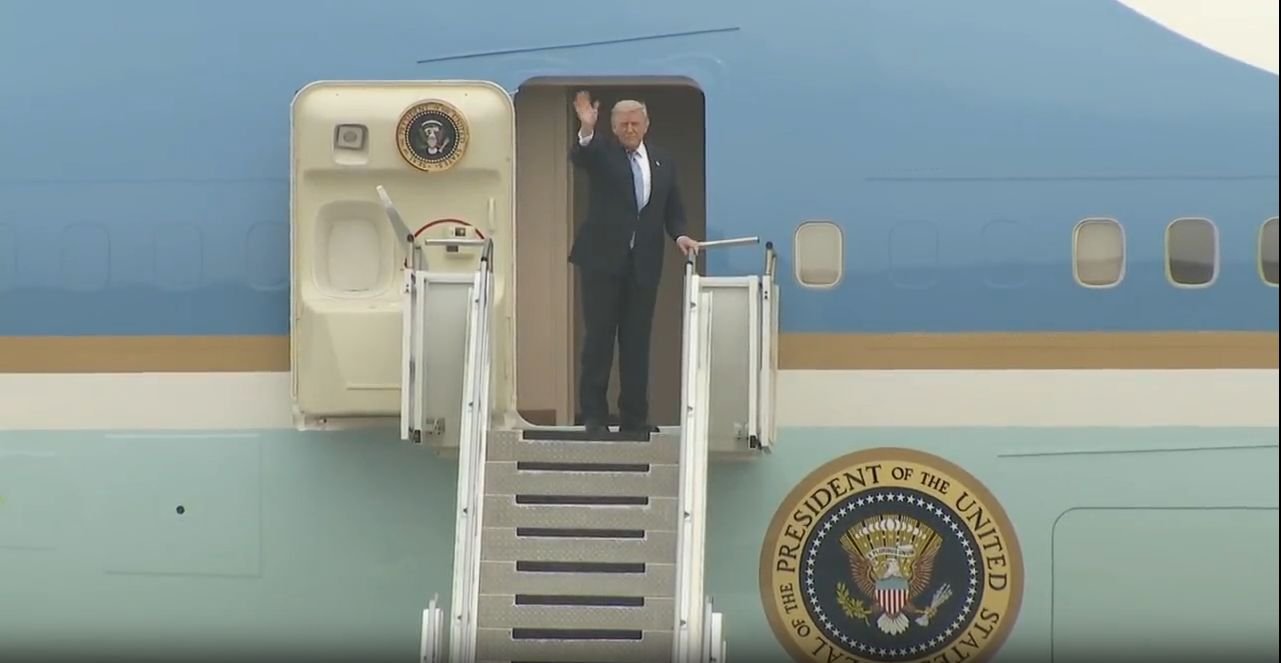
U.S. President Donald Trump wrapped up a high-stakes summit in Beijing with Chinese leader Xi Jinping, declaring that “a lot of different problems” had been addressed. Yet, despite the optimistic tone, no major agreements were announced, leaving critical issues such as Iran, Taiwan, and trade unresolved.
The summit, billed as a historic encounter with global consequences, ended with both leaders emphasizing dialogue but offering little in the way of concrete breakthroughs. Trump told reporters that progress had been made, though he acknowledged that substantive deals on the most contentious matters were still pending.
Iran and Nuclear Concerns
One of the central topics was Iran’s nuclear ambitions. Trump said he and Xi agreed that Tehran must not be allowed to develop nuclear weapons. He underscored that while the United States does not rely heavily on the Strait of Hormuz, China’s dependence on the waterway makes stability in the region more critical for Beijing. “We don’t need the Strait of Hormuz opened at all—or as much as China does,” Trump remarked, highlighting the differing strategic stakes for the two powers.
China’s foreign ministry struck a more critical tone, stating that the conflict involving Iran “should never have happened.” The comment reflected Beijing’s broader position that military escalation in the Middle East undermines global stability and economic growth.
Taiwan as a Flashpoint
Taiwan emerged as another focal point of the summit. Xi Jinping warned Trump that the island represents the most sensitive issue in U.S.-China relations. He cautioned that mishandling the matter could lead to a “highly dangerous situation.”
In response, U.S. officials reiterated that Washington’s policy toward Taiwan remains unchanged. Secretary of State Marco Rubio emphasized continuity, signaling that the United States would maintain its longstanding approach without bowing to Beijing’s pressure. The exchange underscored the deep divide between the two nations on Taiwan, a self-governing democracy that China claims as its territory.
Trade Still Unsettled
Trade tensions, a recurring theme in U.S.-China relations, also featured prominently in the discussions. Trump suggested that progress had been made but stopped short of announcing any new agreements. The lack of detail left observers questioning whether the summit had achieved tangible results or simply postponed difficult decisions.
Both leaders face domestic and international pressures to manage the economic rivalry. For Trump, securing concessions from China remains a priority as he seeks to bolster U.S. manufacturing and reduce trade deficits. For Xi, maintaining economic stability while resisting U.S. demands is crucial to preserving China’s global standing.
A Summit of Symbolism
While the summit produced no landmark accords, it carried symbolic weight. The meeting demonstrated that Washington and Beijing remain willing to engage directly despite their differences. Analysts noted that the discussions highlighted the complexity of balancing cooperation with competition in the world’s most consequential bilateral relationship.
Trump’s assertion that “a lot of different problems” were settled suggested optimism, but the absence of concrete announcements left many skeptical. The summit’s outcome reflects the reality that issues such as nuclear proliferation, Taiwan’s status, and trade disputes are deeply entrenched and unlikely to be resolved in a single meeting.
Global Implications
The summit’s focus on Iran, Taiwan, and trade underscores the far-reaching impact of U.S.-China relations. Decisions made in Beijing reverberate across the globe, influencing security in the Middle East, stability in Asia, and the health of the international economy.
For Iran, the joint stance against nuclear weapons signals continued pressure but leaves questions about enforcement. For Taiwan, the warnings from Xi highlight the risk of escalation if diplomatic missteps occur. And for trade, the lack of agreements prolongs uncertainty for businesses and markets worldwide.
Looking Ahead
As the summit concluded, both leaders sought to project confidence while leaving room for future negotiations. Trump’s remarks suggested that while progress had been made, the most difficult issues remain unresolved. Xi’s warnings on Taiwan and criticism of the Iran conflict underscored China’s determination to assert its priorities.
The coming months will reveal whether the summit laid the groundwork for meaningful agreements or simply highlighted the enduring challenges in U.S.-China relations. For now, the world watches as Washington and Beijing navigate a relationship that is at once cooperative, competitive, and fraught with potential flashpoints.