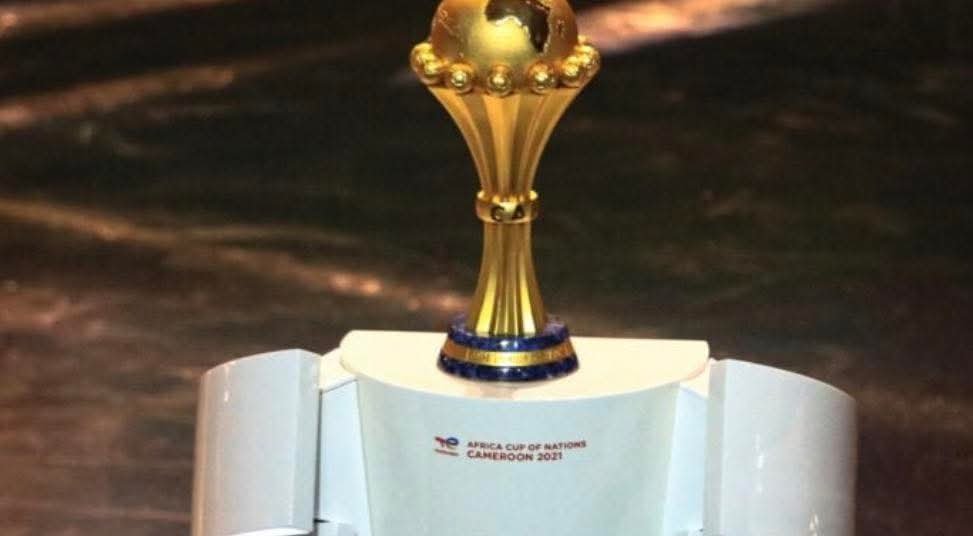
The Confederation of African Football (CAF) has announced a major shift in the continent’s football calendar, confirming that the Africa Cup of Nations (AFCON) will now be staged every four years instead of the traditional two-year cycle.
The decision was revealed by CAF President Patrice Motsepe during a press conference on Saturday following an executive committee meeting in Morocco, held on the eve of the opening of AFCON 2025.
Motsepe said the move is part of broader reforms aimed at improving the quality, commercial value, and global competitiveness of African football. He also disclosed that CAF is considering the introduction of an African Nations League, a competition similar in structure to those already operating in Europe and other regions.
According to CAF, the four-year AFCON cycle is expected to ease congestion in the football calendar, allow better preparation for national teams, and enhance the tournament’s prestige. The change is also likely to align AFCON more closely with other major international competitions such as the FIFA World Cup and continental championships elsewhere.
“The objective is to grow African football sustainably, improve player welfare, and create competitions that attract greater global attention,” Motsepe said while addressing journalists.
The proposed African Nations League would provide more competitive fixtures for national teams outside major tournaments, offering additional opportunities for development, ranking, and commercial growth.
While details regarding the format, timeline, and qualification pathways for the Nations League are yet to be finalised, CAF indicated that consultations with member associations and key stakeholders will continue in the coming months.
The announcement has already sparked debate across the continent, with fans, players, and football administrators weighing the potential benefits and challenges of the new structure.
AFCON 2025, which begins this weekend, will proceed under the existing format, with the four-year cycle expected to take effect in subsequent editions once fully ratified and implemented.