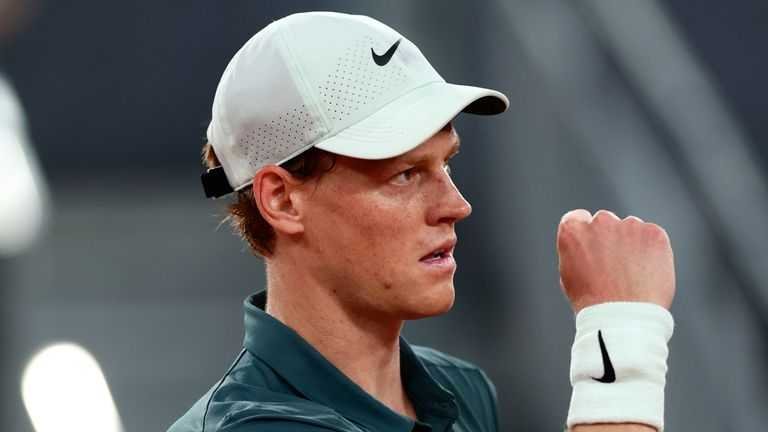
Leading tennis players are pressing for sweeping reforms in how the sport is governed, financed, and scheduled. Their demands center on prize money distribution, respect in negotiations, and greater influence over decision-making. World number ones Jannik Sinner and Aryna Sabalenka have emerged as prominent voices, warning that patience is running thin and hinting at drastic measures if progress stalls.
The Core Dispute
The conflict is not solely about money. Players argue that they are treated dismissively in talks with Grand Slam organizers. Sinner, speaking ahead of the Italian Open in Rome, said athletes “don’t feel respected” and stressed that the issue affects both men and women.
He explained that players contribute significantly to the sport’s global appeal yet receive little in return. “It’s more about respect. I think we give much more than what we are getting back,” he said. His comments reflect broader frustration among top athletes who believe their voices are ignored.
Collective Push for Reform
The movement is led by a coalition of the top 10 men’s and women’s players. Sabalenka recently suggested that a boycott of a Grand Slam could be considered if negotiations fail. While no player has committed to such action, the possibility underscores the seriousness of their demands.
The group’s priorities include:
– A larger share of revenues from the four Grand Slam tournaments.
– Improved benefits and contributions to player welfare.
– Greater input on scheduling decisions.
– Establishment of a formal player council to represent athlete interests.
Revenue Sharing Dispute
At the heart of the debate is prize money allocation. Players claim current proposals offer only about 9.5% of tournament revenues, far below their expectation of roughly 22%. They argue that the disparity undervalues their role in generating the sport’s income.
Sinner expressed frustration that months of negotiations have yielded little progress. “We wrote a letter, and it’s not nice that after one year we are not even close to a conclusion,” he said. He contrasted tennis with other sports, where top athletes receive swift responses to collective demands. “If the top athletes send important letters, I truly believe that within 48 hours, you will have not only a response but also a meeting,” he added.
Meetings and Stalemate
Discussions have taken place between player representatives and Grand Slam officials. However, disagreements remain over revenue sharing and the creation of a player council. Organizers have resisted calls for structural changes, leaving negotiations at a standstill.
Sinner acknowledged that some players are open to more drastic measures, but he avoided firm commitments. “Of course, it’s tough to say. I cannot predict the future in a way,” he said. He emphasized that players still value the tournaments that define their careers, noting: “We also know, and we respect the tournaments because they make us bigger as athletes.”
Respect and Recognition
The debate highlights a deeper issue of recognition. Players believe they are central to the sport’s success yet excluded from meaningful decision-making. They argue that respect is shown not only through financial rewards but also through genuine dialogue and inclusion in governance.
Sinner’s remarks reflect a growing sentiment that tennis lags behind other sports in empowering athletes. The lack of progress has fueled frustration and raised questions about whether the current system can adapt to modern expectations.
Potential Escalation
The possibility of a boycott looms as a symbolic threat. While players remain cautious, the idea signals their determination to secure change. Sabalenka’s comments suggest that patience is limited, and the upcoming Grand Slam tournaments could become flashpoints.
Wimbledon and the US Open are expected to be key pressure points. If negotiations remain stalled, players may escalate their demands, forcing organizers to confront the risk of disrupted events.
Broader Implications
The dispute has implications beyond prize money. It touches on governance, athlete welfare, and the balance of power in tennis. A formal player council would give athletes a stronger voice, potentially reshaping how decisions are made.
Improved benefits and scheduling reforms could also address long-standing concerns about player health and workload. Athletes argue that current systems prioritize commercial interests over their well-being, leading to burnout and injuries.
Tennis has long faced criticism over its governance structure. The four Grand Slam tournaments operate independently, often prioritizing their own interests. Players have limited influence, despite being the sport’s main attraction.
Efforts to organize collectively have gained momentum in recent years, reflecting broader trends in professional sports. Athletes in football, basketball, and other disciplines have secured stronger bargaining positions, prompting tennis players to demand similar recognition.
The Road Ahead
For now, discussions continue. The outcome will depend on whether organizers are willing to compromise on revenue sharing and governance reforms. Players insist that they are not seeking confrontation but respect and fairness.
Sinner’s comments suggest that athletes remain committed to dialogue, but patience is wearing thin. The next few months will be crucial in determining whether the standoff escalates or moves toward resolution.
Top tennis players are united in demanding reforms that go beyond prize money. They seek respect, recognition, and a stronger voice in shaping the sport. The dispute highlights tensions between athletes and organizers, with revenue sharing at the center.
As Wimbledon and the US Open approach, the pressure will intensify. Whether through negotiation or confrontation, the outcome will shape the future of tennis governance. For players, the message is clear: they want to be treated as partners, not just performers.