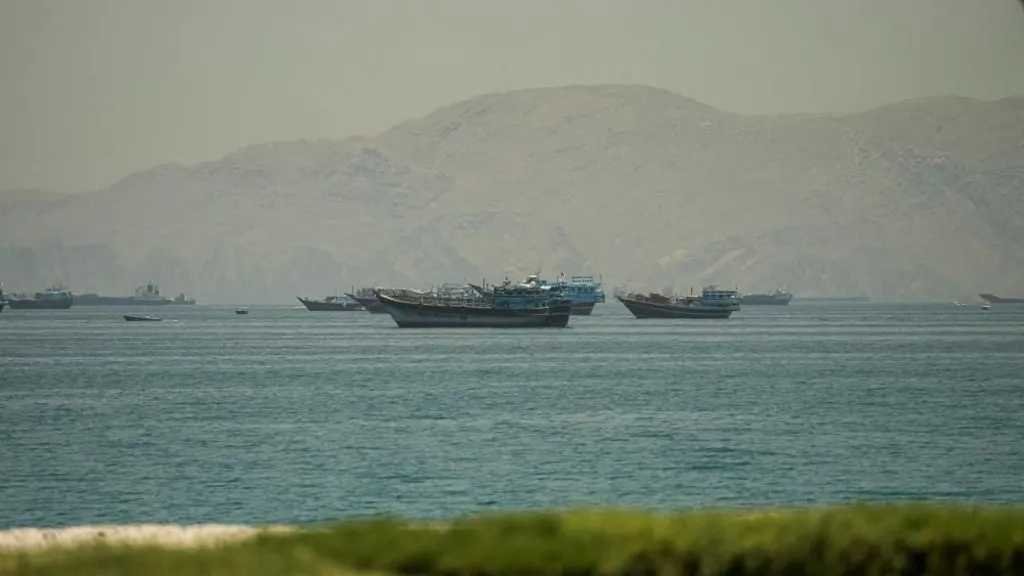
Iran has sharply condemned new US strikes, describing them as a “gross violation” of the ceasefire agreed earlier this year. The strikes targeted missile sites and boats near the Strait of Hormuz, a vital global energy route.
The US Central Command said the attacks were “self-defense strikes” aimed at preventing Iranian forces from placing mines in southern waters. Officials confirmed the strikes occurred near Bandar Abbas, a port city that hosts a major Iranian naval base.
Iran’s foreign ministry accused Washington of reckless aggression. It warned that the US would bear responsibility for the consequences of its actions. The ministry stressed that Tehran would not leave “any evil unanswered” and vowed to defend its territory.
The incident comes as negotiators attempt to extend the fragile ceasefire. Talks have been ongoing since April, when both sides agreed to halt hostilities after weeks of deadly clashes. The truce has largely held, though tensions have flared sporadically.
Iranian state media reported explosions in Bandar Abbas shortly before the US announcement. The Revolutionary Guard later claimed it had downed a US drone and fired at a fighter jet that entered Iranian airspace. The timing of these incidents remains unclear.
Diplomatic efforts continue despite the escalation. US Secretary of State Marco Rubio said progress was possible but cautioned that talks would take time. President Donald Trump initially suggested a deal was close but later urged negotiators not to rush.
Reports indicate that mediators are working on a memorandum of understanding. The proposal includes a 60-day extension of the ceasefire, reopening the Strait of Hormuz, and renewed talks on Iran’s nuclear programme. Tehran has demanded the release of frozen funds abroad as part of the deal.
Pakistan has played a central role in mediation, while Qatari officials have hosted recent discussions. Iran’s central bank governor joined talks in Doha this week, focusing on frozen assets and uranium enrichment. Western governments accuse Iran of pursuing nuclear weapons, a claim Tehran denies, insisting its programme is peaceful.
The Strait of Hormuz remains blocked, disrupting oil shipments and driving up global energy prices. Roughly one-fifth of the world’s oil supply passes through the waterway, making stability there critical to international markets.