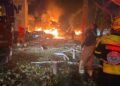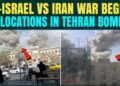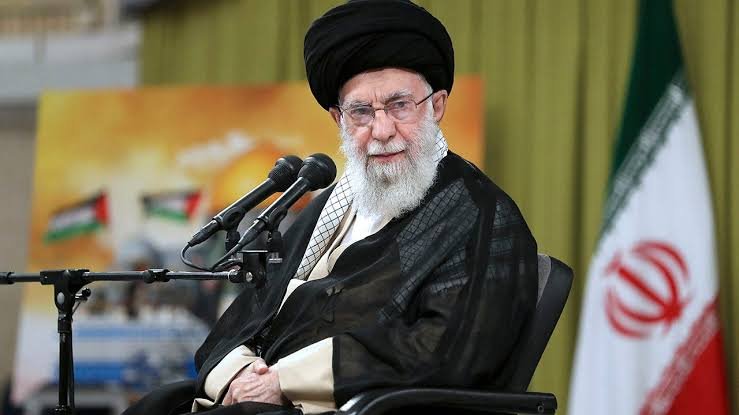
Iran’s Supreme Leader, Ali Khamenei, has reportedly been killed following coordinated military strikes carried out by the United States and Israel, according to a senior Israeli official.
The official disclosed the development to Reuters on Saturday, stating that the attacks targeted key Iranian leadership figures. However, there has been no immediate confirmation from Iranian authorities regarding Khamenei’s fate.
The strikes mark a major escalation in tensions across the Middle East. U.S. President Donald Trump said the operation was aimed at eliminating a security threat to the United States. He added that the action could also create an opportunity for Iranians to challenge their leadership.
Khamenei, aged 86, had served as Iran’s highest authority since 1989 after the death of Ruhollah Khomeini. As supreme leader, he exercised control over the country’s political, military and religious institutions. He also played a central role in shaping both domestic and foreign policies.
Israel had long viewed him as a destabilizing figure in the region. The country often cited his support for allied groups such as Hamas and Hezbollah. During a 12-day air conflict between Israel and Iran in June 2025, Israeli Defence Minister Israel Katz openly threatened his life, stating that the supreme leader “cannot continue to exist.”
That earlier conflict caused significant damage to Iran’s military structure. Israeli strikes hit underground nuclear facilities and killed several senior commanders and scientists. Analysts say the reported death of Khamenei could further weaken a country already facing economic strain and the aftermath of war.
Throughout his leadership, Khamenei maintained a strict conservative stance. He resisted reform efforts by elected officials who pushed for more open policies. Authorities under his rule suppressed protests and limited the influence of reformist groups.
Iran expanded its regional influence during his time in power. The country supported allied movements across the Middle East. Khamenei also backed the 2015 nuclear agreement negotiated with global powers under former President Hassan Rouhani. The deal temporarily reduced Iran’s international isolation. Tensions rose again after Trump withdrew from the agreement in 2018 and reimposed sanctions.
Recent developments have weakened Iran’s regional allies. Groups such as Hamas and Hezbollah have faced heavy setbacks from Israeli operations. In addition, Syrian leader Bashar al-Assad, a long-time ally of Tehran, was removed from power in December 2024.
The position of supreme leader was established after Iran’s 1979 revolution. The role holds ultimate authority over the president and parliament. A clerical body known as the Assembly of Experts is responsible for selecting the leader.
Further details are expected as reactions emerge from Tehran and the wider international community.