Israel has ordered the evacuation of Tyre, a major city in southern Lebanon, following intensified air strikes against Hezbollah positions. The directive came after the Israeli military accused the Iran-backed group of violating a US-brokered ceasefire that began in mid-April.
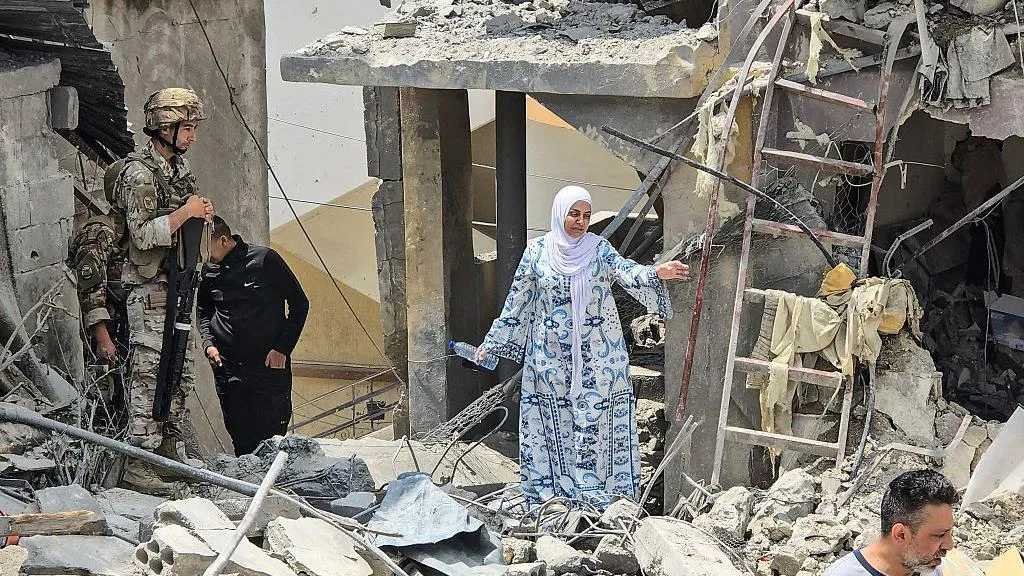
Residents were told to leave Tyre and nearby areas as Israeli jets struck targets across southern Lebanon and the Bekaa Valley. Local reports confirmed three deaths in Choukine, adding to the mounting civilian toll.
Hezbollah responded by claiming it was engaged in battles with Israeli troops north of the Litani River, roughly 30 kilometers from the border. The group also accused Israel of breaking the ceasefire, highlighting the fragile state of the truce.
The escalation followed Prime Minister Benjamin Netanyahu’s announcement of expanded ground operations. His statement came after Hezbollah drone attacks on Israeli soldiers in southern Lebanon and on civilians in northern Israel.
Diplomatic efforts to end the war face new hurdles. Iran insists that Lebanon must be included in any settlement, while Israel maintains it will continue operations against Hezbollah regardless of negotiations. The United States has been pressing for talks, but the latest developments risk derailing progress.
Lebanon was drawn deeper into the conflict in March, when Hezbollah launched rockets into Israel after an Israeli strike killed Iran’s supreme leader. Israel responded with widespread air raids and a ground invasion. Since then, exchanges of fire have continued despite repeated extensions of the ceasefire.
The human cost is rising sharply. Lebanon’s health ministry reports at least 3,213 deaths since the war began, though it does not distinguish between civilians and fighters. Israel says 23 soldiers and four civilians have been killed during the same period.
The evacuation of Tyre marks a significant escalation, raising fears of a broader humanitarian crisis. With both sides trading accusations and intensifying attacks, the prospect of a lasting peace appears increasingly remote.