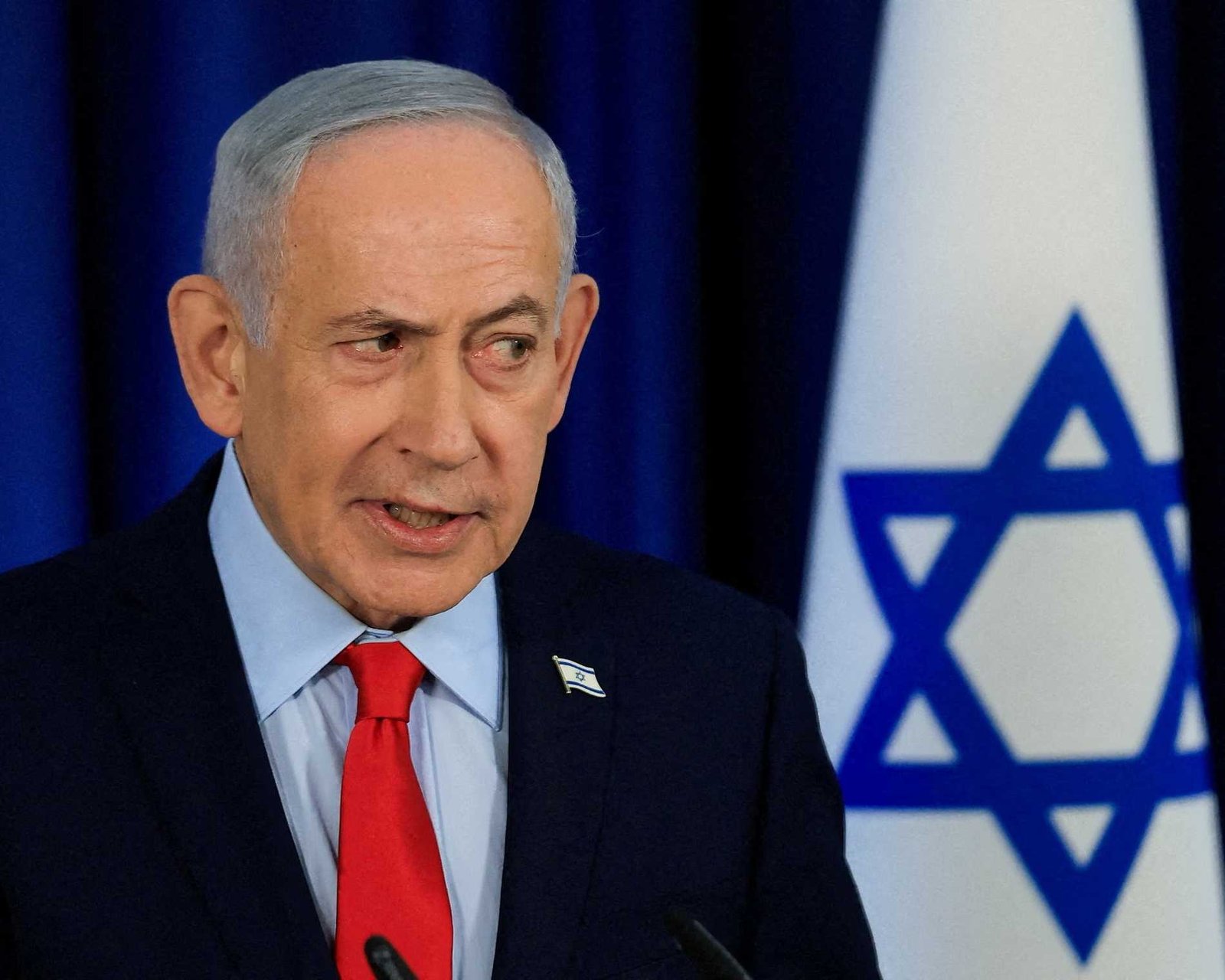
During the peak of the Iran war, Prime Minister Benjamin Netanyahu paid a secret visit to the United Arab Emirates where he met personally with President Sheikh Mohamed bin Zayed Al Nahyan, an event his office is now describing as an historic diplomatic breakthrough.
The meeting reportedly took place in Al Ain, an oasis city deep in the UAE desert near the Omani border, on March 26 and lasted several hours, Reuters reported. Netanyahu’s office confirmed the trip Wednesday as a “turning point” in Israeli-Emirati relations, though the UAE foreign ministry denied the visit took place entirely “baselessly”.
This contradiction between the official accounts of the governments does little to undermine what’s emerging: an undeclared but intensifying security alliance between Israel and the UAE forged during an escalating regional conflict with Iran.
Intelligence chiefs, Iron Dome batteries and secret strikes
The Prime Minister wasn’t the only high-ranking official involved from either side. The head of Israel’s Mossad spy agency, David Barnea, made at least two visits to the UAE during the conflict in an effort to coordinate military operations, according to a source speaking to Reuters. The visit by Barnea, first reported by The Wall Street Journal, has since been corroborated by other officials.
The military cooperation, however, went beyond the realm of intelligence sharing: Israel had placed Iron Dome air defense batteries and military personnel in the UAE during the course of the war, it was revealed Tuesday by U.S. Ambassador to Israel Mike Huckabee. It showed how far the security pact between the two Middle East neighbors had come:
“There’s an extraordinary relationship between the UAE and Israel,” Huckabee said Tuesday, at a speech given at The Jerusalem Post Diplomatic Conference.
Indeed, that relationship seems to have an offensive element as well. The Wall Street Journal said the UAE launched secret strikes on Iran including a missile attack on a refinery on the island of Lavan, near the southern coast of the country, in early April. The strikes, reportedly in response to Iranian attacks on the UAE, marked a serious escalation which could draw other Gulf states further into a war, in which they claim to have no part.
From the Abraham Accords to a de facto Military Alliance
The foundations of the new alliance can be found in 2020, when the UAE was the first Gulf country to formalize diplomatic ties with Israel in the context of the Abraham Accords. Since then, Bahrain, Sudan and Morocco have also signed normalization deals. However, the UAE’s relations with Israel appear to have advanced considerably beyond its fellow signatories’ and is becoming a true working defense relationship from a diplomatic one.
The Emirati approach reflects an overarching shift in its foreign policy. Abu Dhabi has been deliberately and quietly loosening its relationship with the Saudi-led Regional leadership. Its withdrawal from the Saudi-dominated OPEC oil cartel earlier this month is evidence of its increasing independence from Saudi Arabia’s influence in the global markets and, with it, a growing capacity for the country to act independently.
Common interests, Common Vulnerabilities
It is crucial to note that the ties between Israel and the UAE were undoubtedly strengthened due to the ongoing conflict and close relationships with the Trump administration; however, these alliances are precarious as they may change in a different Washington administration. Furthermore, both Israel and the UAE are now in the eyes of international scrutiny for allegedly violating international law. Netanyahu is currently subject to an arrest warrant by the International Criminal Court along with former Israeli Defense Minister Yoav Gallant; Israel stands accused of genocide for its actions in Gaza. The UAE faces a similar international condemnation for its alleged weapons and funding of Sudan’s Rapid Support Forces which is believed to be a perpetrator of atrocities against its own people in the ongoing civil war in the region. Abu Dhabi officials strongly deny these allegations.
A New Middle East Takes Shape
What is clear about the Netanyahu trip-confirmed or denied-is that the map of the Middle East’s strategic configuration is being rapidly reconfigured.
The ongoing Iran war is pushing developments to the forefront which previously would have taken years to solidify. The UAE and Israel now share more than a common diplomatic agreement and an investment pact: they are openly participating in military operations. It’s important to remember that with this collaboration, a multitude of potential implications arise far beyond just the UAE and Israel themselves, as Gulf states rethink their allegiances and the wider war takes hold, the Israeli-Emirati partnership is rapidly establishing itself as the most significant relationship shaping the future of the volatile Middle East.
Abetting Israel against Iran ‘unforgiveable,’ Iran Foreign Minister warned
Meanwhile, Iran Foreign Minister Abbas Araghchi reacts to the United Arab Emirates’ rolling out the red carpet for Israeli prime minister Benjamin Netanyahu to visit the Persian Gulf state amid American-Israeli aggression targeting the Islamic Republic.
The top diplomat made the remarks in a post on X on Wednesday after the Israeli prime minister revealed making the trip following the launch of the unprovoked aggression on February 28. According to Netanyahu’s office, the Israeli premier met with UAE President Mohammed bin Zayed Al Nahyan during the trip.