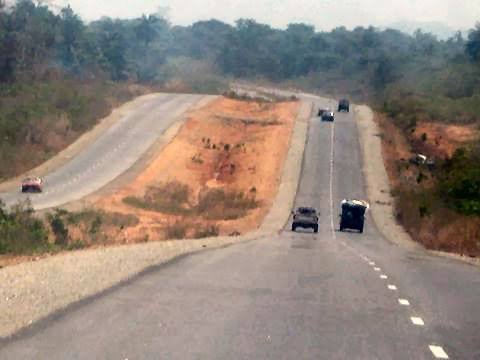
After years of terror, tears, and tension, relief is finally returning to commuters along the once dreaded Abuja–Kaduna highway. The 165-kilometre stretch of road that had become a symbol of Nigeria’s security crisis is now witnessing a remarkable turnaround—thanks to sustained military operations, intelligence-driven policing, and a renewed political will.
For nearly a decade, the road connecting Nigeria’s capital to its political north was associated with heart-wrenching headlines: kidnappings in broad daylight, gunmen ambushing travellers, and a silence so thick even security escorts treaded cautiously. But today, transporters, traders, and travellers are reclaiming the route with confidence—day and night.
“We Can Now Drive at Night Without Fear”
“I never thought I would say this again, but Abuja–Kaduna road is safe,” said Aliyu, a commercial bus driver who has plied the route for 15 years.
“Before, we used to say our last prayers before entering Rijana, Katari, Doka and many more. But now, I can drive even at midnight without fear.”
Aliyu’s confidence is echoed by other motorists who spoke to Access Post. Military presence remain, but it is the normal patrols and intelligence-led operations that have restored hope.
How Security Agencies Reclaimed the Road
A soldier who doesn’t want his name mentioned say the turning point came in late 2023 when the Nigerian Army, Police, DSS, and Civil Defence started a joint Operation along the highway on a mission to dismantle kidnapping camps in forests bordering Niger, Kaduna, and the FCT.
Drone surveillance, covert intelligence, and targeted raids reduced attacks drastically.
Reports had it that by mid-2024, incidents dropped by over 90%. So far in 2025, no major kidnapping has been reported.
“We didn’t just chase bandits away; we dismantled their network,” a military officer in Kaduna told Access Post. “We took away their supply routes, arrested their informants, and cleared the forests they used for cover.”
Commuters Returning with Confidence
Once-abandoned spots like the Rijana filling station are buzzing again. Roadside food vendors are back in Katari and Jere, and transport unions have resumed full night services.
“I used to fly just to avoid this road,” said Mrs. Laraba Musa, a civil servant in Abuja. “Now I drive with my children, even in the evening. It feels safe.”
Rights Groups: ‘Don’t Let This Be Temporary’
Despite the improvements, civic groups are urging government and security forces not to grow complacent.
“We must not let down our guard,” said Fatima Bello, a Kaduna-based security analyst. “The progress is real, but must be sustained through community engagement, regular patrols, and accountability.”
Government Reacts
Nigeria’s Minister of Interior, Hon. Tunji Ojo, in one interview with newsmen welcomed the development, saying:
“The safety of Abuja–Kaduna road is a testament to the President’s commitment to ending insecurity across Nigeria. We assure Nigerians that no inch of this country will be left at the mercy of criminals again.”
Kaduna State Governor, Senator Uba Sani, confirmed collaboration with the federal government to introduce emergency response systems and traveller call centres to support continued safety.
At glance
The Abuja–Kaduna road is more than just a highway; it is a vital link for commerce, family, and national unity. Its recovery from years of fear to newfound freedom is a story of resilience and reform — and a powerful reminder that with political will and tactical precision, even Nigeria’s darkest roads can find light again.