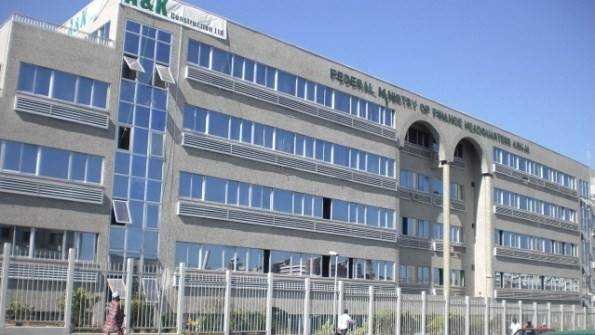
Nigeria’s total public debt stood at N159.28 trillion ($110.97 billion) as of December 2025, according to figures released by the Debt Management Office (DMO). The data highlights the scale of borrowing by the Federal Government, the 36 states, and the Federal Capital Territory (FCT).
Debt Composition
Domestic debt accounted for N84.85 trillion ($59.11 billion), representing 53.27 percent of the total. External debt stood at N74.43 trillion ($51.86 billion), making up 46.73 percent.
The Federal Government carried the bulk of the debt burden. It owed N80.49 trillion domestically and N66.27 trillion externally. States and the FCT collectively owed N4.36 trillion in domestic debt and N8.16 trillion in external debt.
Debt-to-GDP Outlook
According to International Monetary Fund (IMF) projections released in April, Nigeria’s debt-to-GDP ratio is expected to decline from 35.5 percent in 2025 to 32.3 percent in 2026. While this figure remains below the global threshold of 60 percent, analysts caution that debt servicing costs relative to revenue continue to pose serious challenges.
External Debt Breakdown
Nigeria’s external debt is divided into three major categories: multilateral loans, bilateral loans, and commercial borrowings.
– Multilateral loans: $23.19 billion, representing 45 percent of external debt.
– The World Bank is the largest single creditor, with $18.3 billion. Nigeria is the third-largest debtor to the International Development Association (IDA).
– The African Development Bank (AfDB) accounts for about $3.5 billion.
– Bilateral loans: $6.20 billion, or 12 percent of external debt.
– The Exim Bank of China is the dominant bilateral lender, with $4.91 billion, representing more than 80 percent of bilateral debt.
– Commercial debt: The remainder includes Eurobonds and other market instruments, though the DMO figures emphasize the weight of concessional loans from international institutions.
Domestic Debt Instruments
Domestic borrowing is primarily structured through securities issued by the Federal Government. These instruments are held by local banks, pension funds, and institutional investors.
– FGN Bonds: The largest component, accounting for about 80 percent of domestic debt. This category now includes securitised Ways and Means advances from the Central Bank of Nigeria.
– Treasury Bills: Short-term instruments used to manage liquidity.
– FGN Sukuk: Islamic bonds that finance infrastructure projects.
– Promissory Notes: Instruments used to settle arrears and obligations.
Implications
The figures underscore Nigeria’s reliance on borrowing to finance governance and development. While the debt-to-GDP ratio remains within acceptable international limits, the high cost of servicing debt relative to revenue continues to strain public finances.
Experts warn that the structure of Nigeria’s debt, particularly the balance between concessional multilateral loans and commercial borrowings, will determine sustainability. Heavy dependence on domestic bonds also raises concerns about crowding out private sector credit.
The dominance of the Federal Government in the debt profile highlights limited fiscal space for states and the FCT. However, the inclusion of subnational borrowing in the DMO’s figures reflects the broader challenge of managing debt across all tiers of government.
Nigeria’s public debt of N159.28 trillion illustrates both the scale of fiscal challenges and the importance of prudent management. With domestic borrowing forming the majority share and external loans heavily concentrated in multilateral institutions, the country faces a delicate balance between financing development and maintaining debt sustainability.
The IMF’s projection of a declining debt-to-GDP ratio offers some optimism, but the persistent burden of debt servicing costs remains a critical issue. Policymakers will need to strengthen revenue generation, improve fiscal discipline, and ensure that borrowed funds translate into tangible economic growth.