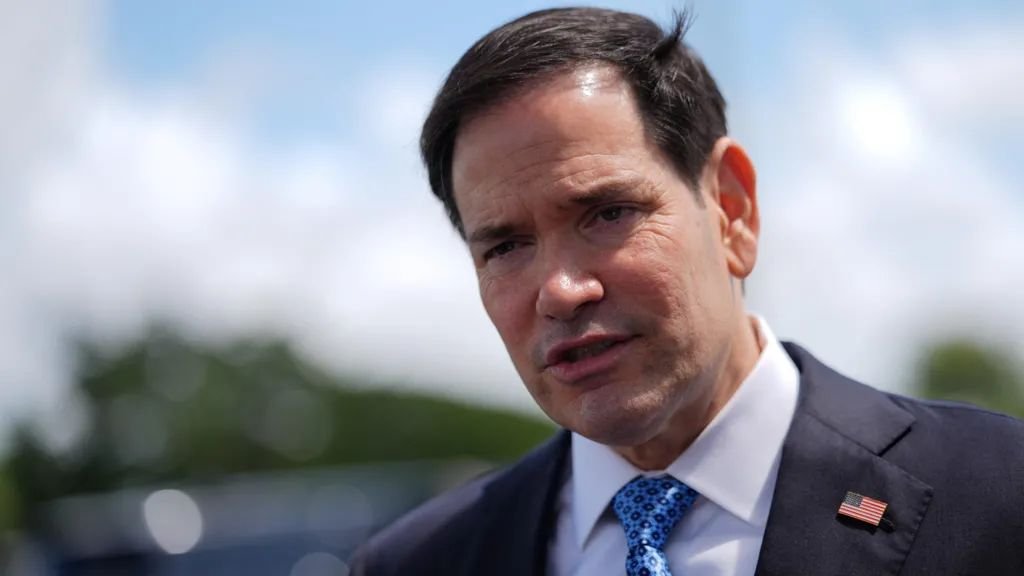
The diplomatic standoff between Washington and Havana has intensified following sharp remarks from U.S. Secretary of State Marco Rubio, who declared Cuba a “national security threat” and cast doubt on the prospects of a peaceful resolution. His comments came on the heels of a U.S. indictment against former Cuban president Raúl Castro over the 1996 downing of two civilian aircraft that killed American nationals.
Rubio told reporters that while diplomacy remained the preferred option, the likelihood of success was slim given Cuba’s current leadership. He accused Havana of sponsoring terrorism across Latin America, a claim Cuba’s Foreign Minister Bruno Rodríguez swiftly rejected as “lies.” Rodríguez countered that the United States was attempting to provoke military aggression and had systematically undermined Cuba’s sovereignty.
The dispute unfolds against a backdrop of worsening conditions on the island. Cuba is grappling with severe fuel shortages, prolonged blackouts, and food scarcity, problems exacerbated by U.S. sanctions that restrict oil imports. Rubio noted that Cuba had accepted a $100 million humanitarian aid package from Washington, though Rodríguez insisted the U.S. blockade was the root cause of the crisis.
The Trump administration has openly pursued regime change in Havana, demanding political and economic reforms. While specific conditions remain vague, U.S. officials have hinted at measures such as opening Cuba’s economy to foreign investment and curbing the influence of Russian and Chinese intelligence agencies on the island. President Trump described Cuba as a “failed country” but said his government was committed to helping Cuban citizens on humanitarian grounds. He added that Cuban-Americans were eager to return and contribute to rebuilding their homeland.
The indictment of Raúl Castro has drawn comparisons to Washington’s earlier move against Venezuelan President Nicolás Maduro. Acting Attorney General Todd Blanche, announcing the charges in Miami, said Castro would face trial in the U.S., “by his own will or another way.” Rubio declined to reveal how the U.S. intended to secure Castro’s presence in court, citing security concerns.
In a related development, Rubio announced the arrest of Adys Lastres Morera, sister of a senior Cuban military official. U.S. authorities allege she supported Havana’s communist regime while residing in Florida. Immigration enforcement detained her, and she now faces deportation proceedings.
The escalating rhetoric underscores the fragile state of U.S.–Cuba relations. Washington’s accusations of terrorism sponsorship and Havana’s denunciations of aggression highlight a widening gulf that leaves little room for compromise. With Cuba’s economic crisis deepening and U.S. pressure mounting, the confrontation signals a renewed era of hostility between the two nations, raising questions about the future of diplomacy in the region.